Home › Articles › Accessibility
Best cruise for wheelchair users UK 2026: top accessible ships
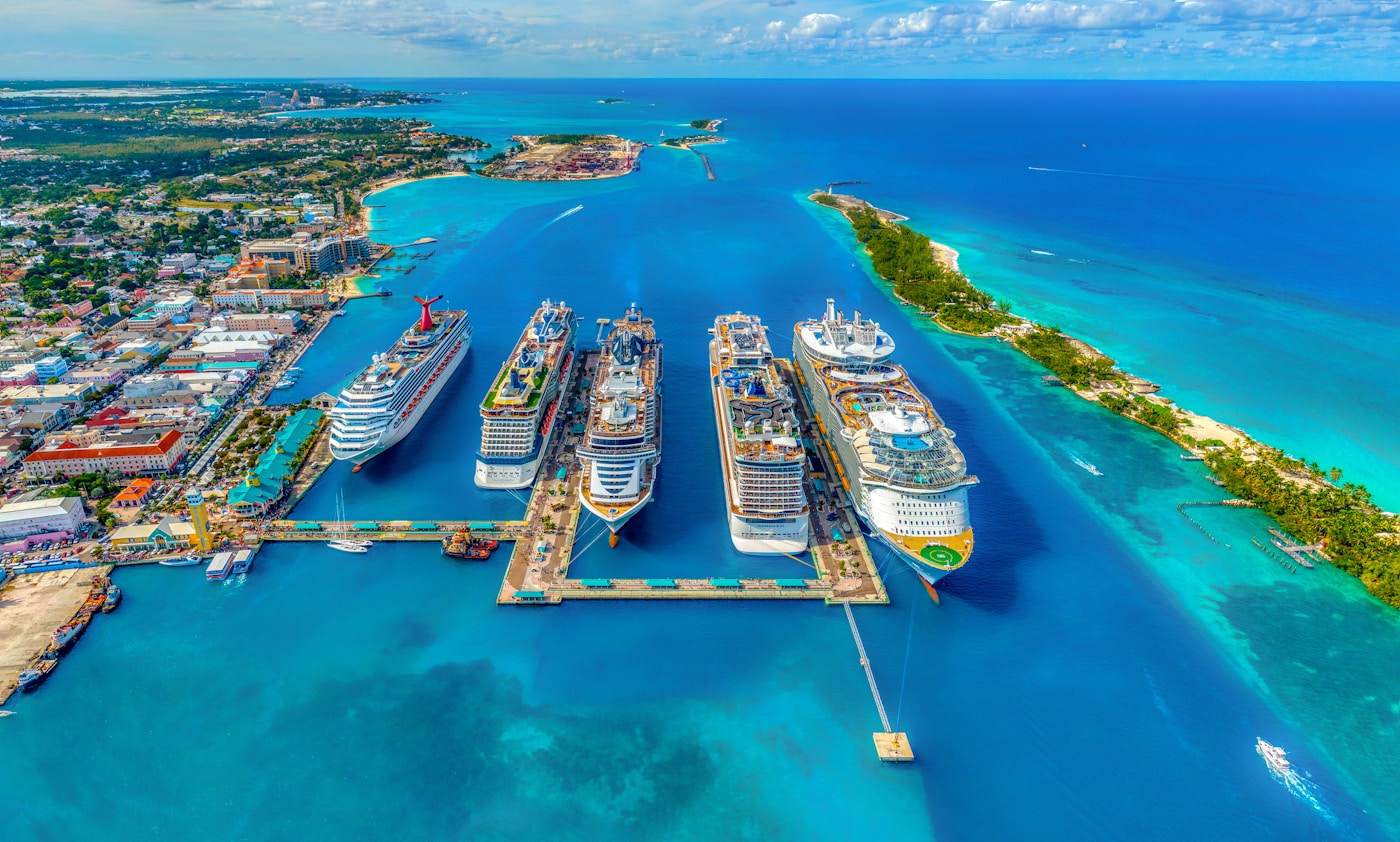
An in-depth 2026 guide to the best cruise for wheelchair users in the UK. Ship-by-ship comparisons, prices in £, accessibility features and practical, research-based tips.
For a related accessibility decision, see our Can wheelchair users go ashore at cruise tender ports (UK, 2026)? before finalising your plans.
If you’re searching for the best cruise for wheelchair users UK 2026, you’ve come to the right place. This guide walks you through the top accessible ships sailing from the UK in 2026, compares specific cabins and features, offers money-saving advice and gives practical tips to make your cruise calm, comfortable and memorable.
For port-specific planning, see the Southampton accessibility guide.
For the practical next step, see the UK accessibility planning.
For the practical next step, see the mobility and accessibility planning.
Why accessibility matters on a cruise (and what to expect in 2026)
Cruising is about relaxed travel, not daily logistics — but accessibility issues can quickly turn a holiday into hard work. In 2026 UK terminals and major cruise lines have improved accessible facilities, but standards still vary between ships and ports. Expect the following to be standard on reputable UK-facing cruises in 2026: accessible cabins with roll-in showers, lowered beds and grab rails; accessible public toilets; lifts serving most decks; ramped gangways or lift platforms for embarkation; and trained staff for assistance. However, the definition of “accessible” differs — some ships focus on mobility scooter storage, others on larger wheelchair turning circles. This section explains the typical offerings and the small differences that matter.
Key accessibility features to check
Before you book, confirm these features: wide cabin doorways (minimum 32 inches/81cm), roll-in showers with seat and handheld shower, lowered wardrobe rails, grab rails beside toilet and shower, adequate turning space (150cm turning circle is ideal), step-free routes to key public areas, accessible lift access to restaurants/theatre, tactile and audible signals for those with visual or hearing impairments, and clear communication about shore-side accessibility. Also ask about the ship’s policy for powered mobility devices, recharging and storage.
UK departures reduce travel stress: no long flights, familiar emergency care networks, and shorter transfers. Ports such as Southampton, Portsmouth and Liverpool have improved accessible parking and drop-off points in 2026, but always check the specific terminal. For example, Southampton’s Mayflower Terminal has dedicated Blue Badge drop-off lanes and ramped access, whereas some small regional ports may still require assistance from the ship’s shore team.
Top picks in 2026: best cruise ships for wheelchair users (UK routes)
Here are the standout ships for wheelchair users sailing UK routes in 2026, summarised with reasons they’re recommended.
Cunard — Queen Mary 2 (QM2)
Why it’s great: Queen Mary 2 remains the benchmark for space, traditional service and accessible public areas. QM2 has larger accessible staterooms and suites, wide promenades, and a well-trained crew used to dealing with varied passenger needs. In 2026 Cunard offers dedicated accessible staterooms on Britannia and Queens Grill decks; QM2’s accessible cabins start at around £1,200pp for a 7-night crossing (example: Southampton to New York repositioning-style fare in autumn 2026). QM2 is ideal if you prioritise generous living space and formal dining options with staff familiar with assisting guests.
P&O — Iona and Arvia
Why they’re great: P&O’s newer gas-powered ships Iona and Arvia were designed with modern accessibility in mind. They offer a wide range of accessible cabins (including accessible balconies), step-free routes to most public areas and accessible shore excursions. In 2026 P&O run multiple 7-night UK & Ireland sailings from around £550pp on special offers, and accessible cabins often have only a modest supplement (example: accessible balcony cabin from approximately £750pp for a 7-night 2026 cruise). Iona’s wide decks and plentiful lifts make it easy to get around with a wheelchair or scooter.
Marella — Explorer 2 and Discovery
Why it’s great: Marella (TUI-owned but UK-focused) offers a friendlier, simpler cruise experience with lower prices and practical accessible cabins. Marella Explorer 2 and Marella Discovery have accessible cabin options with roll-in showers and good onboard dining accessibility. In 2026 Marella’s 7-night UK & Ireland cruises can start from an estimated £400pp and accessible cabins usually come at a small premium. These ships are great value for travellers wanting a straightforward, relaxed holiday.
Fred. Olsen — Braemar (and Borealis on some sailings)
Why it’s great: Fred. Olsen Cruises focus on more traditional, smaller-ship itineraries which often call at smaller ports — useful if you want less crowded gangways. In 2026 Fred. Olsen advertises accessible cabins from somewhere around £700pp for 7-night sailings. Their team is experienced with personalised assistance, but check shore excursion accessibility carefully for smaller ports.
Decide on these priorities first: space (choose Cunard QM2), modern design and late-night facilities (choose P&O Iona/Arvia), or value and simple itineraries (choose Marella). Consider embarkation port (Southampton vs regional), cabin type (bigger is better), and whether you need electric scooter recharging. MyCruiseAdvisor comparisons help — see Accessible cabins explained and Best UK cruise ports 2026.
<table><thead><tr><th>Feature</th><th>Queen Mary 2 (Cunard) (estimate)</th><th>P&O Iona / Arvia (estimate)</th><th>Marella Explorer 2 (estimate)</th></tr></thead><tbody><tr><td>Accessible cabins (roll-in shower)</td><td>Yes (larger cabins)</td><td>Yes (many types incl. balcony)</td><td>Yes (selected cabins)</td></tr><tr><td>Wheelchair hire onboard</td><td>Limited, book in advance</td><td>Limited, book in advance</td><td>Limited, often via agent</td></tr><tr><td>Lift access to most public decks</td><td>Yes</td><td>Yes</td><td>Yes</td></tr><tr><td>Mobility scooter storage/charging</td><td>Yes (limited sockets)</td><td>Yes (advise 30 days)</td><td>Yes (space limited)</td></tr><tr><td>Typical 7-night fare (2026, from)</td><td>£1,199pp</td><td>£549pp (budget offers) / £749pp (accessible cabins)</td><td>£399pp</td></tr><tr><td>Best for</td><td>Space & service</td><td>Modern facilities & UK routes</td><td>Value & simplicity</td></tr></tbody></table>
Accessible cabin types explained (sizes, features and prices)
Accessible cabins differ in size and fittings. In 2026 the most common cabin types for wheelchair users across UK cruise lines are: accessible interior (no balcony), accessible window/porthole, accessible balcony and accessible suite. Sizes vary: interior accessible cabins on Marella may be usually 22–25m², P&O’s accessible balcony cabins about 27–35m² and Cunard’s larger accessible staterooms 35m²+. Prices reflect size and position — expect to pay an estimated additional £50–£300 per person for accessible cabins versus standard cabins on the same fare for the same sailing in 2026, depending on ship and itinerary.
What to ask when booking an accessible cabin
Be precise. Ask for: cabin number, deck, door width (in cm), bathroom dimensions, existence of fixed or portable shower seat, whether the toilet is raised, whether there is a visual alarm, whether the bed can be moved and height adjusted, whether wardrobe rails are lowered, storage space for mobility aids, and proximity to lifts and dining rooms. Get everything in writing via email and note the booking reference. If a travel agent quotes a price, confirm the accessible cabin supplement and any refundable deposit policy.
- P&O Iona 7-night UK & Ireland cruise in June 2026: Accessible balcony cabin from £749pp (including basic drinks package and gratuities on some offers). - Cunard Queen Mary 2 7-night transatlantic-style Southampton cruise (overnight stay in mid-Atlantic events) October 2026: Accessible stateroom from £1,199pp. - Marella Explorer 2 7-night UK coastal cruise August 2026: Accessible interior cabin from £399pp. Remember: these are starting fares — onboard spend, speciality dining and shore excursions add to the total. Always check for 2026 special offers and book early for best cabin choice.
Embarkation and disembarkation: how to make it stress-free in 2026
Embarkation can be the most stressful part of a cruise. In 2026 UK terminals have better facilities, but you should still plan ahead. Here’s a step-by-step to simplify the process.
- Contact your cruise line 30–60 days before sailing to reconfirm assistance and any special embarkation times. 2. Arrange Blue Badge or accessible parking at the port and allow an extra 45–60 minutes for drop-off. 3. Bring enough medical supplies and a small overnight bag with essentials — accessible cabins can be located at the back of the ship which delays luggage delivery. 4. Confirm gangway arrangements: ask whether the terminal will use a ramp, lift platform or coach transfer. 5. If using a scooter, confirm storage and battery recharging points in writing and that your battery is the correct type (many ships require non-spill lead-acid or lithium-ion with declaration). 6. Ask for priority safety briefing and muster assistance — many accessible guests are offered escorted muster in 2026.
Southampton and Portsmouth terminals generally offer the best facilities including covered drop-off zones and ramps. Liverpool and Newcastle are improving but can vary by terminal. Always print or keep digital copies of your cruise line’s accessibility form and medical declarations to present at the port. If you need assistance from the shore team, arrive early and request priority boarding; many lines will offer early or late embarkation windows for guests with limited mobility.
Practical note on mobility scooters and batteries
Most cruise lines in 2026 accept mobility scooters but require advance notice (often 30–60 days) and proof of battery type. Many require non-spill lead-acid or sealed lithium-ion batteries with manufacturer documentation. Batteries are usually removed and stored ashore or in a secure space onboard and scooters may be dismantled for storage — this can take time at embarkation/disembarkation. Always pack spare batteries or check with the cruise line about on-board charging options.
Shore excursions: choosing accessible trips (2026)
Shore excursions are where holiday memories are made, but accessibility varies wildly by destination and tour operator. In 2026 most major cruise lines offer accessible shore tours in key ports (e.g., Belfast, Dublin, Reykjavik, Bergen). These tours often have wheelchair-accessible transport, trained guides and suitable rest points.
- Book through the cruise line for guaranteed assistance and return-to-ship timing. - Check the grade of the tour; avoid tours with long walks on cobbles or steep inclines. - Ask for vehicle access points and step-free boarding. - Confirm toilet availability and rest stops. - Consider private accessible taxis or local companies if cruise excursions are limited; they can be cheaper and more flexible.
Accessible shore excursions in 2026 typically cost £25–£100 per person, depending on port and length. For example, Cunard’s accessible guided city tour of Liverpool in July 2026 might be £35pp with door-to-door coach access; P&O’s accessible Giant’s Causeway excursion from Belfast is usually around £45pp. Private accessible taxis can start at £60–£100 depending on distance.
Booking tips for excursions
Book accessible excursions as soon as your booking window opens — they sell out quickly. If you need a ramp-equipped coach or wheelchair space, insist on written confirmation. Check the return cut-off time: ports can change berthing times, and independent contractors may not account for late docking.
Dining and restaurants: accessible options and etiquette
Cruise ships are improving dining accessibility, but there are still issues around steps into speciality restaurants and buffet layout. In 2026 most mainstream dining rooms are level-access and staff will accommodate seating requests.
- Reserve speciality restaurants and request step-free seating. - Use assisted service at buffets — crew will often plate food if you can’t access the buffet. - If you have swallowing or dietary needs, submit medical/dietary forms in advance and again at check-in. - Bring a collapsible lightweight tray if you need to move food independently between food points and seating.
Medical needs, oxygen and medication on cruises in 2026
If you require oxygen or have a complex medical condition, plan ahead. In 2026 UK cruise lines generally allow medically prescribed oxygen but require documentation and often charge a handling fee. Portable oxygen concentrators (POCs) are broadly accepted if they meet airline-style power and battery rules — but the ship must be notified.
- Get a doctor’s letter detailing diagnosis, medication, oxygen needs and device specifications. 2. Contact the cruise line’s medical team at least 45–60 days before sailing. 3. Confirm what is provided onboard (e.g., oxygen refills, medical centre capabilities) and any costs. 4. Ensure you have enough medication for the entire cruise plus 48 hours. 5. Consider travel insurance that specifically covers pre-existing conditions and cruise medical assistance.
Onboard medical consultations can cost from £60–£200 in 2026 and oxygen may be billed per day. Travel insurance for pre-existing conditions can add £30–£200 to the policy depending on cover. Compare policies carefully and consider a specialist cruise insurance broker if you need substantial cover.
Money-saving strategies for wheelchair users booking 2026 cruises
Accessible travel often costs more — but there are ways to save without compromising accessibility.
- Book early: accessible cabins are limited and often cheaper if booked when fares first appear. - Travel off-peak: sailings in late spring or autumn 2026 often have lower fares. - Use UK-based offers and promotions: lines like P&O, Cunard and Marella run targeted UK deals, especially for residents. - Consider repositioning cruises: sometimes longer repositioning itineraries have excellent per-night value. - Book inclusive packages: some P&O offers in 2026 include drinks or dining and can save money overall. - Use MyCruiseAdvisor voucher and deal pages Cruise deals for updated offers.
If a P&O accessible balcony cabin is £749pp in June 2026 and Cunard’s QM2 accessible stateroom is £1,199pp for comparable dates, you may save £450pp by choosing P&O. Add a drinks package on P&O for £199pp on offer and you may still be ahead if you value informal dining and onboard entertainment.
Should you use a travel agent or book direct?
Travel agents specialising in accessible cruises can be invaluable — they liaise with cruise lines, secure written confirmations and often hold back accessible cabins. Booking direct might get you the lowest advertised rate, but agents can negotiate cabin allocations and onboard credits.
Packing and cabin prep: what to bring for comfort and independence
Packing for a cruise when you use a wheelchair requires thought.
- Lightweight foldable ramp or bridge plate (if you expect curbs at some ports). - Non-slip shower mat and suction-cup grab bars (check cruise policy first). - Long charging cables and multi-plug extension for scooter/POC charging (confirm ship rules in writing). - Spare batteries for POC, mobility scooter user manual and proof of battery type. - Lightweight, wheeled carry bag for excursions. - Waterproof poncho and compact umbrella for UK weather. - Small first-aid kit, extra medications and copies of prescriptions.
Request double wardrobe rails where possible or ask cabin stewards to lower rails. Use over-door organisers for toiletries and pack a small folding stool for ferrying items in the cabin. If privacy or medical procedures are needed, request an extra bed sheet or screen from housekeeping.
Tech and communication aids to bring in 2026
Bring a smartphone with a UK SIM for data and local calls, plus messaging apps to communicate with shore contacts. Consider a compact Bluetooth speaker in case you prefer audible alarms, and a visual alarm device if you have hearing impairment — check with the ship’s medical team first about permitted devices.
Onboard mobility: getting around the ship comfortably
Large ships can be daunting. Plan routes and rest stops to prevent fatigue.
- Map your route: when boarding, walk with staff to your cabin and ask them to point out the nearest lifts, toilets and main dining room. 2. Use lower-deck public areas during peak times to avoid crowds. 3. Identify quiet lounges for rest and pick dining times off-peak. 4. If you use a scooter, plan time for recharging and never leave batteries unattended. 5. Join accessible-guest meetups or crew-hosted tours — they can provide shortcuts and helpful tips.
Cruise lines in 2026 provide accessible seating in theatres and priority access for those with mobility needs. Arrive early to secure level access seating; if you require a carer or companion, make sure they are included in your dining and entertainment reservations to sit together.
Security and safety briefings
All guests must attend the safety briefing, but many lines now offer escorted muster or cabin-based briefings for guests who cannot climb to mustering areas.
Accessibility for sensory impairments (hearing & sight)
Not all accessibility is mobility-based. Many UK cruise lines now offer visual aids, hearing loops and captioning on public screens in 2026.
If you have hearing or vision needs, request specifics when booking: hearing loop or amplification in theatre, visual alarm systems, large-print menus and braille signage where available. Some lines offer tactile maps or staff assistance for independent exploration of the ship.
Device support onboard
Ask about onboard Wi‑Fi pricing in 2026 and whether captioning services extend to streamed shows. If you use a hearing aid with Bluetooth, check if the ship’s entertainment system supports direct streaming — this varies.
Family travel and carers: bringing a companion or hiring help
If you rely on a carer, it’s usually best to bring them as your travel companion. Some cruise lines require carers to pay full fare unless a medical letter states that the carer’s presence is necessary for basic needs.
Bringing your own carer ensures continuity of care and the ability to manage personal routines. Hiring help onboard (where offered) can be expensive — expect daily charges or package fees in 2026. If your needs are moderate, consider arranging a professional carer for daytime shore excursions only.
- Ensure their passport and visas are in order. 2. Confirm the cruise line’s single-supplement policy if you need two beds. 3. Check whether the line offers a complimentary carer policy (rare). 4. Pre-book adjacent or interconnecting cabins if extra space is needed.
Common accessibility pitfalls and how to avoid them
- Pitfall: Promised cabin features not present on arrival. Fix: Get cabin number and exact features in writing. - Pitfall: Mobility scooter not available after embarkation. Fix: Bring essential items in your carry-on and confirm storage procedures before you sail. - Pitfall: Shore excursion inaccessible. Fix: Ask for a detailed itinerary and elevation/walking grade in writing. - Pitfall: Electrical recharge points insufficient. Fix: Confirm battery charging policy 30–60 days prior and ask for assigned sockets if necessary.
How to complain and get things fixed quickly (2026)
If accessibility promises aren’t met, address the issue promptly and document everything.
- Speak to Guest Services and ask for a written record of the complaint. 2. If unresolved, escalate to the Purser or Senior Hotel Manager; request an estimated resolution time. 3. Take photographs and keep copies of correspondence. 4. If the issue persists, note it on the official post-cruise feedback form and consider contacting the UK Civil Aviation/Transport Ombudsman equivalent for port or terminal issues — for cruise-specific issues, consumer bodies like Citizens Advice or ABTA (if the booking agent is ABTA-bonded) can help post-cruise. 5. For urgent medical/health issues, visit the ship’s medical centre and get an official note.
Compensation varies. Small inconveniences may merit onboard credits (often £25–£100), while major failures (e.g., inaccessible cabin unavailable despite booking) could lead to full or partial refunds. Keep receipts and correspondence to support your case.
What MyCruiseAdvisor recommends (2026) — our top three accessible cruise picks
After testing routes and speaking with accessibility teams across UK cruise lines in 2026, MyCruiseAdvisor recommends these three options as the best overall choices for wheelchair users:
1. Cunard Queen Mary 2 — best for space and service
Why choose it: larger accessible cabins, polished crew assistance, and top-tier dining. Typical 7-night fare from roughly £1,200pp in 2026. Best for travellers who prioritise living space and formal service.
2. P&O Iona — best for modern design and UK sailing frequency
Why choose it: excellent modern accessible cabins (including balconies), frequent UK departures and better value fares from approximately £550pp in 2026 (accessible cabins slightly higher). Best for those wanting modern facilities and informal dining.
3. Marella Explorer 2 — best value and approachable service
Why choose it: budget-friendly accessible options from an estimated £400pp in 2026, comfortable cabins and friendly crew. Best for value-conscious cruisers who still want reliable accessibility.
For more detail about cabin measurements and how to choose the right ship, read our guides Accessible cabins explained and How to book an accessible cruise. For updated deals check Cruise deals 2026.
{"question":"How far in advance should I book an accessible cabin?","answer":"Book as soon as possible — ideally at least 6–12 months ahead for popular sailings in 2026. Accessible cabins are limited and sell out quickly, especially on popular ships like P&O Iona and Cunard QM2."}
{"question":"Can I take a mobility scooter on a UK cruise in 2026?","answer":"Generally yes, but you must notify the cruise line 30–60 days in advance and provide battery documentation. Expect the battery to be stored separately and the scooter possibly dismantled for storage; plan for a delay in availability at embarkation."}
{"question":"Are accessible shore excursions more expensive?","answer":"Accessible excursions can be slightly pricier due to specialised transport and guides, typically £25–£100 per person in 2026. Booking through the cruise line often guarantees return-to-ship timing and ensures wheelchair-compatible transport."}
{"question":"Do UK terminals provide accessible parking?","answer":"Major UK terminals like Southampton and Portsmouth provide Blue Badge parking and accessible drop-off zones in 2026, but regional terminals vary — check each port’s website and the cruise line’s embarkation instructions."}
{"question":"Will the ship’s medical centre cover my needs?","answer":"Ship medical centres can provide urgent care and may supply oxygen or basic prescription refills, but they aren’t a substitute for full hospital care. Always travel with sufficient medication and confirm medical capabilities with the cruise line before sailing."}
{"question":"How much should I budget for extras onboard?","answer":"Budget for drinks, speciality dining, gratuities and excursions. A conservative extra budget is in the region of £25–£50 per day per person; if you expect many paid excursions or need medical supplies, budget higher."}
{"question":"What should I do if my accessible cabin is not available on arrival?","answer":"Immediately report it to Guest Services, get written confirmation of the issue, request alternative arrangements and, if unresolved, escalate to senior staff. Document everything and ask for compensation or cabin upgrade if appropriate."}
Before you book: essential questions to ask the cruise line (2026)
Always prepare a set of questions to email or ask your agent. Include: cabin door width, bathroom dimensions, presence of grab rails and shower seat, availability of wheelchair hire onboard, scooter storage and battery policies, embarkation assistance, and accessible shore excursion offerings. Ask for written confirmations and save email trails.
Use this short email template: "Please confirm cabin number and the following dimensions/features: doorway width, bathroom size, roll-in shower availability, grab rails, lowered wardrobe, proximity to lifts and gangway. Confirm scooter battery policy and any charges for oxygen or special medical handling. Booking ref: [your ref]." Save the reply and attach it to your booking for reference.
If you need more help: UK resources and organisations (2026)
Useful UK organisations for wheelchair users considering cruises in 2026 include: - RNIB (for visual impairment support) - RNID (for hearing concerns) - Disabled Motoring UK (for Blue Badge and accessible travel advice) - MyCruiseAdvisor accessibility pages Accessible cruises - Citizens Advice for post-cruise complaints. These organisations can help with accessible travel planning and rights information.
Charities and independent advice
If you require advocacy when dealing with a cruise line, charities and specialist travel advisors can provide independent assessments. They can also help with completing medical forms and sourcing suitable travel insurance.
Final checklist for stress-free sailing in 2026
Here’s a compact actionable checklist you can print or save before your next accessible cruise in 2026.
- Book accessible cabin early and get cabin number in writing. - Confirm scooter and battery requirements 30–60 days ahead. - Arrange travel insurance covering pre-existing conditions. - Pack an overnight bag with meds and essentials. - Confirm embarkation assistance and Blue Badge parking at the port. - Book accessible shore excursions or private accessible transfers. - Bring documentation: prescriptions, doctor’s letter, and device manuals. - Note guest services contact and ship medical centre phone number.
Choosing the best cruise for wheelchair users UK 2026 is about matching your needs to the right ship and route. Cunard’s Queen Mary 2 suits anyone who values space and classic service; P&O Iona and Arvia balance modern facilities with good value; Marella offers excellent low-cost options. If you need personalised help, speak with a specialist agent or the cruise line’s accessibility team — they can make a big difference to how smoothly your holiday runs.
Mobility planning is part of choosing the right ship, so compare it with our cruise with a mobility scooter guide.
Frequently Asked Questions
How far in advance should I request wheelchair or scooter assistance for a UK cruise in 2026?
Request mobility device assistance as early as possible — ideally 45–60 days before your sailing. Many cruise lines require 30–60 days notice for scooters and batteries, and popular accessible excursions sell out quickly. Early notification ensures space for storage, correct documentation and time for the cruise line to arrange recharging or special equipment.
Are accessible cabins much more expensive in 2026?
Accessible cabins often carry a small premium, typically between £50–£300 per person depending on ship and cabin type. In 2026 you can still find good deals — e.g., Marella accessible cabins from around £400pp, P&O accessible cabins from about £750pp and Cunard from roughly £1,200pp for comparable sailings. Book early and watch MyCruiseAdvisor deal pages for discounts.
Will the crew help with transfers and lifts onboard?
Yes, crew will assist with transfers and moving passengers when trained to do so, but they are not permitted to perform clinical care unless medically qualified. For physical transfers (e.g., hoisting), confirm the ship’s capabilities and whether trained staff are available; some lines require passengers to arrange for a trained carer to accompany them.
Can I get a refund or compensation if accessibility requirements are not met?
If the cruise line fails to provide a confirmed accessible cabin or promised services, you should report it immediately, get it in writing and escalate. Compensation varies but can include onboard credits, cabin upgrades, or partial refunds. Keep documentation and receipts for any out-of-pocket expenses incurred due to the issue.
Are UK ports accessible for wheelchair users in 2026?
Major UK ports like Southampton, Portsmouth and Liverpool generally offer improved accessibility in 2026, including Blue Badge parking, dedicated drop-off points and ramped access at terminals. However, accessibility can still vary by terminal and local authority — always check port-specific guidance and the cruise line’s embarkation advice.
Do I need special travel insurance if I use oxygen or have pre-existing conditions?
Yes. If you use oxygen, have recent hospital treatment, or require specialist medical care, you must disclose this to the insurer and secure cover tailored for pre-existing conditions. Policies vary in price and scope; budget extra for comprehensive cruise insurance that covers medical repatriation and ongoing care needs.