Home › Articles › Family & Accessibility
Cruise With Autism UK Guide 2026: Practical Planning
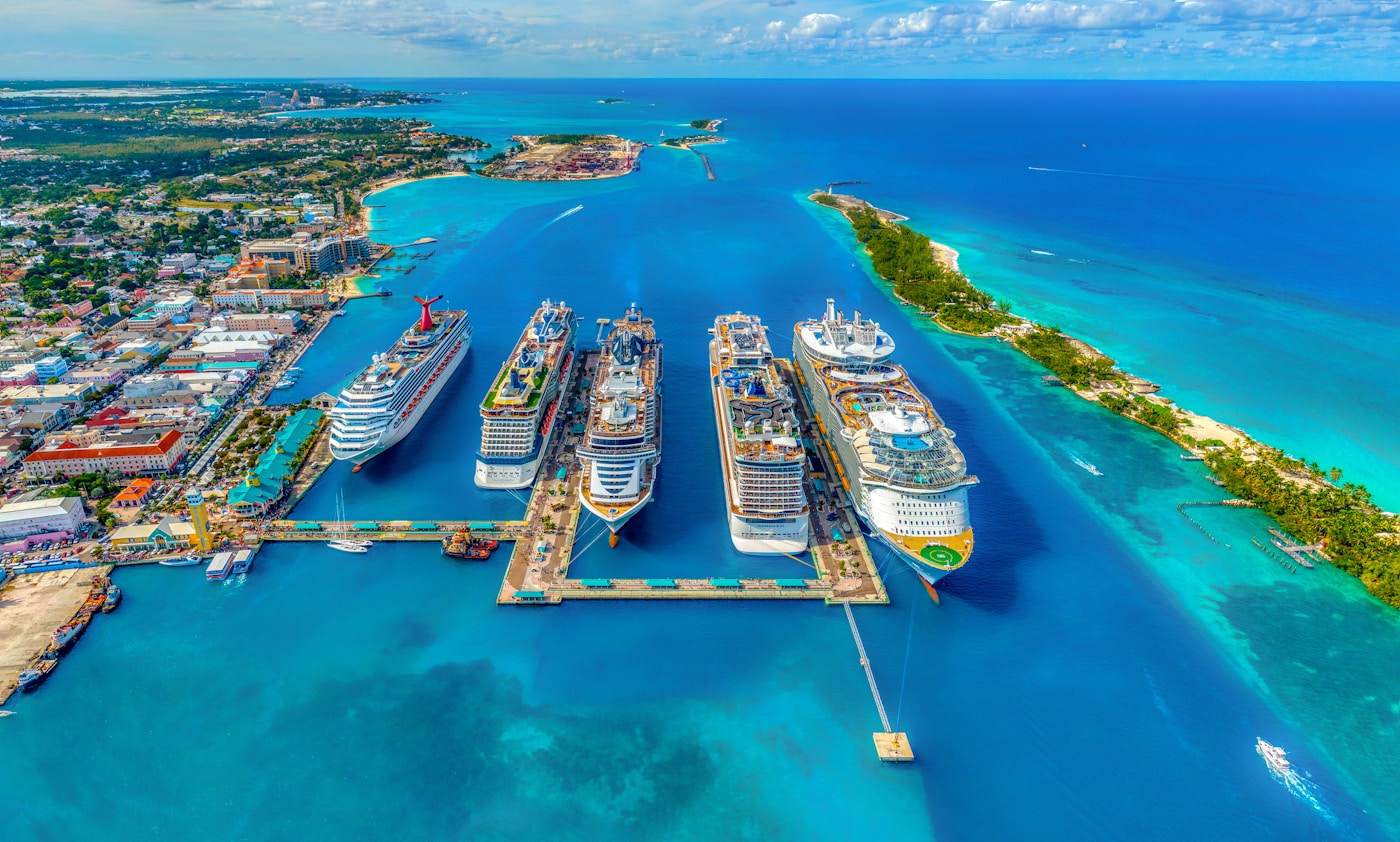
Planning a cruise with an autistic traveller from the UK in 2026? This guide explains what to ask cruise lines, how to prepare for sensory stress points, what Southampton offers, and how Royal Caribbean, P&O, MSC and Disney describe their support. It separates confirmed policies from editorial advice so you can get written assurances before you book.
This Cruise With Autism UK Guide 2026 is designed for UK families and adults who want the predictability of a ship-based holiday without assuming the ship can offer one‑to‑one care or a sensory‑quiet environment. In 2026, the safest approach is to treat autism support as a pre‑booking accessibility conversation, not an onboard surprise. Start with your exact ship, itinerary and departure port (for many, that’s Southampton) and tell the cruise line or your travel agent the functional needs you have—sensory triggers, communication, safety, dietary, toileting, supervision and emergency support. Ask for written confirmation of any arrangements and check again shortly before you travel. This guide explains how to do that, which requests are realistic, and how major operators describe their current approach.
How to use this 2026 UK guide
This article separates objective operator statements from editorial planning advice and traveller‑dependent preferences. Where we cite confirmed policies, we say so and link to the operator’s official page for you to verify before booking. Everything else is practical planning—routines, packing, cabin choices—so you can tailor the trip to the person travelling. For deeper dives on specific topics, see our focused pieces, for example sensory needs on cruises, accessibility requests and documentation, and Southampton cruise terminal accessibility.
Start with needs, not labels
Cruise teams respond best to functional information they can act on. A diagnosis tells them very little about what to do. Write a concise, actionable profile that covers: the traveller’s sensory triggers and supports (sound, light, crowds, smells), communication method and any processing delays, predictability/visual supports required, toileting and medication needs, supervision level (including elopement risk), and what to consider in an emergency or drill. Share this at the enquiry stage, not after booking. Ask that notes are added to the booking file and request written confirmation of any specific arrangements, such as seating preferences, arrival timing guidance, or youth‑club participation conditions. Treat anything verbal as a request until confirmed in writing by the operator.
- 12–16 weeks out: Shortlist ships and itineraries that fit the traveller’s tolerance for crowds, noise and routine changes. If sailing from Southampton, note that terminal allocation can change—plan to verify closer to departure. 2) 12–14 weeks out: Email or call the cruise line’s accessibility team with your functional profile. Ask for the correct form and the exact deadlines (sign‑language requests can require 60 days’ notice with some lines). 3) 10–12 weeks out: If multiple ships suit, compare youth‑club expectations (independence and toilet training are common requirements) and dining formats (fixed‑time vs flexible). 4) 8–10 weeks out: Submit all accessibility forms and upload them to the booking. Keep copies. 5) 6–8 weeks out: Build a visual itinerary/social story and practise with noise‑reduction gear for drills and theatres. 6) 4–6 weeks out: Reconfirm requests in writing; ask about embarkation timing to avoid the busiest window if appropriate. 7) 2–3 weeks out: For P&O guests, complete the on‑board needs questionnaire before the two‑week deadline. 8) 1 week out: Verify Southampton terminal, assigned arrival time and parking/drop‑off plan. 9) Day of travel: Bring documents (booking confirmations, accessibility emails, medication list/packaging) in hand luggage and allow extra buffer for security and queues.
Southampton and UK ports: what to expect in 2026
If you’re departing Southampton, the city’s official cruise FAQ reports step‑free access, accessible toilets, designated seating, hearing loops and close drop‑off zones at terminals, and it recommends contacting your operator at least 48 hours in advance for assistance. It also warns that terminal allocation can change and arrival slots are often assigned, so verify your terminal and time shortly before sailing and again the day before you travel. These are terminal facilities, not cruise‑line promises of autism‑specific accommodations or quiet rooms. Similar principles apply at other UK ports: check the port authority information but rely on the cruise line for shipboard arrangements. For an overview of Southampton access points and practicalities, see .
Operator policies at‑a‑glance (2026)
The following points are drawn from cruise‑line pages current in 2026. Always recheck the operator’s official UK or global site for your exact sailing and ask for written confirmation.
- Royal Caribbean (UK site): advertises an autism‑friendly initiative fleetwide. It references priority check‑in/boarding/departure, special dietary accommodations, flexible Adventure Ocean grouping by ability, a toilet‑training exception, and parent pagers/phones subject to availability. It mentions autism‑friendly films, toy lending and a cruising social story; some features are conditional (for example, certain ships or sailings with an autism group/at least five autistic guests). It asks guests to notify it at booking; it cites 30 days for special‑needs equipment/services, 60 days for sign‑language interpreting, and 72 hours for groups of 10+ passengers with disabilities. Late requests may not be guaranteed. Youth programmes are not one‑to‑one care.
- P&O Cruises: asks guests to disclose any disability/health condition requiring assistance at booking, and to complete the on‑board needs questionnaire in My P&O Cruises as soon as possible and no later than two weeks before sailing. The accessibility page notes a doctor and small medical team on board (not resort‑level facilities) and encourages guests to consider care and emergency needs. It does not publish autism‑specific facility lists—obtain sailing‑specific answers in writing.
- MSC Cruises: asks guests to submit the Accessibility & Medical Request Form at booking or at least 30 days before sailing (service dogs 60 days). For cognitive/behavioural/mental‑health conditions it highlights noise, crowds and bright lights on ships, recommends a support companion, and says staff cannot provide daily personal assistance; the medical team handles emergencies. It says autistic children may use the Mini Club when toilet‑trained and independent.
- Disney Cruise Line: advises that the first two hours of embarkation are typically the busiest and a later arrival can be less impactful. All guests must participate in the mandatory assembly drill. It offers a printable cruise‑preparation activity booklet, a relaxed Family Movie Fun Time (lights on/lower volume), and invites discussions about seating/assistance. Contact Special Services at least 60 days before sailing for concerns about the drill, theatre/dining or other needs. Youth clubs require toilet training and independent participation, with no one‑to‑one counsellor care.
<table><thead><tr><th>Feature to check</th><th>Royal Caribbean</th><th>P&O Cruises</th><th>MSC Cruises</th><th>Disney Cruise Line</th></tr></thead><tbody><tr><td>Published autism initiative/info</td><td>Yes; autism-friendly ships page</td><td>No autism-specific list; general accessibility</td><td>Accessibility & Medical page; cognitive guidance</td><td>Info for Guests with Autism page</td></tr><tr><td>Booking notice windows (examples)</td><td>30 days (equipment/services); 60 days (interpreters); 72h (groups 10+)</td><td>On-board needs questionnaire due ≤ 2 weeks pre-sailing</td><td>Submit form at booking or ≥ 30 days; service dogs 60 days</td><td>Contact Special Services ≥ 60 days</td></tr><tr><td>Youth programmes</td><td>Flexible grouping by ability; toilet-training exception noted</td><td>Not specified publicly; confirm in writing</td><td>Mini Club: toilet-trained and independent</td><td>Independent and toilet-trained; no 1:1 care</td></tr><tr><td>Priority/less-busy embarkation</td><td>Priority check-in/boarding referenced; confirm per sailing</td><td>Request via needs questionnaire; not guaranteed</td><td>Request via form; subject to availability</td><td>Suggests later arrival may be less busy; confirm</td></tr><tr><td>Autism-friendly films/relaxed cinema</td><td>Autism-friendly films on some ships/sailings</td><td>Not published; ask directly</td><td>Not published; ask directly</td><td>Family Movie Fun Time (relaxed)</td></tr><tr><td>One-to-one personal care</td><td>No; not provided</td><td>No; medical team is for emergencies</td><td>No; daily personal assistance not provided</td><td>No; counsellors don’t provide 1:1 care</td></tr></tbody></table>
Choosing ship size and itinerary (editorial guidance)
There is no single “best” ship for autism: fit depends on the person. Larger ships can offer more venues (and sometimes more secluded corners at off‑times), but they concentrate people during peak moments—security, muster, shows and lifts. Smaller ships can feel calmer overall but may have fewer alternative spaces during a busy showtime. UK round‑trips that avoid flights reduce transitions; shorter sailings or itineraries with several port days can break up consecutive high‑stimulation sea days. For first‑timers, consider a 5–7‑night itinerary from Southampton or another UK port so you can disembark at the same place you started, with familiar travel home.
- Security and embarkation queues: noise, bag checks, unfamiliar instructions.
- Mandatory muster/assembly drill: crowds, alarms, high‑contrast safety videos.
- Lifts at peak times: confined space, stop‑start motion, crowds.
- Dining rooms at early/prime sittings: clatter, proximity to other tables.
- Theatre and deck parties: volume, strobes/lighting changes.
- Shore‑excursion queues and gangways: narrow spaces, jostling, new rules.
- Disembarkation: announcements, crowds, luggage areas.
- Cabins near venues/lifts: intermittent noise, footfall.
For deeper preparation ideas, see .
Cabin location and layout: balancing calm and practicality
Editorial considerations: mid‑ship, lower‑deck cabins often move less, which can help vestibular sensitivity, while cabins far from high‑traffic venues reduce corridor noise. If elevator crowds are a trigger, a cabin near lifts minimises corridor walking but can add lift noise; farther away can be quieter but a longer walk. Balconies offer fresh air and a retreat without leaving the cabin; inside cabins can be darker and cocooning but may feel enclosed for some. Accessible cabins and interconnecting rooms are limited and book early; do not assume availability—ask for confirmation on your exact sailing. Bring nightlights, blackout aids or white‑noise options that comply with safety rules (non‑heating, battery‑powered).
Dining strategies that ease decision fatigue
If routine helps, fixed‑time dining can anchor the day; if flexibility is better, ask whether you can be seated in a corner or at quieter times. Share dietary requirements with the line in advance and reconfirm with the headwaiter on day one; lines often accommodate common dietary needs, but verify in writing ahead of time. Consider room service or buffet at off‑peak times on peak‑noise days. Identify a fallback snack spot. If cutlery clatter is a trigger, seat away from service stations. Requesting the same wait team nightly may increase predictability—treat this as a preference request, not a guarantee.
Youth clubs and supervision: reality check for 2026
Public pages for multiple operators make clear that youth teams do not provide one‑to‑one personal care and typically require independent participation and toilet training. Royal Caribbean references flexible grouping and a toilet‑training exception, subject to its own terms; MSC says its Mini Club is for children who are toilet‑trained and independent; Disney states youth clubs require independent, toilet‑trained participation with no counsellor‑assisted medical attention; P&O asks guests to set out their needs via its questionnaire and does not publish autism‑specific provisions on its impairment pages. For all lines, verify toilet‑break protocols, pick‑up permissions, parent notification (e.g., pagers/phones where available), and any quiet‑time options—then get the answers in writing for your sailing.
Muster drill and alarms: prepare, request, practise
Every guest must complete the mandatory assembly drill. Some lines may discuss options for arrival timing or location to reduce overwhelm—ask well in advance and record any agreement in writing. Prepare with a social story and practise wearing ear defenders or noise‑cancelling headphones. On board, keep them handy near announcement times. Identify the nearest exit and agree a calm route back to the cabin after the drill. If the traveller is startled by strobes or sirens, explain beforehand that alarms and crew instructions are important safety signals everyone must follow.
Shore days: when to go, and when to stay aboard
There is no rule saying you must disembark at every port. On very busy port calls, a quieter plan can be to remain on the ship during the morning rush and explore decks when many guests are ashore. If you do go ashore, consider ship‑run excursions with clear timings if predictability beats spontaneity, or self‑guided strolls for control over pace and exits. Bring a card explaining communication needs in the local language if helpful. Always carry ship ID, port agent details, medication, hydration and a simple exit plan. Reboard buffers 60–90 minutes before all‑aboard reduce stress.
- Noise control: ear defenders or noise‑cancelling headphones (practised at home). 2) Visual supports: printed social story, visual schedule, simple cue cards. 3) Comfort kit: fidgets, favourite textures, small toys, non‑perishable familiar snacks permitted by the line. 4) Sleep tools: eye mask, small nightlight, white‑noise app/device that’s battery‑powered. 5) Clothing: layers for sudden temperature shifts; soft tags/seams. 6) Dining: silicone straw/utensils if texture helps (check policy). 7) Admin: booking confirmations, written accessibility responses, insurance, emergency contacts. 8) Medication: in original, clearly labelled packaging in hand luggage, plus a medication list and any clinician letter that the line advises. 9) Identification: passports, any travel authorisations, and the ship card lanyard if tolerated. 10) Contingencies: spare sensory items, spare clothes in a daypack, and resealable bags.
Money‑saving ideas that don’t add stress
- Sail from a UK port to avoid flights, airport sensory load and luggage fees; Southampton, for example, has step‑free access and close drop‑off zones at its terminals. - Consider shorter round‑trips in shoulder periods if school, work and routines allow; crowd density and pricing often change by season, but always check school attendance rules and any work constraints first. - Inside cabins can cost less and be darker for sleep; if daylight helps regulation, compare with an oceanview rather than jumping to a balcony. - DIY port days (park walks, playgrounds, quiet cafés) can be lower‑cost than organised tours; build your own low‑stimulation plan. - Pre‑book what you know you’ll use (e.g., specialty dining on a calm sea day) and skip bundles you’ll likely avoid. - Comprehensive travel insurance can protect non‑refundable costs—choose a policy that covers pre‑existing conditions and necessary assistance, and read the policy carefully before purchase.
Getting to the port and arrival timing
For Southampton, verify your terminal and assigned arrival time close to departure, because allocations and slots can change. If the first two hours of embarkation are often busiest (as Disney notes for its ports), consider asking your line whether a later arrival is acceptable for your sailing; only rely on timing guidance you have in writing. If you need assistance between the car park and the terminal, ask your operator at least 48 hours ahead. If travelling by rail, plan buffer time for delays; if driving, pre‑book parking where possible and confirm the exact drop‑off location for your terminal.
Working with a UK travel agent
A knowledgeable UK cruise specialist can triage ships and itineraries based on your needs, escalate accessibility requests, and keep track of forms and deadlines. If booking a fly‑cruise or package, check ATOL/ABTA protections and who is responsible for any special‑assistance arrangements outside the ship (airports, transfers, hotels). Ask your agent to copy you into the cruise line’s written replies so you hold confirmation of any agreed arrangements. If the agent uses their own wording, request the operator’s formal confirmation as well.
Documentation and medication in 2026
UK government guidance for disabled travellers recommends clearly stating your needs, confirming bookings in writing, and carrying a short “travelling letter” that explains the impairment and assistance that might help, alongside medication documentation. Cruise lines do not universally require a diagnosis letter for every request—ask what their form needs. Carry only what is necessary and protect personal data. Keep medication in labelled packaging in your hand luggage; bring enough for delays. Have a concise emergency plan and contacts list. For a deeper walkthrough on requests and documents, see .
What to ask—and get in writing—before you book
- Which accessibility form applies to this sailing, and the exact deadline(s)? - How should we time our arrival to avoid the busiest window, and is that acceptable on our sailing? - Dining: can we request a quieter table or a consistent section/team? - Youth: eligibility and supervision limits; toilet‑break policy; how parents are contacted if needed. - Muster: any options to reduce overwhelm while fulfilling the mandatory drill. - Theatres/venues: can we sit near an exit, and can crew assist us to enter early/at a quieter time? - Shore days: any assistance at the gangway; recommended timings for lower traffic. - Emergency information: what should staff know about communication and safety. - Who will confirm these arrangements in writing, and when will they appear on the booking file?
How to request assistance: step‑by‑step by operator
- Royal Caribbean (UK): Notify at booking. Use the accessible cruising team and the autism‑friendly resources as needed. Note indicative windows: 30 days for special‑needs equipment/services, 60 days for sign‑language interpreting, and 72 hours for groups of 10+ passengers with disabilities. Some autism‑friendly features (e.g., films) are conditional and subject to availability; youth programmes are not one‑to‑one care. Keep all confirmations in writing. See .
- P&O Cruises: Disclose needs at booking. Complete the My P&O Cruises on‑board needs questionnaire as early as possible and at least two weeks before sailing. The line emphasises that onboard medical facilities are limited (not resort level) and invites guests to consider personal care and emergency needs. Ask for sailing‑specific answers in writing. See .
- MSC Cruises: Submit the Accessibility & Medical Request Form at booking or at least 30 days before sailing (service dogs 60 days). For cognitive conditions, MSC flags shipboard noise/crowds/lights, recommends a support companion, and clarifies staff cannot provide daily personal assistance; the medical team handles emergencies. Confirm Mini Club eligibility (toilet‑trained and independent). See .
- Disney Cruise Line: Contact Special Services at least 60 days before sailing to discuss seating, dining, the mandatory drill and other concerns. Disney notes the first two hours of embarkation are typically busiest and offers a relaxed Family Movie Fun Time. Youth clubs require toilet training and independent participation. Keep all arrangements in writing. See .
Sources and verification (2026)
Objective references you can check before you book: UK Foreign, Commonwealth & Development Office – Disability and travel abroad (written confirmations, travelling letter, medication documentation). UK Department for Transport / Maritime and Coastguard Agency – Maritime Passenger Accessibility Survey 2024 (context on assistance rates and barriers). Visit Southampton – Cruise FAQ (terminal accessibility features, 48‑hour assistance recommendation, arrival slots and terminal changes). Royal Caribbean UK – Autism‑Friendly Ships and Accessible Cruising (initiative, features and notice periods). P&O Cruises – Accessibility and impairments guidance (disclosure at booking, on‑board needs questionnaire, medical‑team scope). MSC Cruises – Accessibility & Medical (forms, deadlines, cognitive‑condition guidance, Mini Club notes). Disney Cruise Line – Information for Guests with Autism (embarkation timing, mandatory drill, relaxed film, 60‑day contact, youth‑programme limits). External policy pages and survey provide context, but always verify sailing‑specific details directly with your cruise line in 2026.
Frequently Asked Questions
Is cruising a good idea for an autistic child or adult in 2026?
It can be, if you plan around the person’s sensory profile, routines and safety needs, and you secure written confirmation of any requested adaptations. Ships are stimulating environments, so a successful cruise depends on managing embarkation, muster, crowds and dining, bringing a sensory kit, and choosing the right itinerary. Treat support as a pre‑booking conversation with the cruise line and your agent.
Can cruise lines provide one‑to‑one supervision or personal care?
Public policies across lines make clear that youth teams and crew do not offer one‑to‑one personal care or daily assistance. Programmes typically require independent participation and toilet training. If a traveller needs one‑to‑one support, bring a companion who can provide it and tell the cruise line that this person is the designated support.
Will I get priority boarding because my child is autistic?
Do not assume it. Royal Caribbean references priority check‑in/boarding as part of its autism‑friendly initiative, but all such arrangements should be requested and confirmed in writing, and some are subject to availability or conditional on the sailing. Other lines may help you target a less busy arrival instead. Always ask the operator and keep any agreement in writing.
Are there autism‑friendly films or quiet cinemas at sea?
Royal Caribbean references autism‑friendly films on some ships or sailings (e.g., where an autism group is aboard), and Disney offers a relaxed Family Movie Fun Time with lights on and reduced volume. Availability can vary by ship and date; verify with your line for your sailing. Do not assume there is a permanently designated quiet cinema.
How do I prepare for the mandatory muster drill?
Tell the line about sensory triggers well in advance and ask what options exist to reduce overwhelm while still fulfilling the drill. Practise with ear defenders/noise‑cancelling headphones, prepare a short social story, and establish a clear post‑drill retreat plan. All guests must complete the drill, so plan around that requirement.
Can my autistic child use the kids’ club?
It depends on the line and the child’s independence. Disney says youth clubs require independent participation and toilet training; MSC says its Mini Club is for children who are toilet‑trained and independent; Royal Caribbean mentions flexible grouping and a toilet‑training exception; P&O asks guests to set out needs via its questionnaire. Confirm eligibility, supervision limits and communication methods with the line, and get it in writing.
What documents should I carry for an autism‑related request?
Per UK guidance, carry written confirmations of your accessibility arrangements, a concise “travelling letter” describing the impairment and possible assistance, medication documentation, and labelled medication in hand luggage. Not every line requires a diagnosis letter; ask what their form needs and minimise sharing of sensitive data.
Is Southampton suitable for autistic travellers?
Southampton’s cruise FAQ lists step‑free access, accessible toilets, designated seating, hearing loops and close drop‑off zones, and recommends contacting your operator at least 48 hours in advance for assistance. Terminal allocations and arrival slots can change, so verify your terminal and time shortly before sailing. These facilities do not create a dedicated autism quiet room; shipboard arrangements must be requested from the cruise line.
Which UK‑focused cruise lines should I consider first?
Shortlist based on the traveller’s profile rather than a brand name. If published autism resources help you prepare, start with Royal Caribbean’s materials. If you prefer UK‑style operations and fixed dining, P&O can work—treat all requests as case‑by‑case via the needs questionnaire. Disney publishes relaxed cinema and preparation tools. MSC is transparent about shipboard noise/crowds/lights; plan itineraries and timing accordingly. Always verify specifics for your exact ship and date.
What if plans change or support is unavailable on the day?
Go to Guest Services immediately with your written confirmations and explain the priority issues (muster, dining, venue seating). Identify alternatives you can accept (e.g., later show entry, different dining location). If a safety issue arises, involve the ship’s team promptly. Keep a flexible Plan B—room service, quiet deck time, or staying aboard in port—to protect the traveller’s regulation and overall holiday success.