Can you bring a water flosser on a cruise ship (UK)?
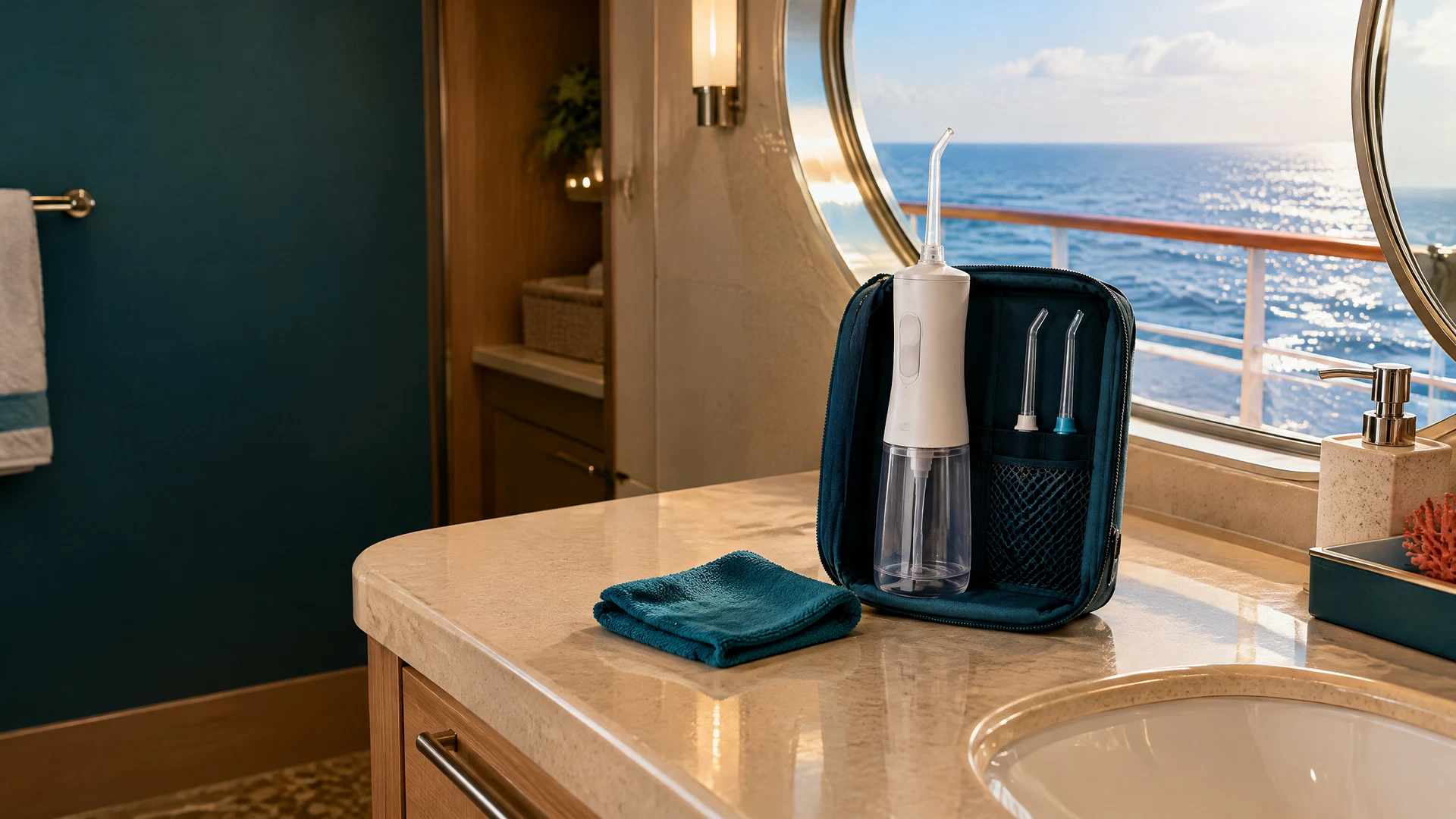
Yes—water flossers are generally allowed on UK cruise lines in 2026. Here’s how to pack, charge and use one safely, plus when to leave it at home and smart alternatives.
If you swear by your Waterpik-style oral irrigator, the good news is you can usually bring a water flosser on a cruise ship from the UK. As of 2026, UK-focused lines like P&O Cruises, Cunard and Marella treat water flossers as small personal care devices, not as heating or high-risk appliances. This guide explains what the rules mean in practice, how to pack and charge them on board, whether you’ll need adapters, and when a compact cordless model makes more sense than a countertop unit. We also include traveller-specific recommendations, money-saving ideas and official links to check policies before you sail.
What UK cruise lines say about small personal-care electrics (2026)
Across major brands serving UK guests—P&O Cruises, Cunard and Marella (TUI)—prohibited items lists focus on heat-generating or hazardous devices (e.g., irons, kettles, travel steamers, candles and hot plates). Oral-care gadgets such as electric toothbrushes and water flossers are not typically listed as prohibited. This aligns with US-based lines popular with UK travellers (Royal Caribbean, Norwegian Cruise Line, MSC), which allow small grooming appliances but restrict anything with heating elements or surge-protected power strips.
Objective fact: You should check your line’s current prohibited items and electrical policies for your departure date. Policies are updated periodically.
Editorial assessment: If your water flosser is cordless or USB-rechargeable, it’s notably simpler to pack and power than a countertop unit with a large base and reservoir. On most ships, space is at a premium and outlets are limited, making compact models easier to live with in a cabin.
Water flossers are not classed as irons, kettles or travel steamers. They’re personal-care devices similar to electric shavers. They don’t pose the typical heat/fire risks that trigger confiscation. Security may still inspect any device with a motor or battery during screening, so keep yours accessible and be ready to explain what it is.
Cordless vs countertop water flossers for cruising
Two broad styles are common:
- Cordless rechargeable: A single handheld unit with a small built-in reservoir, typically USB-rechargeable. Best for packing light and short trips. Fewer cables and less counter space needed.
- Countertop (mains-powered): A base unit with a larger tank and hose. Provides longer continuous use and higher pressure options, but bulkier and needs a spare socket.
Editorial assessment: For most UK cruisers in 2026, a cordless model is the sweet spot. It fits in a wash bag, charges via USB, and is easy to use in a compact cruise bathroom. Only consider a countertop unit if you have complex dental needs (e.g., multiple implants, braces with heavy debris) and space to spare.
<table><thead><tr><th>Traveller type</th><th>Best option</th><th>Why</th><th>Pack it?</th></tr></thead><tbody><tr><td>Light packer on a short sailing (3–7 nights)</td><td>Cordless USB-rechargeable</td><td>Minimal space; charges from USB hub; adequate reservoir for 1–2 cycles</td><td>Yes</td></tr><tr><td>Dental work (braces/implants), meticulous routine</td><td>Countertop at home; cordless on board</td><td>Countertop is bulky ashore; cordless maintains routine afloat</td><td>Yes (cordless)</td></tr><tr><td>Family sharing one device</td><td>Cordless with colour-coded tips</td><td>Saves space; rotate tips; recharge every few days</td><td>Yes</td></tr><tr><td>Fly-cruise with strict luggage limits</td><td>Cordless, compact reservoir</td><td>Lighter, fewer cables; compliant for airline carry-on</td><td>Yes</td></tr><tr><td>Hand mobility issues needing larger grip</td><td>Cordless with ergonomic handle</td><td>Better control in small bathrooms</td><td>Yes</td></tr><tr><td>One-night mini cruise</td><td>Floss picks/interdental brushes</td><td>Even simpler; no charging required</td><td>Maybe skip the flosser</td></tr></tbody></table>
UK plugs, voltage and charging on cruise ships
Most modern ships serving UK travellers offer a mix of sockets: typically 230V European (Type C/F), 110V US (Type A/B) and, on some UK-centric ships (e.g., P&O and Cunard), at least one UK 3‑pin 230V socket in the cabin. Bathrooms often include a low‑power shaver socket. Your water flosser may be USB‑charged, which is the simplest option; otherwise, check the charger’s label for 100–240V compatibility.
Objective fact: Not every cabin has a UK 3‑pin socket. Bring the smallest possible non‑surge travel adaptor(s) if your device or charger needs a different plug type. Avoid trailing cables near basins and never use devices near water unless designed for wet use.
- P&O Cruises: Many cabins include a UK 3‑pin plus EU/US sockets; specifics vary by ship and refurbishment.
- Cunard: Mix of UK 3‑pin and US/EU sockets on newer/refitted ships.
- Marella: Typically US/EU sockets; UK 3‑pin may be limited—carry an adaptor.
- Royal Caribbean, NCL, MSC: Usually US and EU sockets; UK 3‑pin uncommon. Adaptor recommended.
Verification: Confirm your ship’s latest cabin details on the line’s website before packing.
Surge protectors and extension leads
Many cruise lines prohibit surge‑protected extension leads and some ban any extension cords. If you bring a power cube, choose a compact, non‑surge model and check your line’s policy first. A small USB charger that plugs directly into the wall is less likely to be questioned.
Flying to your cruise: lithium battery rules
If your water flosser uses a built‑in lithium battery, airlines typically require it to be in carry‑on luggage, not checked, and to be switched off. Spare loose lithium batteries must also go in cabin baggage with terminals protected. USB‑rechargeable flossers usually contain small batteries that are well within airline watt‑hour limits, but always confirm with your airline for 2026. If you decant mouthwash into small bottles, remember standard airport liquid rules for hand luggage.
- Cordless flosser body and charging cable (USB-C or proprietary)
- 1–2 spare jet tips (colour-coded for sharing)
- Compact non-surge travel adaptor (if needed)
- Zip-top bag or travel case to catch drips after use
- Microfibre cloth to dry the unit and counter
- Small bottle for mouthwash (if you use it), following flight liquid rules
- Printout or screenshot of your cruise line’s prohibited items list (in case of queries at screening)
Using your water flosser onboard without the faff
Cabin bathrooms are compact, so plan your routine. Many travellers find using the flosser inside the shower easiest to avoid splashes. If you use it at the sink, keep your lips partially closed to minimise spray, and start on the lowest pressure to get your bearings on a moving ship. Rinse the reservoir daily and leave it open to air‑dry.
- Use inside the shower if you’re worried about splashes.
- If at the sink, place a flannel under the unit to catch drips.
- Fill the tank halfway first; top up if needed. It’s easier to handle in motion.
- Run the unit briefly to clear trapped water before packing it away.
- Don’t leave it charging on a wet counter; use a dry, ventilated spot.
Water quality on ships: tap, bottled or distilled?
Cruise ship tap water is potable, produced by advanced desalination and purification systems. It’s generally safe for brushing and flossing. Some water flossers recommend distilled or demineralised water to reduce limescale buildup, particularly in hard‑water areas. On board, you can use tap water; if you notice mineral spots, rinse the reservoir and tip with fresh water and occasionally with a mild vinegar solution, then flush thoroughly. If you prefer, use bottled water purchased on board or permitted to bring on (policies vary by line and may restrict outside beverages—verify in 2026).
Editorial assessment: For most UK cruisers, ship tap water is fine for flossers. If you’re on a longer voyage and concerned about mineral buildup, a quick end‑of‑cruise clean with a 1:1 water and white‑vinegar rinse (followed by thorough fresh‑water flushing) helps keep internals clear. Always follow your manufacturer’s care instructions.
When to leave it at home (and smart alternatives)
If you’re on a one‑ or two‑night mini cruise, trying to go strictly hand‑luggage only, or have very limited counter space, you may prefer low‑bulk alternatives. Interdental brushes, floss picks and water‑activated dental tablets are tiny and effective for short trips. For fly‑cruise itineraries with multiple flights, leaving the flosser saves weight and any security chat—though in 2026, most security teams recognise them at a glance.
<table><thead><tr><th>Option</th><th>Best for</th><th>Pros</th><th>Cons</th></tr></thead><tbody><tr><td>Water flosser (cordless)</td><td>Daily deep clean; bridges/braces</td><td>Effective; quick; gentle on gums</td><td>Needs charging; takes space</td></tr><tr><td>Interdental brushes</td><td>Tight spaces; quick touch‑ups</td><td>Tiny to pack; no charging</td><td>Multiple sizes; can bend</td></tr><tr><td>Floss picks/tape</td><td>Minimalist packers; short trips</td><td>Lightweight; cheap; no power</td><td>Less effective for some users</td></tr><tr><td>Mouthwash</td><td>Freshness; adjunct to cleaning</td><td>Easy; complements brushing</td><td>Not a floss substitute; liquid limits when flying</td></tr></tbody></table>
Family sharing: hygiene and routine
If you plan to share one device, bring separate colour‑coded tips and a small case to keep them clean. Rinse tips after use and air‑dry. Establish an order (e.g., before bed) so you’re not queueing for the bathroom at the same time. If anyone has a cold sore or oral infection, do not share tips and consider pausing sharing to prevent cross‑contamination.
Troubleshooting: if security flags your flosser
Screeners may pull your bag if the device looks unfamiliar on X‑ray. Keep the flosser in your carry‑on within easy reach, ideally in a translucent pouch. Be ready to show the body, reservoir and tips. A brief explanation—“oral irrigator for dental hygiene”—usually settles it. If an extension cord triggers extra checks, remember many lines restrict surge‑protected power strips; a small non‑surge USB charger is a safer bet. For more on cruise electricals, see Are Power Strips Allowed on Cruises? and our cabin electrics explainer Cruise Ship Plug Sockets (UK Guide).
Store it safely between uses in a compact cabin
A water flosser should be empty, dry and secure whenever it is not being used. After each session, pour away the remaining water, run the device briefly to clear the internal tube, wipe the exterior and leave the reservoir open until it is dry. Do not balance it on a narrow shelf where ship movement could send it into the basin or onto the floor. A ventilated wash bag or upright bathroom organiser keeps the body and tips together without trapping moisture. On embarkation and disembarkation days, place the dry unit in a sealed pouch inside your hand luggage rather than an unattended suitcase, particularly if it contains a lithium battery. Keep the charging cable separate from damp accessories and charge only on a dry cabin surface. These steps reduce leaks, protect the motor and make any security inspection quicker without changing your normal dental routine.
The Cruise Advisor verdict: pack a compact cordless model
Objective fact: Water flossers are generally allowed on mainstream UK cruise lines, subject to standard safety screening. They are considered personal-care devices, unlike prohibited heat‑generating appliances.
Editorial recommendation: Choose a compact cordless, USB‑rechargeable flosser for most cruises. Pack 1–2 spare tips, a small cloth and a non‑surge USB charger. Use ship tap water, clean and air‑dry daily, and keep the unit accessible at screening. If you’re sailing for just a night or two, interdental brushes or floss picks may be all you need.
Sources and verification (2026)
Always verify with your cruise line before travel. Useful starting points for 2026 policies:
- P&O Cruises UK – FAQs and travel information: https://www.pocruises.com/faq
- Cunard Line UK – FAQs and voyage preparation: https://www.cunard.com/en-gb/frequently-asked-questions
- Marella Cruises (TUI UK) – Cruise FAQs: https://www.tui.co.uk/destinations/info/cruise-faqs
- Royal Caribbean – Prohibited items policy: https://www.royalcaribbean.com/faq/questions/prohibited-items-onboard-policy
- Norwegian Cruise Line (UK) – Prohibited items: https://www.ncl.com/uk/en/prohibited-items
- MSC Cruises UK – Baggage and security info: https://www.msccruises.co.uk/manage-my-booking/baggage
If a policy could affect your device (e.g., batteries, adapters, power strips, outside beverages), check the exact wording for your ship and sailing date before booking or packing.
Frequently Asked Questions
Are water flossers allowed on P&O Cruises in 2026?
P&O’s prohibited items focus on hazardous and heat‑generating devices. Water flossers are treated like personal-care electronics (similar to electric toothbrushes) and are generally permitted. Always confirm on P&O’s official FAQs for your sailing before you pack.
Can I use a water flosser in a cruise ship bathroom?
Yes. Many guests use them at the sink or in the shower. To avoid splashes in compact bathrooms, start on a low pressure and partially close your lips around the tip. Dry the unit afterwards and store it upright to air‑dry.
Do I need a UK plug adaptor for my flosser on board?
Possibly. Cabins often have a mix of US/EU sockets and sometimes a UK 3‑pin. Check your ship’s socket types. A compact non‑surge adaptor and a USB charger cover most scenarios.
Is ship tap water safe to use in a water flosser?
Yes, cruise ship tap water is potable. If you’re concerned about mineral buildup inside the device, rinse and air‑dry the reservoir, and consider an occasional vinegar-and-water clean in line with the manufacturer’s guidance.
Can I pack a countertop water flosser?
You can, but it’s bulky and needs a spare socket. For most travellers, a cordless USB‑rechargeable model is more practical. If you do bring a countertop unit, verify your cabin has suitable plug types and space.
What if I’m flying to the port with a lithium battery flosser?
Keep it in your hand luggage, switched off. Check your airline’s 2026 rules for lithium batteries and liquids. Most cordless flossers have small batteries well within typical limits.
Will security confiscate my water flosser?
It’s very unlikely if it’s a standard consumer model. Security may ask to inspect it; keeping it accessible helps. Avoid bringing surge-protected power strips, which are often not allowed and can trigger extra checks.
Do cruise ships sell water flossers or replacement tips on board?
Onboard shops may sell basic dental supplies, but replacement water flosser tips are uncommon. Bring your own spare tips and charger to avoid inconvenience and higher prices.
Related articles
- Best Shoes for Cruise Ship Deck Walking: UK Guide
- Can you bring bottled water on a cruise ship (UK)?
- Are toiletries provided on cruise ships? UK guide
- Are pool towels provided on cruise ships (UK)?
- Can you bring an electric toothbrush on a cruise ship (UK)?
- Can you bring protein powder on a cruise ship (UK)?