Can you bring protein powder on a cruise ship (UK)?
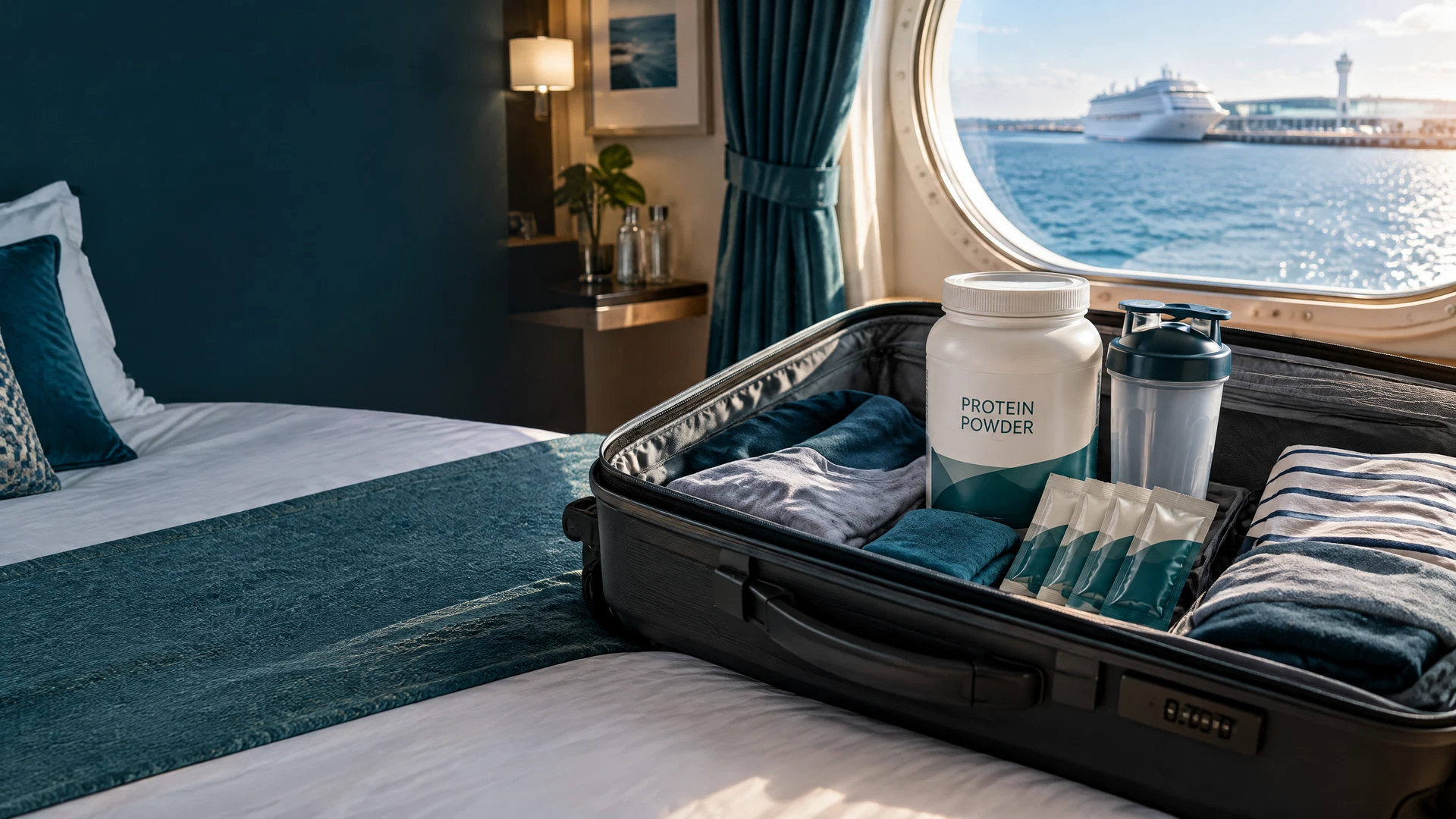
Wondering if you can bring protein powder on a UK cruise? Here’s what lines typically allow, how to pack it for security, flight considerations, and traveller-specific recommendations for 2026.
Can you bring protein powder on a cruise ship (UK)? In most cases, yes—if it’s a sealed, commercially packaged, non-perishable product. But the fine print varies by cruise line and can change, so it’s essential to verify the latest rules on the cruise line’s official website before you pack. This 2026 guide covers what UK travellers need to know, from P&O and Cunard to Marella and popular international lines, plus flight rules, packing tips, money-saving angles, and who should—and shouldn’t—bring powders aboard.
Is protein powder allowed on cruise ships? The short version
Most major cruise lines that cater to UK guests typically permit pre-packaged, shelf-stable snacks and dry goods, which often includes protein powders. Homemade or unlabelled products are usually not allowed. Open containers can attract extra scrutiny. Because security decisions are case-by-case, it helps to keep protein powders in factory-sealed tubs or single-serve sachets, and to pack them so they’re easy to inspect. Always confirm the policy on your cruise line’s official site close to your 2026 sailing date.
UK cruise lines at a glance: P&O, Cunard, Marella
UK-focused lines tend to publish prohibited items and food policies that cover whether you can bring non-perishable, commercially packaged foods. These pages rarely name ‘protein powder’ specifically, so you’ll be interpreting general rules about snacks and powders. Key points to check on each line’s site in 2026: whether sealed, commercially packaged dry foods are allowed; whether open containers are acceptable; if security needs original labelling; whether there are limits on quantities; how to notify special diets or medical needs; and rules about taking foods ashore in certain ports.
P&O Cruises: what to know before you pack
Look for P&O’s latest prohibited items and food guidance for 2026. Historically, cruise lines with similar policies have allowed factory-sealed, non-perishable foods. To minimise any issues with protein powder at embarkation: keep powders in sealed, clearly labelled containers; avoid transferring into unmarked tubs; bring single-serve sachets if you can; keep any medical notes handy if you have a clinical need. If in doubt, contact P&O ahead of time via their special assistance channel.
Cunard: premium line, similar screening principles
Cunard’s security screening is thorough and policies can change. As of 2026, check Cunard’s official FAQs for current rules on bringing food. If permitted, sealed, labelled tubs or sachets are typically the smoothest path through security. For special diets, formally notify Cunard and keep correspondence available at check-in.
Marella Cruises (TUI): package-cruise convenience with checks
Marella guests often fly on TUI Airways, so you must consider both airline powder rules and cruise embarkation checks. For 2026, review Marella’s FAQs and your flight documentation. Pack powders in accordance with any airline guidance, expect possible additional screening, and use sealed, clearly labelled containers.
Other popular options for UK travellers: Royal Caribbean, MSC, NCL
Many UK cruisers sail on international brands from Southampton or fly-cruise. Each line publishes its own rules. When in doubt, sealed commercial packaging and transparency at screening help. Always verify the 2026 policy on the official site a few days before embarkation.
Royal Caribbean
Royal Caribbean provides clear guidance on bringing non-perishable snacks. In 2026, review their official food policy page. If powders are allowed, keep them in original, sealed packaging where possible, or in single-serve sachets, and be prepared to show them to security.
MSC Cruises
MSC’s policies can be stricter in certain areas. In 2026, consult MSC’s official baggage/FAQ sections for the latest on bringing food items. If you have a medical need for a specific supplement, contact MSC in advance to document exceptions where applicable.
Norwegian Cruise Line (NCL)
NCL publishes a prohibited items list and food guidance. For 2026, check whether sealed, non-perishable snacks are permitted and how powders are treated at screening. If permitted, keep items sealed and labelled, and carry them in hand luggage for easier inspection.
How to pack protein powder for smooth security screening
Security teams need to identify unknown substances quickly. Clear labelling and sealed packaging reduce delays. If you decant to a smaller tub to save space, bring the original label or keep a photo of the label and batch number. Avoid bringing large, unlabelled bags of white powder, which invite secondary screening. Pack a folding shaker and a small scoop; store the powder upright in a resealable bag to prevent leaks. Keep it in your carry-on on embarkation day so you can present it without opening your checked luggage.
- Confirm your cruise line’s 2026 food policy a few days before you sail. 2) Prefer factory-sealed tubs or individual sachets; avoid unlabelled bags. 3) If decanting, transfer to a rigid, food-safe container and tape on a printed label with brand, flavour, and ingredients. 4) Place the container inside a secondary zip bag to catch spills. 5) Pack in your carry-on for embarkation so you can declare it if asked. 6) Bring a clean scoop and shaker; keep the shaker dry until onboard. 7) Store the powder in a cool, dry place in your cabin; avoid leaving it in humid bathrooms. 8) Don’t take powders ashore where local regulations restrict food imports; check the port’s guidance.
Flying to your cruise: UK airport and airline rules on powders
Cruise terminals and airports are different environments. For 2026 fly-cruises, powders in UK airports are generally allowed in cabin baggage but may be subject to extra screening. Some routes and airlines (especially to or via the U.S. and Australia) have tighter cabin-bag limits on powder quantities. If you’re flying TUI, British Airways, easyJet, or a U.S. carrier, read the latest powder guidance for your specific route. If restrictions apply, consider checking the powder in hold luggage (secured against spillage), or use factory-sealed sachets in smaller quantities for hand luggage. Build extra time at security in case your bag is pulled for inspection.
- Check your airline’s 2026 powder rules for cabin bags, especially if transiting the U.S. or Australia.
- If carrying in hand luggage, pack powders in a clear, separate pouch so you can remove them for screening.
- If placing in hold luggage, place tubs in a rigid box or surrounded by clothing to prevent crushing; double-bag against spills.
- Keep documentation for medical/clinical nutrition products.
- Liquids (like ready-to-drink shakes) face 100ml cabin limits unless bought airside; plan accordingly.
<table><thead><tr><th>Feature</th><th>Bring protein powder</th><th>Bring ready-to-drink shakes</th><th>Buy onboard (smoothie bar/gym)</th><th>Request special diet with line</th></tr></thead><tbody><tr><td>Cost control</td><td>High (bought at home)</td><td>Medium-Low (RTDs cost more; baggage space)</td><td>Low (menu prices apply)</td><td>Varies (may be included if medical; confirm)</td></tr><tr><td>Security/flight ease</td><td>Good if sealed/labelled; may be screened</td><td>Poor for hand luggage (liquid limits)</td><td>Excellent (no carrying)</td><td>Excellent (nothing to carry)</td></tr><tr><td>Convenience onboard</td><td>High; mix when needed</td><td>High; no mixing</td><td>High; prepared for you</td><td>High; arranged in advance</td></tr><tr><td>Dietary control</td><td>Exact brand/ingredients</td><td>Exact brand/ingredients</td><td>Limited to menu/brand onboard</td><td>Good if approved; may be limited</td></tr><tr><td>Storage/space</td><td>Needs dry space in cabin</td><td>Needs fridge space; heavier to carry</td><td>No storage needed</td><td>No storage needed</td></tr><tr><td>Best for</td><td>Regular users with specific brands</td><td>Short trips or no powder allowed in cabin</td><td>Occasional use; no packing hassle</td><td>Medical/special diets; convenience</td></tr></tbody></table>
Recommendations by traveller type
Regular gym-goers: Bring your usual sealed tub or sachets; pack a shaker and scoop; verify the line’s policy 48–72 hours before sailing. Budget-conscious travellers: Bringing your own (sealed) is typically cheaper than buying onboard; portion it out to avoid waste. Special diet or medical need: Contact the cruise line’s dietary team in advance; bring documentation; opt for sealed sachets. Fly-cruise passengers: Consider airline powder rules; if uncertain, pack sachets and check the rest into hold luggage. Minimalists/short cruises: Skip bringing powder and buy the occasional shake onboard if available; expect an extra charge. Families/teens: Use sachets to manage portions and keep cabin tidy; avoid loose bags of powder.
Money-saving and practical tips
- Buy at home in bulk, but don’t bring more than you’ll use; powders take space.
- Sachets can be pricier per serving but reduce waste and screening hassle.
- A simple collapsible shaker avoids buying bottles onboard.
- If your cabin has a minibar fridge, use it only for RTDs that require chilling; many powders store best in a cool, dry cupboard.
- If your line sells shakes at a bar or spa café, check the menu before you commit; prices vary and are subject to change—verify onboard in 2026.
- Pair with free beverages like water or long-life milk alternatives if provided at breakfast; check what’s available onboard and whether any surcharges apply.
Troubleshooting: if security flags your powder
Stay calm and cooperative. Explain it’s a commercially packaged dietary supplement, present the sealed tub or sachets, and show the ingredient label. If you decanted, show the original label or a photo of it. Security has the final say; if they refuse the item, you may need to surrender it. If protein intake is medically important, speak with Guest Services or the dining team onboard to arrange alternatives once you sail.
What about taking protein powder ashore?
Many destinations limit bringing any food—powders included—past local customs, especially in places with strict biosecurity rules. Always check the guidance for each port and err on the side of leaving powders aboard when disembarking. On return to the UK, standard personal import rules apply, but keep opened powders sealed and clearly labelled to avoid delays at customs if inspected.
How to pre-portion powder without creating a security problem
Pre-portioning can reduce luggage weight, but a row of unmarked bags is harder for security staff to identify than a sealed retail pack. The safest compromise is to use factory-labelled single-serve sachets. If your usual product is not sold in sachets, use a small rigid food container with a secure lid and add a clear label showing the product name, flavour, ingredients and original best-before date. Keep a photograph of the retail tub and ingredient panel on your phone, but do not rely on the photograph as a substitute for sensible packaging. Carry only the servings you reasonably expect to use, separate the scoop from the powder, and place the container inside a transparent secondary bag. Travellers sharing a cabin should keep different supplements in separately labelled containers, particularly where allergens such as milk, soya or nuts may be present. Never mix medicines into the same container: keep prescriptions in their original labelled packaging and follow the cruise line’s medication guidance.
Mixing, cleaning and storing shakes safely in a cruise cabin
A dry shaker is simple to manage onboard, but poor cleaning can quickly create odour and residue in a warm cabin. Mix one serving at a time with drinking water from an approved onboard source, follow the product’s preparation instructions, and consume it promptly rather than leaving a prepared shake on the desk for hours. Rinse the shaker immediately after use, then wash it with hot water and washing-up liquid if your cabin setup permits; otherwise ask your cabin steward or dining team what cleaning option is appropriate. Let every component dry fully before closing the lid. Store powder away from the bathroom, direct sunlight, balcony humidity and any minibar condensation. Do not use the cabin kettle, glasses or dining utensils in a way that creates extra work or an allergen risk for other guests. If you use protein powder for a medically prescribed nutrition plan, contact the cruise line before sailing to discuss preparation water, refrigeration or dietary support rather than assuming standard cabin facilities will meet the requirement.
Related reading on Cruise Advisor
For broader packing context and embarkation prep, see:
- Cruise packing list: UK edition
- What not to pack on a cruise
- Can you bring snacks on a cruise?
- Alcohol rules by cruise line
- Special diets on cruises
- Embarkation day essentials
- Carry-on vs checked bags for cruises
Sources and verification (check again before you sail in 2026)
Always verify policies on your cruise line’s official website shortly before departure:
- P&O Cruises — Prohibited items/what to pack: https://www.pocruises.com/
- Cunard — FAQs and what to bring: https://www.cunard.com/en-gb/
- Marella Cruises (TUI) — Cruise FAQs: https://www.tui.co.uk/cruise/experts/faqs
- Royal Caribbean — Food policy: https://www.royalcaribbean.com/faq/questions/food-onboard-policy
- MSC Cruises — FAQs/baggage: https://www.msccruises.co.uk/faq
- Norwegian Cruise Line — Prohibited items: https://www.ncl.com/uk/en/faq
Policies can change; if you rely on protein supplements, contact the line’s special assistance or dietary team in advance and keep their confirmation handy at embarkation.
Frequently Asked Questions
Do cruise lines explicitly list protein powder as allowed?
Rarely. Policies typically refer to ‘non-perishable, commercially packaged food’ or ‘snacks’ rather than naming protein powder. The safest approach is to bring sealed, clearly labelled products and verify your line’s 2026 policy shortly before sailing.
Is it better to bring a big tub or sachets?
For screening ease, sachets win. They’re sealed, labelled, and portioned. A sealed factory tub is usually fine but can be bulkier and may be opened for inspection. If you decant, attach the original label to a rigid container.
Can I bring ready-to-drink protein shakes?
Possibly, but liquids face stricter rules when flying (100ml cabin limits unless purchased airside). At cruise embarkation, security may still inspect liquids and can refuse any item. Check both your airline’s and cruise line’s 2026 policies if you plan to bring RTDs.
Will my cabin have a fridge for protein shakes?
Many cabins have a minibar fridge, but cooling performance varies and contents may be pre-stocked. If you need fridge space, ask your cabin steward once onboard. Policies and availability vary by line and ship—verify after boarding.
Can I take protein powder ashore in port?
Often not advisable. Many destinations restrict bringing any food ashore due to biosecurity rules. Leave powders onboard unless local regulations clearly permit it. When in doubt, don’t take food items off the ship.
What if security refuses my powder at embarkation?
Security decisions are final. If refused, you may need to surrender the item. If protein intake is important for medical or dietary reasons, speak to Guest Services or the dining team onboard to arrange suitable alternatives.
Will the ship sell protein shakes or supplements onboard?
Some ships offer protein smoothies or shakes at cafés or spa venues for an extra charge. Availability and prices vary and can change; check the venue’s menu once onboard in 2026.
Do I need to declare protein powder at security?
There’s usually no formal declaration process, but place powders where they’re easy to remove and proactively show sealed containers if your bag is pulled. Carrying the original label or ingredient list helps speed things up.