What to Do on Embarkation Day Cruise: Ultimate Guide
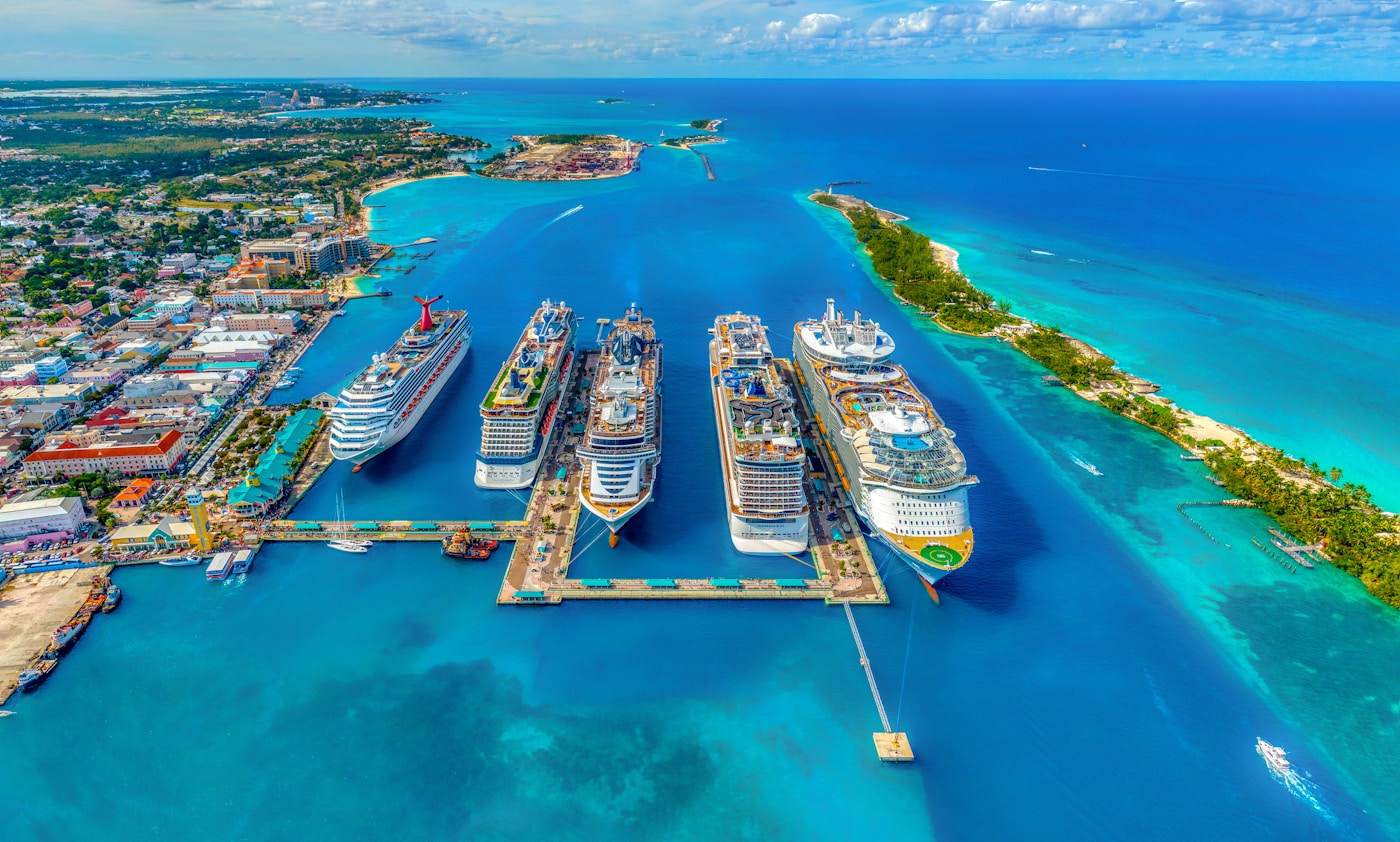
Embarkation day can make or break your cruise holiday. This 2026 UK-focused guide explains exactly what to do on embarkation day, with checklists, costs in £, and practical tips.
If you’re wondering what to do on embarkation day cruise, you’re in the right place. Embarkation day sets the tone for the whole holiday: get it right and you’ll be sipping a welcome drink while your bags appear at your cabin; get it wrong and you could face queues, confusion and missed dinner reservations. Whether you’re sailing with P&O, Cunard, Marella or Fred. Olsen, we’ll walk you through practical, up‑to‑date advice for 2026 UK sailings. Expect checklists, exact prices in £, packing tips, and money‑saving hacks specific to UK travellers.
Plan before you leave home (crucial steps)
Preparation before you leave home is the single best way to make embarkation day stress‑free. In 2026 most UK cruise lines (P&O, Cunard, Marella) require online check‑in at least 48 hours before sailing. Complete web check‑in, upload your passport and any visas, and print or save boarding documents to your phone. If your departure port is outside your local area — for example Southampton, Liverpool or Tilbury for many P&O and Cunard sailings — book transfers early.
Make photocopies or photos of passports, travel insurance, and emergency contact details. Save cruise documents to your phone and email a copy to your travel partner. If you have a medical condition or require mobility equipment, inform the cruise line before arrival — P&O and Cunard have specific procedures and can help arrange priority boarding. Bring a small overnight bag with essentials so you’re not stranded without medications if your hold luggage is delayed.
- Check web check‑in complete and boarding time. 2. Pack a day bag with documents, medication, chargers, swimwear and formalwear. 3. Print or download your boarding pass and health forms. 4. Refill prescriptions so you have enough for the cruise and a day or two extra. 5. Arrive at the port at least 90 minutes before your scheduled boarding slot (earlier for peak summer 2026 sailings).
<table><thead><tr><th>Feature</th><th>Early Arrival (First Boarding)</th><th>Standard Arrival</th></tr></thead><tbody><tr><td>Queue Time</td><td>Shorter</td><td>Longer</td></tr><tr><td>Cabin Access</td><td>Sometimes delayed until 1pm but priority luggage</td><td>Cabin usually ready by 1–2pm</td></tr><tr><td>Buffet Crowds</td><td>Less crowded</td><td>Busier at lunchtime</td></tr><tr><td>Priority Perks</td><td>May include welcome photo or priority tender</td><td>No</td></tr><tr><td>Best For</td><td>Families with kids, those keen to explore ship</td><td>Travellers on flexible schedules</td></tr></tbody></table>
How to choose your transport to the port
You have three main choices when travelling to the UK ports in 2026: drive and park, train, or coach/taxi transfer. Each has pros and cons depending on budget, luggage, mobility and whether you’re returning at the end of the cruise.
If you’re sailing from Southampton (a major hub for P&O, Cunard and Marella), consider official port parking or a meet‑and‑greet service. Port parking for a seven‑night cruise in 2026 typically ranges from £80–£150 depending on proximity. Meet‑and‑greet services—where you leave your car at the terminal and it’s taken to secure parking—start from around £95.
- Train: Fast, eco‑friendly; Southampton Central to the Terminal often requires a short taxi; one‑way fares from London around £25–£45.
- Coach: Cheaper group options via P&O/Cunard official coaches, about £40–£80 return in 2026.
- Taxi/private transfer: Convenient door‑to‑terminal; expect around £120–£180 one‑way from central London.
- Drive & park: Best for families with lots of luggage; park from £80–£150 for a week depending on service.
Airport to port transfers when flying in for your cruise
If you’re flying into a UK airport (Gatwick, Heathrow, Manchester), budget extra time. Domestic connections are tighter in 2026 due to higher passenger numbers and occasional ATC delays. Book an airport meet & greet or a scheduled transfer with your cruise operator. For instance, a shared transfer from Gatwick to Southampton costs roughly £60 per person, while a private transfer can be approximately £180–£250 depending on vehicle size.
If your flight arrives on the morning of embarkation, it’s risky unless you have a long layover. Consider flying in a day earlier and booking a cheap B&B near the port.
<table><thead><tr><th>Route</th><th>Coach (per person)</th><th>Train (per person)</th><th>Taxi/Private (one way)</th></tr></thead><tbody><tr><td>London to Southampton</td><td>£45–£65</td><td>£25–£55</td><td>£120–£180</td></tr><tr><td>Manchester to Liverpool (for cruise)</td><td>£30–£50</td><td>£20–£40</td><td>£90–£140</td></tr><tr><td>Heathrow to Tilbury</td><td>£50–£80</td><td>£28–£48</td><td>£130–£200</td></tr></tbody></table>
What happens at the port: step‑by‑step
Most UK ports follow a similar process in 2026: arrival, security screening, check‑in, passport control, and boarding. Arrive with your printed or mobile boarding pass and passport. Port staff will direct you through security much like at an airport — expect belt removal, liquids checked, and a bag scan.
If you’re travelling with special assistance or a mobility scooter, head to the designated desk as soon as you arrive. Port teams for Cunard, P&O and Marella are generally very experienced with mobility requirements and will often prioritise your boarding. For families with toddlers, many terminals offer priority boarding; ask at the check‑in desk.
- Check‑in desk: present passport and boarding pass.
- Security screening: similar to airport security.
- Tendering (if required): some ports or itineraries use tenders; crew will organise.
- Luggage drop: clearly label hold luggage with the tags provided.
- Passport control: UK/EU/foreign port depending on sailings.
- Board the ship: staff will scan your boarding pass and hand over your cruise card/key.
Luggage handling — what to expect and how to prepare
Hold luggage is usually collected at the terminal and delivered to your cabin later in the afternoon. To avoid delays, place a small labelled overnight bag with essentials: meds, documents, swimwear, a change of clothes, chargers and a power adaptor if needed. For fragile items or valuables, carry them with you — do not put jewellery, electronics, or important documents in hold luggage.
If you’re joining a ship that uses tenders (for example small‑ship itineraries), keeping essentials in your hand luggage is even more important.
First two hours on board — priorities
Your first two hours onboard should focus on essentials: locate your cabin, check onboard account and key card, inspect your cabin for any issues, find the buffet and muster station, and book any shore excursions or specialty restaurants if still available. Popular ships such as P&O Iona and Cunard Queen Mary 2 can sell out for speciality dining reservations quickly on embarkation day.
<table><thead><tr><th>Priority</th><th>Why it matters</th><th>Estimated time</th></tr></thead><tbody><tr><td>Collect key card</td><td>Access to cabin and on‑board purchases</td><td>5 mins</td></tr><tr><td>Inspect cabin</td><td>Report missing items or damage early</td><td>10–15 mins</td></tr><tr><td>Find muster station</td><td>Mandatory safety briefing location</td><td>10 mins</td></tr><tr><td>Buffet lunch</td><td>Fuel up and avoid queues later</td><td>20–30 mins</td></tr><tr><td>Book excursions/dining</td><td>Secures places while availability remains</td><td>15–30 mins</td></tr></tbody></table>
Muster drill: where to go and alternatives
The muster drill is mandatory and will take place before the ship departs or shortly after. Historically it took place in lifeboat stations with a physical assembly; in 2026 many ships use a digital muster system, asking you to watch a short safety video in your cabin and then go to a designated station. This change speeds up the process but always check your sailing instructions.
Food, drink and money on embarkation day
Most ships open the main buffet for lunch on embarkation day; specialty restaurants may have limited early service or reservations. If you’ve booked a drinks package, bring proof (email or receipt) and confirm activation with guest services. Typical drinks packages in 2026 range from £18–£30 per person per day depending on inclusions; soft drink packages are often £8–£10 per day.
If you plan to dine in a speciality restaurant (e.g. P&O's 'The Glass House' or Cunard's speciality restaurants), expect fees from £20–£45 per person on top of your fare. Some ships allow menu choices in the main dining room without an extra charge, but specialty dining guarantees a different experience. Consider sharing a speciality meal with friends to split costs.
- Bring a small amount of UK cash (usually £20–£50) for tips or small purchases; most lines are cashless but cafes at port may accept only cash.
- Buy or pre‑book drinks packages only if you’ll actually use them — estimate daily consumption.
- Book speciality dining or shore excursions early online before prices rise on board.
- Use the buffet for first meals to save on speciality charges.
- Use the ship's free water stations instead of buying bottled water if safe to do so.
<table><thead><tr><th>Item</th><th>Typical Cost</th><th>Notes</th></tr></thead><tbody><tr><td>Soft drink package</td><td>£8–£10/day</td><td>Per person</td></tr><tr><td>All‑inclusive drinks package</td><td>£18–£32/day</td><td>Depends on brand exclusions</td></tr><tr><td>Speciality restaurant</td><td>£20–£45/person</td><td>Some set menus pricier</td></tr><tr><td>Wi‑Fi (basic)</td><td>£6–£10/day</td><td>Buy package for better value</td></tr><tr><td>Shore excursion (half day)</td><td>£30–£80</td><td>Depends on port</td></tr></tbody></table>
If you’re using a pre‑paid card for onboard purchases, link it early. UK travellers should ensure their bank cards are enabled for spending abroad — even on UK cruises that call at European ports — and notify their bank of travel dates to avoid automated blocks.
What to do if your luggage is delayed
In the rare event your hold luggage doesn’t arrive with your cabin, report it to guest services immediately. Cruise lines keep hold luggage in secure storage, and most deliver within a few hours. Have essential items (medication, a change of clothes) in your hand luggage so you can enjoy your first evening ashore or onboard. If luggage is lost entirely, your travel insurance can reimburse necessary purchases — keep receipts.
- Passport and printed boarding pass
- Medication (at least 48 hours extra)
- Swimwear and a towel (for first dip)
- Chargers, phone, headphones
- One change of clothes and some smart casual attire for first evening
- Travel adaptor and small toiletries
Families travelling with children — extra considerations
Families should check family boarding times, childcare services, and kids' clubs. Many UK cruise lines offer priority boarding for families; P&O and Marella frequently allow families to board earlier to settle children. Bring essential baby items and nappies as stock and brands vary by ship. Consider booking youth club spots in advance on popular sailings — some clubs have limited capacity and early 2026 summer cruises fill quickly.
If travelling with young children, arrange a familiarisation visit to the kids' club as soon as you board. It helps reduce separation stress and allows staff to note allergies or special needs. For solo parents, some ships have family listening devices or apps to stay in touch while children are in clubs — ask guest services.
Solo travellers and couples — making the most of embarkation day
Solo travellers should check for single‑occupancy lounges and social events on embarkation day — many ships have 'solo traveller' meetups or welcome drinks. Couples might prefer to explore the ship quietly, secure a late dinner reservation, or book a spa treatment to unwind after travel.
Check the spa for cruise‑only offers on embarkation day.
Q: Can I board earlier than my slot? A: Sometimes — contact the cruise line if you have a tight schedule or mobility needs; they may allow early boarding for families, those with medical needs or pre‑booked transfers. Always confirm before you travel.
Evening plans on embarkation day
The ship’s sailaway party is one of the highlights of embarkation day. Dress codes vary by line and ship — P&O’s smart casual, Cunard’s elegant evening wear in the evenings for many passengers — so check your cruise documents. If you prefer a quieter evening, many specialty restaurants and lounges remain open and host live music or quiz nights.
- Attend sailaway on deck — great for photos.
- Book a speciality restaurant for a guaranteed table.
- Check the theatre for evening shows — booking ahead is best.
- Try a casual bar or late buffet if formal dining isn’t your thing.
- Attend meetups or shore excursion briefings for next port plans.
Dealing with delays, cancellations or missed embarkation
In 2026, travel disruptions remain possible. If your flight is delayed and you miss embarkation, contact your cruise operator immediately — most lines have protocols to join the ship at the next port or arrange alternative transport. Always have travel insurance that covers missed departures and emergency flights; policies in 2026 for UK travellers often include optional 'missed connection' cover.
Health, medical and COVID‑era considerations (2026)
By 2026, most cruise lines have simplified COVID requirements but retain health checks for certain itineraries. Bring proof of vaccination if required for specific ports and pack a medical kit. If you take regular medication, carry recent prescriptions or a letter from your GP. For international ports, ensure you have any needed vaccines in your records.
If you require oxygen or other medical equipment, contact the cruise line well before departure; P&O, Cunard and Marella all have medical clearance processes and can advise on costs and availability.
Shore excursions: booking on embarkation day
If you haven’t pre‑booked excursions, check availability on embarkation day. Popular excursions can sell out fast on P&O Iona and Cunard Queen Mary 2. Book through the cruise line to ensure the ship will wait if an excursion runs late (a benefit worth paying for on some itineraries). Prices for half‑day excursions in 2026 typically range from an estimated £30 to £95 depending on activity and location.
If you prefer independent exploration, research taxi costs and local transport before you arrive. Sometimes local operators offer cheaper tours but remember the ship won’t wait for privately arranged excursions.
Tips for booking excursions cheaply
Compare the cruise line price with reputable local operators. If you choose the local operator, leave ample time to return. For popular ports like Reykjavik or new Mediterranean ports on 2026 itineraries, pre‑book online where possible to secure better rates.
Accessibility and special assistance on embarkation day
If you have mobility needs, arrange assistance in advance. Cruise lines provide wheelchair help from the terminal to the cabin and can store scooters on board. On embarkation day, request priority check‑in and boarding. Make sure your cabin meets your accessibility requirements and report any issues to guest services immediately.
Cunard and P&O have trained staff for accessibility; if your mobility equipment requires specific storage or charging facilities, confirm compatibility before packing. Always carry essential spares and chargers for mobility devices.
Packing reminders specific to embarkation day
Keep a small packing list for embarkation day only: passport, boarding pass, medication, swimwear, a change of clothes, eveningwear (if you plan to dine in the main dining room), phone, charger and a plug adapter. A foldable tote or small backpack is ideal for moving around the ship and carrying documents.
Contacting family and staying connected
Wi‑Fi packages vary; simple messaging plans can be as low as £6/day, while full streaming packages reach £12–£20/day. Compare cruise line offers with third‑party packages; sometimes you can pre‑book cheaper bundles. Use Wi‑Fi cautiously early in the cruise when networks might be saturated.
If you rely on connectivity for work or urgent matters, secure a good Wi‑Fi package before leaving home; the cruise line app will usually allow pre‑purchase at a discount.
Document checklist for embarkation (print and digital)
Bring printed and digital copies of: passports (valid for all ports), cruise booking confirmation, boarding passes, travel insurance policy & emergency contact, visas (if required), and any medical documentation. Leave a copy with a trusted family member and store one on cloud storage like Google Drive for quick access.
- Passport (valid for the whole trip)
- Boarding pass / Cruise ticket
- Travel insurance policy number and emergency contact
- Any visas required by ports
- Medical letters/prescriptions
- Credit/debit card for onboard account
Making the most of onboard amenities on embarkation day
Explore amenities: pools, gym, spa, shops and entertainment venues. Many guests use the first afternoon to book spa treatments at a discount or join the fitness class. Check the onboard newsletter or app for same‑day offers — sometimes afternoon spa discounts of in the region of 10–15% are available to fill slots.
Shops may have duty‑free tobacco and perfume, but prices vary.
Security and scams to watch for on embarkation day
Be wary of unofficial port operatives offering cheap parking or transfers — only use official services or well‑reviewed firms. Keep your cabin key card secure; treat it like cash. If someone offers to look after your luggage for a small fee on arrival, decline and use official port staff.
If you’re cruising with a UK operator (P&O, Cunard, Marella) — line‑specific notes
P&O: Expect family‑friendly activities, kids’ clubs and a relaxed dress code on many nights. Cunard: Formal evenings and traditional afternoon tea are highlights; muster may include digital options in 2026. Marella: Often great value with inclusive packages — pre‑book excursions through Marella for guaranteed timing and ship support. Fred. Olsen: Smaller ships with a relaxed pace and personalised service; luggage handling is efficient but dining style is more traditional.
If you’re unsure about dress codes or special events on embarkation day, check your cruise line app or the printed daily planner. Lines update these for 2026 sailings and sometimes offer themed nights on embarkation.
Returning to the ship late after shore activities on embarkation day
If you plan a taxi into town or a quick trip from a port city on embarkation day (in cases where you board early and the ship docks until evening), keep the ship’s departure time clearly noted and return with ample time. Most ships don’t allow late returns once the gangway is closed. If you’re planning to stay in port before departure, discuss options with guest services.
Q: Can I bring alcohol onboard? A: Most UK cruise lines allow a limited amount of duty‑free alcohol in your hold luggage (usually one bottle per adult), but policies vary. It’s best to check P&O, Cunard or Marella’s 2026 policy before packing.
Final checklist — quick run through before you board
Before you leave for the terminal: confirm your boarding time, have passports ready, ensure medications and essentials are in your hand luggage, check the weather for the embarkation port and finalise your transport. Keep a printed copy of important numbers: cruise line emergency line, travel insurance helpline, and the port address.
A calm, methodical approach makes embarkation day enjoyable. With a little pre‑planning and the right expectations, you’ll be ready to make the most of the first moments of your cruise holiday.
Frequently Asked Questions
What time should I arrive at the port on embarkation day?
Aim to arrive at least 90 minutes before your allocated boarding window, earlier if travelling with a large group or family. If you have mobility needs or pre‑booked medical assistance, arrive earlier and notify the port desk so staff can assist. For peak summer sailings in 2026, arriving two hours before your window can avoid long queues.
Can I board the ship if my flight is delayed?
If your flight is delayed, contact the cruise line immediately. Some lines will arrange for you to join at the next port or recommend a later flight to an alternative port. Having comprehensive travel insurance that covers missed embarkation is essential — policies in 2026 often include 'missed connection' cover as an add‑on.
Do I need to bring cash on embarkation day?
Bring a small amount of UK cash (around £20–£50) for minor expenses such as tipping porters or buying a coffee in the terminal. Most purchases onboard are cashless and charged to your cabin account, but some port services or small vendors may accept only cash.
How long will it take for my hold luggage to arrive?
Hold luggage is typically delivered to cabins between mid‑afternoon and early evening on embarkation day, often between 1pm–6pm depending on the ship and the number of cabins. If your luggage is late, report it to guest services immediately. Keep essentials in your hand luggage to avoid inconvenience.
Should I pre‑book specialty dining and excursions before embarkation?
Where possible, pre‑book speciality dining and shore excursions online before embarkation for better choice and sometimes lower prices. Popular options can sell out on P&O, Cunard and Marella, especially in 2026 as demand has increased. If you haven’t pre‑booked, try to book these within the first two hours onboard.
What happens at the muster drill in 2026?
By 2026 many cruise lines have adopted digital muster procedures: you may be asked to watch a safety video in your cabin and then visit a muster station. Others still hold a traditional assembly at lifeboat stations. Always check your sailing instructions and complete the muster process when asked — the ship cannot depart without confirmation that all passengers have completed it.
Can I change my cabin on embarkation day?
Cabin changes are possible but depend on availability and the cruise line’s policy. Speak to guest services as soon as you board if you want a change; there may be a fee. Lines like Cunard and P&O may offer upgrades at a cost or move you for medical or accessibility reasons without charge.
Related articles
- First Time Cruiser Complete Guide: What to Expect on Your Voyage
- Cruise Cabin Types Explained: Inside, Outside, Balcony & Suite
- Your Ultimate Guide to MSC Cruises Drink Packages in 2026
- What To Expect On First Royal Caribbean Cruise: Real Advice
- Are Marella Cruises Going Ahead: The Complete 2026 Breakdown
- How to Get Upgraded on a Cruise: Practical UK Guide