Cruise Cabin Types Explained: Inside, Outside, Balcony & Suite
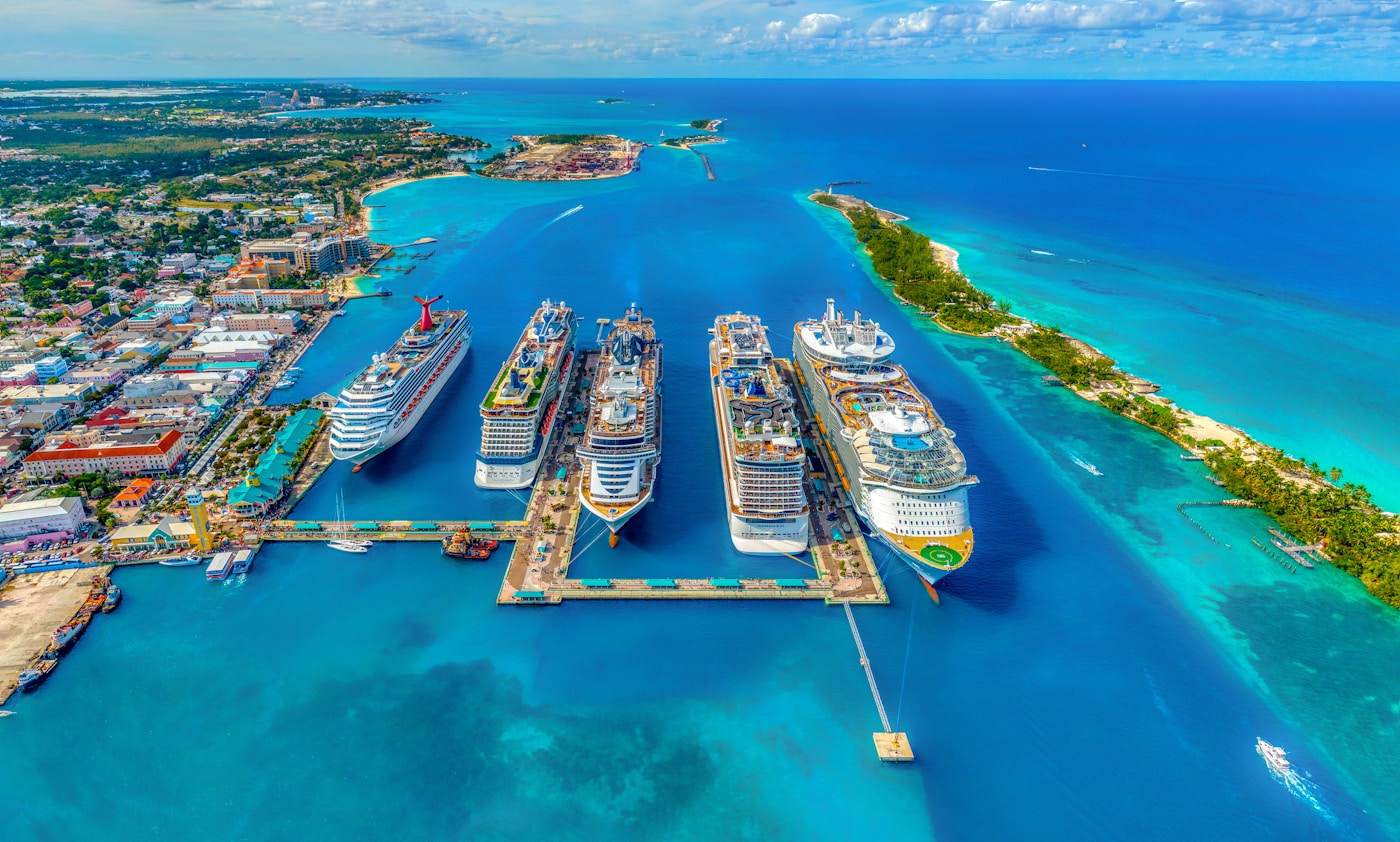
Navigating the world of cruise cabin types can be daunting, but this guide will explain inside, outside, balcony, and suite options to help you choose wisely.
Choosing the right cabin is one of the most crucial decisions you'll make when booking a cruise, impacting everything from your budget to your overall holiday experience. This comprehensive guide will help you understand all the cruise cabin types explained: inside, outside, balcony, and suite, so you can make an informed choice that perfectly suits your needs and budget. Getting this right can truly elevate your journey, ensuring your floating home-away-from-home is just what you envisioned. For more general advice, check out our first-time cruiser guide. Readers sailing with P&O can apply these categories with the 2026 Britannia cabin guide. Ambassador guests can apply these categories with the Ambience cabin decision guide for 2026.
For the next planning decision, see the cruise cabin layout guide guide.
For the related decision, see the cruise cabin types.
Understanding Cruise Cabin Categories: The Basics
Before diving into the specifics of each cabin type, it's essential to grasp the fundamental differences that define them. Cruise lines categorise cabins based on their location, size, and amenities, which directly influences their price. Generally, the more natural light, space, and perks a cabin offers, the higher its cost will be. This tiered structure allows cruisers to select an option that aligns with their holiday priorities and financial plan.
However, your cabin is your sanctuary at sea, and its features can significantly impact your comfort and enjoyment.
Key Factors Differentiating Cabin Types
- Natural Light: This is perhaps the most significant differentiator, ranging from none in an inside cabin to abundant in a balcony or suite.
- View: Whether you have a view of the ocean, a promenade, or simply a wall, impacts the cabin's feel and price.
- Outdoor Space: Balcony cabins and suites offer private outdoor areas, a sought-after feature for many.
- Size & Layout: Cabins vary greatly in square footage and how the space is configured, from compact to expansive.
- Amenities & Perks: Suites often come with exclusive services, priority access, and enhanced in-cabin features.
- Location on Ship: Cabins can be forward, midship, or aft, and on various decks, affecting motion and proximity to facilities.
Inside Cabins: The Budget-Friendly Option
Inside cabins, often referred to as interior cabins, are typically the most affordable option on any cruise ship. They are located in the interior of the ship, meaning they have no windows or portholes to the outside world. While this might sound unappealing to some, they offer several distinct advantages, particularly for budget-conscious travellers or those who prioritise sleep.
Inside cabins are also often centrally located, meaning less walking to amenities.
Pros of Inside Cabins
- Most Affordable: Significant cost savings compared to other cabin types, allowing you to allocate more budget to excursions or onboard spending.
- Excellent for Sleeping: The complete lack of natural light makes for incredibly dark and quiet sleeping conditions, perfect for light sleepers or those who enjoy a lie-in.
- Less Prone to Seasickness (sometimes): Often located on lower decks and midship, which can experience less motion than higher or more extreme ends of the ship.
- Ideal for Active Cruisers: If you plan to spend most of your time exploring the ship or ashore, an inside cabin provides a comfortable base without paying for amenities you won't use.
- Often Central Location: Many inside cabins are situated near elevators and stairwells, offering convenient access to various decks and facilities.
Cons of Inside Cabins
- No Natural Light: Can feel claustrophobic for some, and it's impossible to tell if it's day or night without checking the clock.
- Lack of View: You miss out on scenic sail-aways or waking up to new ports.
- Smaller Size (typically): While not always the case, inside cabins are often among the smallest on the ship.
- No Fresh Air: No ability to open a window or door for fresh sea air.
Outside / Ocean View Cabins: A Glimpse of the Sea
Outside cabins, also known as ocean view cabins, offer the next step up from an inside cabin. The defining feature is a window or porthole that provides natural light and a view of the outside world. These windows are typically sealed and cannot be opened, but they make a huge difference to the feel of the room.
Waking up to the gentle light and seeing the ocean pass by, even through a sealed window, felt much more connected to the sea. They strike a good balance between cost and comfort for many cruisers.
Pros of Outside Cabins
- Natural Light: Brightens the room and helps you maintain a sense of time, preventing that 'casino effect' of losing track of day and night.
- Ocean View: Offers a constant connection to the sea, allowing you to enjoy passing scenery or port arrivals from your cabin.
- More Spacious Than Inside (often): While not always true, many ocean view cabins are slightly larger than their inside counterparts.
- Mid-Range Price Point: A good compromise for those who want natural light and a view without the higher cost of a balcony.
- Less Claustrophobic: The window makes the cabin feel more open and less enclosed.
Cons of Outside Cabins
- Window Cannot Be Opened: You can see the sea, but you can't feel the sea breeze.
- View Can Be Obstructed: Some 'obstructed view' ocean view cabins exist, where lifeboats or other ship structures partially block the view. Always check the deck plan!
- Less Private Than Balcony: While you have a view, it's not a private outdoor space.
- Still No Fresh Air: The sealed window means no direct access to fresh sea air.
Balcony Cabins: Your Private Veranda at Sea
Balcony cabins, also known as veranda cabins, are arguably the most popular choice for many cruisers, and for good reason. They offer all the benefits of an ocean view cabin but with the added luxury of a private outdoor space. This veranda typically includes a small table and chairs, allowing you to enjoy breakfast, a drink, or simply the fresh air and views in privacy.
Sipping coffee while watching the sunrise over Santorini was an unforgettable moment.
Pros of Balcony Cabins
- Private Outdoor Space: The biggest draw! Enjoy fresh air, ocean breezes, and uninterrupted views whenever you wish.
- Enhanced Views: Perfect for scenic cruising, sail-aways, and watching port arrivals and departures.
- More Natural Light: Floods the cabin with light, making it feel more spacious and airy.
- Fresh Air: The ability to open the balcony door for a constant supply of sea air is a huge plus.
- Private Retreat: Offers a quiet escape from the bustling ship, ideal for reading, relaxing, or enjoying a meal al fresco.
- Often More Spacious: Balcony cabins are typically larger than inside or ocean view cabins, both indoors and with the added outdoor area.
Cons of Balcony Cabins
- Higher Cost: Significantly more expensive than inside or ocean view cabins, sometimes double the price.
- Privacy Concerns (sometimes): On some ships, balconies can be overlooked by neighbours or public decks, so check deck plans carefully.
- Weather Dependent: Your balcony may not be usable in inclement weather or very cold climates.
- Safety for Children: Requires extra vigilance with young children due to the open railing.
Suites: The Pinnacle of Cruise Luxury
Suites represent the highest tier of accommodation on a cruise ship, offering significantly more space, luxurious amenities, and often exclusive perks and services. They range from junior suites, which are essentially oversized balcony cabins, to grand, multi-room residences with separate living areas, multiple bathrooms, and expansive balconies.
The sheer amount of space, the dedicated concierge, and access to the Suite Lounge truly elevated the experience. It felt like a boutique hotel at sea, offering a level of comfort and service that is hard to match in other cabin types.
Pros of Suites
- Maximum Space & Luxury: Considerably larger than other cabins, often with separate living and sleeping areas, and higher-end furnishings.
- Exclusive Perks: Priority embarkation/disembarkation, dedicated concierge/butler service, access to private lounges, restaurants, and sundecks.
- Enhanced Amenities: Upgraded toiletries, larger bathrooms, whirlpool tubs, multiple TVs, and sometimes complimentary drinks or speciality dining.
- Priority Services: Often includes priority tender boarding, shore excursion booking, and spa appointments.
- Ultimate Comfort & Privacy: Offers a true 'home away from home' feel with ample room to relax and entertain.
- Expansive Balconies: Many suites feature much larger balconies, sometimes wrapping around the ship's corner.
Cons of Suites
- Highest Cost: Suites are significantly more expensive, often several times the price of a standard balcony cabin.
- Can Be Overkill: If you don't plan to utilise the extra space or perks, the added cost might not be justified.
- Limited Availability: Suites are fewer in number, so they book up quickly, especially on popular sailings.
Specialty Cabins: Beyond the Big Four
While inside, outside, balcony, and suite cover the vast majority of cruise cabins, many modern ships also offer specialty cabin types designed to cater to specific needs or preferences. These often fall within one of the main categories but come with unique features or locations.
These offer balconies overlooking the ship's interior neighbourhoods rather than the ocean.
Examples of Specialty Cabins
- Virtual Balcony Cabins (Royal Caribbean): Inside cabins with a large 80-inch LED screen displaying real-time ocean views, complete with sounds. A clever innovation for those wanting a 'view' without the cost.
- Spa Cabins: Located near the spa, often include special amenities like yoga mats, upgraded toiletries, and complimentary access to thermal suites. Found on lines like Celebrity and MSC.
- Family Cabins: Designed for larger families, these can be inside, outside, or balcony, but feature extra beds, connecting doors, or more spacious layouts. Often located near kids' clubs.
- Solo/Studio Cabins: Specifically designed and priced for single travellers, avoiding the dreaded 'single supplement'. Norwegian Cruise Line is famous for these, often with access to a private lounge.
- Promenade View Cabins: Found on ships like Royal Caribbean's Voyager and Freedom class, these are ocean view cabins with a window overlooking the Royal Promenade, offering a lively people-watching experience.
- Cove Balcony Cabins (Carnival): Located on lower decks, these balconies are partially enclosed by the ship's hull, offering more privacy and protection from the elements, but a slightly more restricted view.
Cruise Cabin Types Explained: Price Comparison 2026
Understanding the price differences between cruise cabin types is crucial for budgeting your holiday. The figures below are illustrative and can vary wildly based on the cruise line, ship, itinerary, sailing date, and how far in advance you book. These prices are for a 7-night European cruise for two adults, as of early 2026, booked approximately 6-9 months out. Remember that prices can fluctuate daily, so always check current deals using resources like our how to save money on a cruise guide.
| Cabin Type | Typical Price Range (per person) | Best For | Our Value Rating |
|---|---|---|---|
| Inside Cabin | £500 – £900 | Budget-conscious, light sleepers, active cruisers | 5/5 ⭐ |
| Outside/Ocean View | £700 – £1,200 | Natural light without the balcony price, scenic routes | 4/5 ⭐ |
| Balcony Cabin | £1,000 – £1,800 | Fresh air, private views, special occasions | 4.5/5 ⭐ |
| Junior Suite | £1,500 – £2,500 | More space, some perks, affordable luxury | 3.5/5 ⭐ |
| Full Suite | £2,000 – £5,000+ | Ultimate luxury, exclusive amenities, special celebrations | 3/5 ⭐ |
As you can see, the jump from an inside to an ocean view is often less dramatic than the leap to a balcony or suite. The 'Our Value Rating' reflects the perceived value for money, considering the typical experience versus the cost. Inside cabins often offer the best value purely on a cost-per-night basis, while balcony cabins frequently hit that sweet spot for overall enjoyment and price. Keep in mind that these are starting prices; high-demand sailings or premium ships will push these figures higher.
Choosing Your Perfect Cabin: Independent Verdict
The perfect cabin for you depends entirely on your priorities, budget, and the specific cruise itinerary. Our advice is always to consider what truly matters to you for this specific trip.
The added cost is worth every penny for the experience.
When Each Cabin Type Is Worth It
- Inside Cabin: Worth it if you're on a tight budget, plan to spend minimal time in your cabin, are a light sleeper who values complete darkness, or on a very port-intensive itinerary where views aren't a priority. Ideal for short breaks or if you're happy to use the money saved on shore excursions or onboard treats.
- Outside/Ocean View Cabin: Worth it if you desire natural light and a view but don't want the higher cost of a balcony. Great for scenic cruises where you appreciate the passing scenery but don't need fresh air, or if you simply want to avoid the 'cave-like' feel of an inside cabin.
- Balcony Cabin: Worth it for most cruisers on longer voyages, scenic itineraries (e.g., Norwegian Fjords, Alaska, Mediterranean), or if you value fresh air, privacy, and a personal outdoor space. Perfect for enjoying breakfast with a view, a quiet read, or a sundowner. In our view, this is the sweet spot for most cruises.
- Junior Suite: Worth it if you want significantly more space than a standard balcony, some elevated amenities, and perhaps a few extra perks, but don't want the full expense of a grand suite. It's a step up in comfort without breaking the bank.
- Full Suite: Worth it for special occasions (honeymoons, anniversaries), if budget is no object, or if you genuinely value the exclusive services, priority access, and expansive living areas. Ideal for those seeking a truly luxurious, pampered experience with a 'ship-within-a-ship' feel.
When Each Cabin Type Is NOT Worth It
- Inside Cabin: Not worth it if you're prone to claustrophobia, need natural light to wake up, or plan to spend significant time relaxing in your cabin.
- Outside/Ocean View Cabin: Not worth it if the price difference to a balcony is minimal (check for deals!), or if your view is heavily obstructed by a lifeboat.
- Balcony Cabin: Not worth it if you're cruising to a very cold destination where the balcony will be unusable, or if you're on a very tight budget and the extra cost means sacrificing essential experiences like excursions.
- Junior/Full Suite: Not worth it if you won't utilise the extra space or the exclusive perks, or if the cost prevents you from enjoying other aspects of your holiday. Paying for a suite just for the square footage when you're rarely in the room is a waste of money.
How to Get the Best Deal on Your Cruise Cabin
Finding the right cabin at the right price is an art form, but with a few strategies, you can significantly increase your chances of securing a fantastic deal.
- Book Early: For popular itineraries, specific cabin types (especially suites and family cabins) sell out quickly. Booking 12-18 months in advance often secures the best 'early bird' pricing and cabin selection.
- Book Last Minute: If you're flexible with dates and destinations, last-minute deals (within 60-90 days of sailing) can offer significant discounts, especially on unsold inventory.
- Consider a Guarantee Cabin: As mentioned, booking a 'guarantee' (e.g., 'guarantee balcony') means you get a cabin within that category but don't choose the specific room number. This can sometimes lead to a free upgrade within the category.
- Travel During Off-Peak Seasons: Avoid school holidays and peak summer months for lower prices. Shoulder seasons (spring and autumn) often offer better value and fewer crowds.
- Utilise a Travel Agent: A good cruise travel agent often has access to exclusive rates, group bookings, and can advise you on the best times to book and potential upgrade opportunities. They know the ins and outs of each cruise line's pricing strategies.
- Look for Repositioning Cruises: These one-way sailings as ships move between seasons (e.g., Europe to Caribbean) often offer longer itineraries at a lower per-day cost, and can be great for trying out different cabin types.
- Sign Up for Cruise Line Newsletters: Be the first to know about sales, promotions, and flash deals. Many cruise lines offer discounts to their loyal subscribers.
Cruise Cabin Types Comparison: Key Differences by Cruise Line
While the basic cabin types remain consistent across the industry, each cruise line puts its own spin on them, affecting size, amenities, and overall feel. Understanding these nuances can help you choose a line that aligns with your cabin preferences.
| Cruise Line | Typical Cabin Features | Unique Offerings | Best For |
|---|---|---|---|
| Royal Caribbean | Modern, well-designed, good storage | Virtual Balconies, Central Park/Boardwalk balconies, Loft Suites | Families, active cruisers, those seeking innovation |
| P&O Cruises | Classic British styling, comfortable, tea/coffee facilities | Single cabins (Azura, Ventura), Conservatory Mini-Suites (Britannia, Iona, Arvia) | British market, traditional cruising, good value |
| MSC Cruises | Contemporary, sleek Italian design, often compact | MSC Yacht Club (ship-within-a-ship suites), interior views on some ships | Families, modern design lovers, good value in Europe |
| Norwegian Cruise Line (NCL) | Freestyle cruising, often bright decor | Studio cabins for solo travellers, Haven suites (ship-within-a-ship) | Solo travellers, flexible dining, luxury suite experience |
| Celebrity Cruises | Stylish, upscale, focus on comfort | AquaClass (spa-focused balcony), Concierge Class (enhanced balcony), The Retreat suites | Couples, luxury seekers, spa enthusiasts |
| Carnival Cruise Line | Fun, vibrant, practical layouts | Cove Balconies, Family Harbour cabins, Havana Cabanas (with private access to pool) | Party atmosphere, families, budget-friendly fun |
As you can see, Royal Caribbean often excels in innovative cabin types like Virtual Balconies, while NCL and P&O are great for solo travellers with dedicated studio cabins. Celebrity and MSC offer fantastic 'ship-within-a-ship' concepts for their suites, providing an ultra-luxury experience. Our advice is to always research the specific ship you're considering, as cabin offerings can vary even within the same cruise line. For example, the new Excel-class ships from Carnival (like Mardi Gras) have much more varied cabin options than their older fleet.
Frequently Asked Questions About Cruise Cabin Types
What is the main difference between an inside and an outside cabin?
The primary distinction is the presence of a window or porthole. An inside cabin, also known as an interior cabin, has no natural light and is typically the most affordable option. An outside cabin, or ocean view, includes a sealed window or porthole, offering natural light and a view of the sea, though it cannot be opened. This makes a significant difference for those who prefer natural light to wake up or simply want to know if it's day or night without checking a clock.
Are balcony cabins worth the extra cost?
Whether a balcony cabin is worth the extra cost truly depends on your personal preferences and budget. For many, the private outdoor space, fresh air, and uninterrupted views of the ocean or port are invaluable, especially on scenic itineraries like the Norwegian Fjords or Alaska. However, if you plan to spend most of your time exploring the ship or ashore, an inside or outside cabin might be a more economical choice.
What are the benefits of booking a suite on a cruise ship?
Booking a suite offers a multitude of benefits beyond just extra space. These often include priority embarkation and disembarkation, dedicated concierge services, access to exclusive lounges and dining areas, and sometimes even butler service. Suites typically feature larger living areas, multiple rooms, and expansive balconies.
Can I upgrade my cabin type after booking?
Yes, it is often possible to upgrade your cabin type after booking, but it's not guaranteed and depends on availability. Some cruise lines offer 'guarantee' cabins where you book a category (e.g., balcony) and the cruise line assigns your specific cabin closer to sailing, sometimes resulting in a complimentary upgrade within that category. You can also proactively contact your travel agent or the cruise line to inquire about paid upgrade opportunities, especially if the sailing isn't full.
What are some common mistakes to avoid when choosing a cabin?
A common mistake is not considering the cabin's location on the ship. Cabins directly above or below noisy areas like the theatre, main dining room, or nightclub can lead to disturbed sleep. Another error is booking a cabin too far forward or aft if you are prone to seasickness, as motion can be more pronounced there. Always check deck plans carefully before booking to avoid these issues.
How much more expensive is a balcony cabin compared to an inside cabin?
The price difference between a balcony cabin and an inside cabin can vary significantly based on the cruise line, itinerary, ship, and time of year. Generally, you can expect a balcony cabin to be anywhere from 30% to 100% more expensive than an inside cabin. For example, a 7-night Mediterranean cruise on Royal Caribbean's Anthem of the Seas might see an inside cabin at around £800 per person, while a balcony cabin could be about £1200-£1600 per person. Always compare prices for your specific sailing, as promotions can sometimes narrow this gap considerably.
Related articles
- First Time Cruise Tips for Beginners UK: Your Ultimate Guide
- How to Save Money on a Cruise UK: Tips & Tricks for 2026
- Best Cabins on a Cruise Ship: Which to Choose?
- Inside vs. Outside Cabin: What's the Difference in 2026?
- Best Balcony Cabin on Royal Caribbean (2026): The Expert UK Guide
- Is a Balcony Cabin Worth It on a Cruise? Independent Guide