What documents do you need for a cruise from the UK?
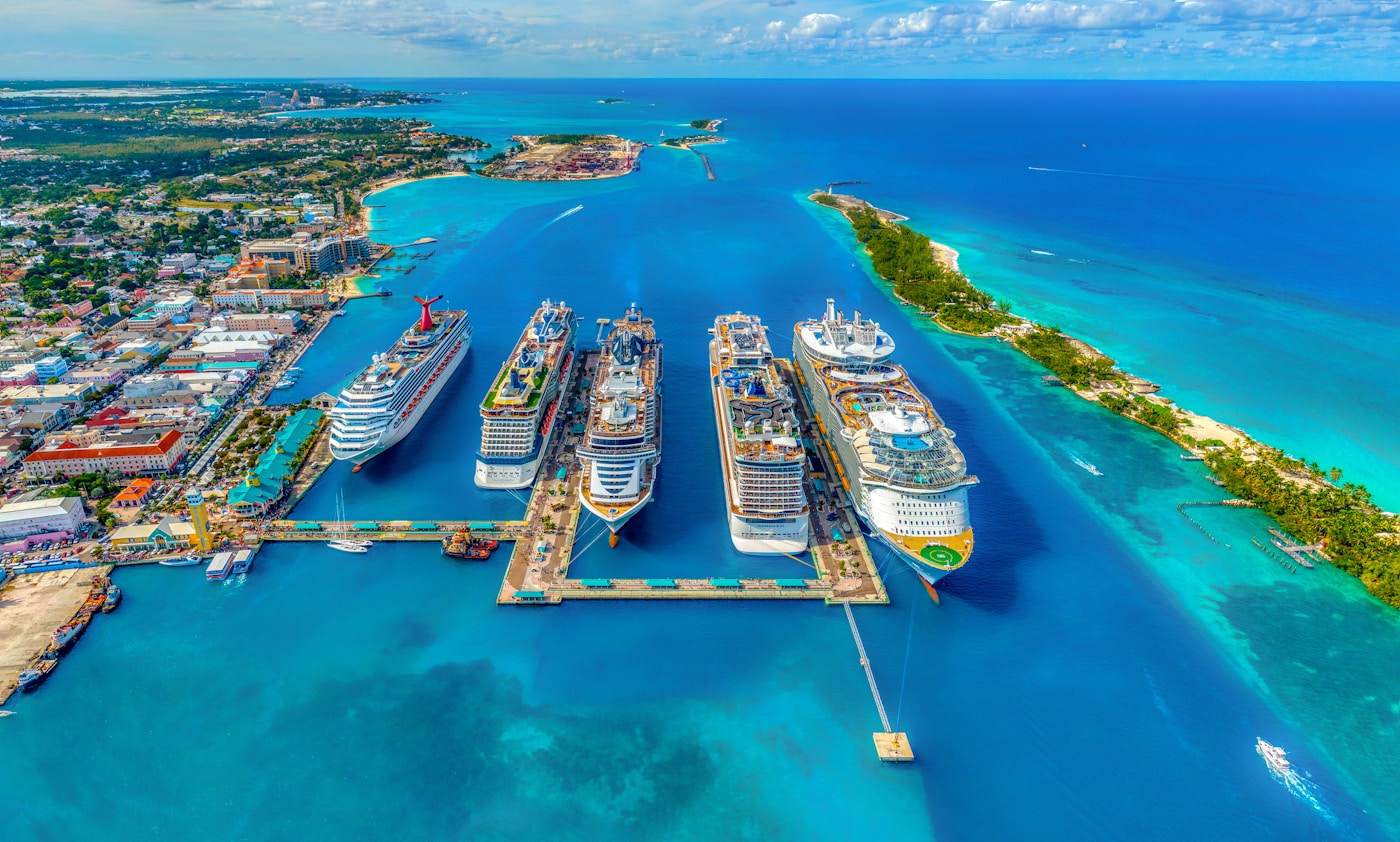
Planning a cruise from the UK in 2026? Here’s the definitive guide to passports, visas, health certificates and every document you may need, with a clear checklist, traveller-type recommendations and official sources to verify before you book.
If you’re asking “what documents do you need for a cruise from UK” in 2026, you’re not alone. The right paperwork depends on your itinerary, nationality, and how you’re travelling to and from the ship. This guide breaks down exactly what most UK-based cruisers will need, where the rules can change, and how to avoid last‑minute stress or unnecessary fees.
Your core document checklist for UK sailings
The documents you’re likely to need revolve around identity, entry permissions and proof of purchase. Objective essentials most travellers should prepare:
- Passport: Valid for the destinations on your itinerary. Many ports require validity beyond your return date; check the official entry rules and your cruise line’s policy before you book.
- Cruise documents: E-tickets/boarding passes, booking confirmation, and any luggage tag printouts or app-based passes used by your line.
- Visas and travel authorisations: Depending on the ports (e.g., US ESTA for calls to the USA; eVisas for India, Australia or New Zealand). Some are required even for day calls by ship.
- Travel insurance evidence: Policy certificate and 24/7 emergency number. Many lines strongly recommend specific cruise cover; some itineraries may mandate adequate medical and repatriation cover.
- Payment methods and proof: Credit/debit card for onboard account set-up; some lines may accept cash deposits—check the policy.
- Health/vaccination proof (if applicable): Only if your destination requires it (e.g., yellow fever for certain regions). Requirements can change; verify close to departure.
- Additional status proof (if applicable): For UK residents who are not British citizens, carry proof of UK immigration status as guided by the Home Office (e.g., digital eVisa or BRP) to facilitate re-entry to the UK.
- Consent letters and birth/adoption certificates for minors where required by the itinerary or border rules.
- Confirm your passport’s issue/expiry and blank pages now; resolve any mismatch with EU/Schengen rules before you pay the final balance.
- Ensure the name on your cruise booking exactly matches your passport. If it won’t match (e.g., recent marriage), arrange a name change with the line and carry supporting documents.
- List every country you’ll visit (including brief technical calls) and check visa/authorisation requirements and deadlines.
- Complete your cruise line’s online check-in and Advance Passenger Information (API) by the stated date.
- Print or download PDFs of boarding passes, insurance, visas, transfers, and pre-booked excursions.
- Store secure digital copies (encrypted or password-protected) and carry paper backups for critical items.
- If flying, check your airline’s document and API rules as well—these can differ from cruise policies.
- Set calendar reminders for any time-sensitive authorisations so they don’t expire mid-cruise.
Do you need a passport for a cruise from the UK?
Editorial assessment: While some UK round-Britain or “no foreign port” itineraries have, at times, allowed British citizens to sail with alternative photo ID, most ex-UK cruises still require a valid passport in 2026. Even where a line advertises a relaxed policy, requirements can change without notice and port calls can be substituted mid-itinerary. A passport remains the most reliable document to board and disembark smoothly. Always verify on the cruise line’s official page for your specific sailing before you commit.
<table><thead><tr><th>Itinerary type</th><th>Typical passport need</th><th>Other documents commonly needed</th><th>Notes to verify</th></tr></thead><tbody><tr><td>UK-only coastal (no foreign ports)</td><td>Usually passport; some lines may accept alternative photo ID for British citizens</td><td>Cruise boarding docs; insurance proof</td><td>Policies vary by line and can change; always check your sailing’s page</td></tr><tr><td>British Isles incl. Republic of Ireland</td><td>Passport for most travellers</td><td>None usually beyond standard API</td><td>Ireland is a separate country; check your line’s requirement</td></tr><tr><td>Norway, Iceland, Faroes</td><td>Passport required</td><td>None typically beyond standard API</td><td>Schengen/Non-Schengen rules and port changes can affect validity requirements</td></tr><tr><td>Western/Eastern Mediterranean (Schengen)</td><td>Passport required</td><td>Check if any pre-travel authorisation is in force in 2026</td><td>Review Schengen passport age/validity rules before booking</td></tr><tr><td>USA/Caribbean (calls in US territories)</td><td>Passport required</td><td>US ESTA (if eligible) or visa; line may require printed approval</td><td>ESTA rules and sea entry policies can change—verify timing</td></tr><tr><td>Canada (ex-UK by sea)</td><td>Passport required</td><td>eTA typically not needed if arriving by ship, but needed if flying via Canada</td><td>Confirm based on your exact air/sea routing</td></tr><tr><td>Australia/New Zealand</td><td>Passport required</td><td>Australia eVisitor/ETA; New Zealand NZeTA incl. IVL (if applicable)</td><td>Required even for cruise ship day calls—check timing and official sites</td></tr><tr><td>India, Sri Lanka, Turkey, UAE</td><td>Passport required</td><td>Often eVisa/ETA or visa on arrival depending on nationality</td><td>Confirm each port’s rules for cruise passengers</td></tr><tr><td>World cruise/Grand voyage</td><td>Passport required</td><td>Multiple visas; check line’s visa vendor guidance</td><td>Start checks many months ahead; requirements differ by nationality</td></tr></tbody></table>
Visas and travel authorisations you may need in 2026
Objective facts: Visa and entry authorisation rules depend on your nationality, journey type (by sea or air), and the countries you visit. They can change at short notice. UK nationals commonly encounter the following on cruises:
- USA: Most British citizens need an approved ESTA to enter the United States by air or sea under the Visa Waiver Program, or a visa if not eligible. Check timing—approvals can take time and are not guaranteed.
- Canada: An eTA is usually required for air entry or transit; if arriving by cruise ship and not flying in/out of Canada, an eTA is typically not needed—but verify for your exact routing.
- Australia: British citizens generally need an eVisitor or ETA; cruise ship day calls still require authorisation.
- New Zealand: The NZeTA is typically required for cruise passengers, and an International Visitor Conservation and Tourism Levy (IVL) may apply.
- India: Many cruise passengers require an e-Visa; port-specific rules apply.
- Sri Lanka, Turkey, UAE and others: ETAs/eVisas or visas on arrival may apply depending on nationality and port.
- Schengen pre-travel authorisation: A system has been planned by the EU; check whether it applies on your travel dates in 2026.
Editorial guidance: Always use official government portals to avoid third‑party mark‑ups. Your cruise line may recommend a visa partner; that can be convenient for complex world cruise itineraries, but compare costs and only pay for services you need.
- United States ESTA: via the official US government portal.
- Canada eTA: via the Government of Canada website.
- Australia eVisitor/ETA: via the Australian Department of Home Affairs.
- New Zealand NZeTA: via Immigration New Zealand.
- India e-Visa: via the Government of India’s official e-Visa website.
- EU/Schengen: confirm passport validity requirements and any pre-travel authorisation on official EU or UK government pages.
- For every port on your itinerary, cross-check with your cruise line’s “Travel documents/Before you sail” page for ship-specific procedures.
Children and young travellers: extra documents
- Passports: Infants and children need their own passports. Check validity and photo requirements early.
- Consent letters: Border staff may ask for a consent letter if a child is travelling with one parent, without parents (e.g., school groups), or with a different surname to the accompanying adult. Include contact details of the non-travelling parent(s) and copies of relevant documents.
- Birth/adoption certificates: Carry originals or certified copies if they help confirm your relationship, especially where surnames differ.
- Visas: Children typically require the same visas/authorisations as adults.
- Medical notes: If a child has medical needs (allergies, carry-on medicines), bring a doctor’s note and keep medication in original packaging.
- 12–16 weeks out: Check passport validity/issue date; renew early if needed. Map every port on your itinerary and list likely authorisations.
- 10–12 weeks: Read your cruise line’s “Travel documents” page for your sailing; confirm minimum validity rules. If you’ll need visas (e.g., India, Australia), note processing windows and appointment needs.
- 8–10 weeks: Book any required visa appointments. Gather photos and supporting documents. If you’re changing your booking name, request it now.
- 6–8 weeks: Complete the cruise line’s online check-in and API. Upload security photos if requested and set your onboard payment method.
- 4–6 weeks: Apply for e-authorisations (ESTA/eTA/ETA/NZeTA) within the recommended time window. Print/save approvals as PDFs.
- 2–4 weeks: Finalise insurance and carry the certificate and emergency number. Print cruise e‑tickets and luggage tags if required.
- 1–2 weeks: Re-check for any late itinerary or policy changes on the cruise line’s website and government travel advisories.
- 24–72 hours: Download offline copies to your phone and cloud, charge devices, and place critical documents in your carry-on.
Domestic and British Isles cruises: the realities behind “no passport needed”
Editorial assessment: Marketing for some UK coastal or “scenic cruising” departures sometimes highlights that a passport may not be required for British citizens. In practice, the safest approach is to carry a valid passport. Weather, operational needs or medical diversions can trigger unexpected foreign calls. Policies also vary across P&O Cruises, Cunard, Marella and others, and may be updated between booking and sailing. Treat “no passport needed” as an exception—not the plan—unless your line explicitly confirms it for your exact voyage in writing.
What major UK lines say (verify for your exact 2026 sailing)
- P&O Cruises: Publishes travel document requirements for each sailing. Many itineraries require a full passport; some domestic cruises have previously allowed alternative photo ID for British citizens. Always check your booking pages and pre-departure emails.
- Cunard: Advises passports for most voyages. Visa advice is provided for world and exotic itineraries via recommended partners. Verify for your ship/itinerary.
- Marella (TUI): Outlines passport and visa requirements in its travel information. Fly-cruises typically require passports aligned with airline rules.
Because policies can change, confirm on the cruise line’s official site before you pay your final balance.
<table><thead><tr><th>Traveller type</th><th>Prepare these documents</th><th>Why this matters</th><th>Our recommendation</th></tr></thead><tbody><tr><td>British citizen on UK-only cruise</td><td>Passport (preferred), cruise e‑ticket, insurance</td><td>Operational changes can add foreign calls at short notice</td><td>Bring a valid passport even if your line indicates alternatives</td></tr><tr><td>British citizen on Schengen/Norway/Iceland cruise</td><td>Passport meeting regional validity rules; cruise docs</td><td>Border checks and passport stamping may occur at ports</td><td>Check EU/Schengen validity rules and verify with your line</td></tr><tr><td>British citizen on USA/Caribbean</td><td>Passport + approved ESTA (or US visa); cruise docs</td><td>US requires advance authorisation even for cruise calls</td><td>Apply for ESTA well in advance; carry printed approval</td></tr><tr><td>British citizen on Australia/NZ</td><td>Passport + Australia eVisitor/ETA; NZeTA (and IVL if applicable)</td><td>Authorisations are required even for day calls</td><td>Use official government portals; note validity windows</td></tr><tr><td>UK resident with non-UK passport</td><td>Passport; visas/authorisations by nationality; proof of UK status</td><td>You must meet both destination and UK re-entry rules</td><td>Carry Home Office status evidence (digital or BRP) as advised</td></tr><tr><td>Family with children</td><td>Passports for all; consent letter if needed; birth certificates</td><td>Border officers may ask for relationship/consent proof</td><td>Prepare a signed consent letter and supporting documents</td></tr><tr><td>Fly-cruise guest</td><td>Passport; airline API; visas; proof of return/onward travel</td><td>Airline rules can be stricter than the cruise line’s</td><td>Check both airline and cruise policies; keep printed itineraries</td></tr><tr><td>Back-to-back or world cruise</td><td>Passport; multiple visas; medical/travel insurance docs</td><td>Ports may require visas for ship-day visits</td><td>Start visa planning months ahead; consider line’s visa partner</td></tr></tbody></table>
Fly-cruises and one-way sailings: extra considerations
If you’re flying to meet or leave your ship, you’re subject to airline and destination border rules as well as cruise line policies. That can mean additional API, stricter passport validity, or transit visas for connecting airports. Keep printed copies of your cruise confirmation and onward/return flights; some airlines ask for proof of onward travel. If your sailing ends in a different country, ensure your return route is supported by any required visas or authorisations.
Health and vaccination records: only if your itinerary requires them
Most UK–Europe cruises in 2026 do not require vaccination records. However, some destinations may still mandate proof for specific diseases (e.g., yellow fever) if you’ve travelled via certain regions. Your cruise line will flag any such requirements during pre-departure, but responsibility for compliance is yours. If you carry prescription medication, bring a copy of your repeat prescription and a GP letter where sensible. Requirements can change; check the latest destination health guidance and your cruise line’s pre-sailing information close to departure.
Travel insurance documents and medical forms
Keep your policy certificate, schedule and emergency contact number accessible. Some lines request medical questionnaires for certain mobility equipment or medical devices; follow their instructions precisely and within deadlines. For peace of mind, carry a summary of medical conditions, allergies and prescriptions. If you book independent excursions, confirm they accept your insurance coverage level. For UK travellers, see our overview of must-have cruise cover points here: Cruise travel insurance: what it must cover.
At the port: what you’ll typically show
At UK terminals such as Southampton, Portsmouth, Liverpool or Tilbury, expect to show your passport (or approved alternative where applicable), cruise e‑ticket/boarding pass, and sometimes a payment card to set up your onboard account if you haven’t done this online. Security photos are often captured during online check-in or at the terminal. Keep medications and documents in your carry-on; you won’t have access to checked luggage until after boarding. For more on terminal flow and check-in windows: Southampton cruise terminals guide and Online check-in with UK cruise lines.
Illustration: A compact folder containing passports, printed e-tickets, visa approvals, insurance certificate, and a backup payment card, placed in a zip pouch ready for security screening.
Lost documents, expired passports, and emergencies
If your passport is lost or expires before sail day, contact your cruise line immediately for guidance; boarding without valid ID is usually not possible. Airlines and cruise lines will not accept police reports in lieu of passports for international travel. If you lose your passport abroad, you may need an emergency travel document from the nearest British embassy/consulate (or your own country’s mission if you’re not a British citizen). This can take time and may not permit all planned ports—travel insurers sometimes cover additional costs if you’ve purchased appropriate cover. Keep digital copies of your passport’s photo page to speed up replacement documentation.
Data privacy: why cruise lines ask for so much information
Cruise lines collect API, passport details and sometimes photos to meet international security and immigration laws, support muster/emergency procedures, and comply with customs requirements. Lines generally outline how they protect and share data in their privacy policies. If you’re uncomfortable providing specific data, ask the line how the information is stored and for how long; declining required data can prevent boarding.
- Passport valid for your itinerary and compliant with regional rules; 2) Any visas/authorisations approved and saved; 3) Cruise e‑tickets, luggage tags and payment card ready; 4) Insurance certificate accessible; 5) Children’s consent letters and supporting documents packed; 6) Digital and printed backups prepared; 7) Re‑checked your cruise line’s official travel documents page the week you sail.
Related planning guides on MyCruiseAdvisor
For deeper planning details, see: Fly-cruise checklist, Cruise packing list (UK edition), and Online check-in with UK cruise lines.
Sources and verification
Always verify on these official pages before you book or travel:
- UK Government: Foreign travel advice and entry requirements – https://www.gov.uk/foreign-travel-advice
- UK Government: Check a passport for travel to Europe – https://www.gov.uk/check-a-passport-for-travel-to-europe
- HM Passport Office: Renew a passport – https://www.gov.uk/renew-adult-passport
- P&O Cruises (UK): Travel documents/Before you sail – https://www.pocruises.com/
- Cunard (UK): Prepare for your voyage/Travel information – https://www.cunard.com/en-gb
- Marella Cruises (TUI UK): Passports and visas – https://www.tui.co.uk/
- US ESTA (official) – https://esta.cbp.dhs.gov/
- Canada eTA (official) – https://www.canada.ca/eta
- Australia eVisitor/ETA (official) – https://immi.homeaffairs.gov.au/
- New Zealand NZeTA (official) – https://www.immigration.govt.nz/nzeta
- India e-Visa (official) – https://indianvisaonline.gov.in/evisa/
- EU travel/ETIAS information – https://travel-europe.europa.eu/etias_en
If your itinerary includes other countries, use their official government portals and your cruise line’s documentation pages for the most current rules.
Frequently Asked Questions
Can I cruise from the UK without a passport in 2026?
Sometimes, specific UK-only itineraries have allowed British citizens to board with alternative photo ID. However, most ex-UK cruises require a valid passport, and policies can change. A passport remains the safest option. Check your cruise line’s official page for your exact sailing before you book.
How much passport validity do I need for a Europe cruise?
For Schengen ports, British passports must be less than 10 years old on the date of entry and have at least three months’ validity after your planned departure from the Schengen area. Other regions have their own rules. Confirm both destination requirements and your cruise line’s policy before paying your final balance.
Do I need an ESTA if my ship only calls at a US port for one day?
If you’re entering the United States by sea and you’re eligible under the Visa Waiver Program, you typically need an approved ESTA even for a short call. If you’re not eligible, you’ll need the appropriate US visa. Requirements can change—always check the official ESTA website and your cruise line’s guidance.
What documents do children need to cruise from the UK?
Children need their own passports for most cruises. Carry a consent letter if a child travels with one parent or without parents, and consider taking birth/adoption certificates—particularly where surnames differ. Children generally require the same visas/authorisations as adults for the destinations visited.
I’m a UK resident but not a British citizen. What should I carry?
Carry your passport, all required visas/authorisations for the itinerary, and proof of your UK immigration permission as guided by the Home Office (e.g., a digital eVisa or BRP if applicable). This helps avoid issues on re-entry to the UK. Verify destination-specific rules for your nationality with official sources.
Are printed cruise tickets required, or will a phone screenshot do?
Many lines accept app-based or digital passes, but port staff may ask to see a scannable code. Printed copies are a sensible backup in case of phone battery or connectivity issues. Follow your cruise line’s instructions and keep at least one paper copy of critical documents.
Will my cruise line arrange visas for me?
Some lines provide guidance or work with visa partners, especially for complex world cruises. However, you’re responsible for being properly documented. Using the official government portals is often the most cost-effective route; for complex itineraries, a trusted visa service may be convenient.
Do I need health or vaccination certificates in 2026?
Most UK–Europe cruises don’t require vaccination proof, but certain destinations mandate documents such as yellow fever certificates depending on recent travel history. Check your itinerary’s health requirements on official government sites and your cruise line’s pre-departure pages shortly before you sail.
Related articles
- Are Marella Cruises Still Going Ahead — Everything You Need to Know in 2026
- Are Marella Cruises Going Ahead: The Complete 2026 Breakdown
- Best Cruise for Couples UK 2026: Expert Picks, Prices, and Insider Tips
- Cruise cancelled? UK passenger rights in 2026
- Best cruise for families with teenagers (UK)
- Best Cruise for Over 50s UK: Adults-Only, No-Fly or Small Ship