How to Avoid Norovirus on a Cruise Ship: Practical UK Guide
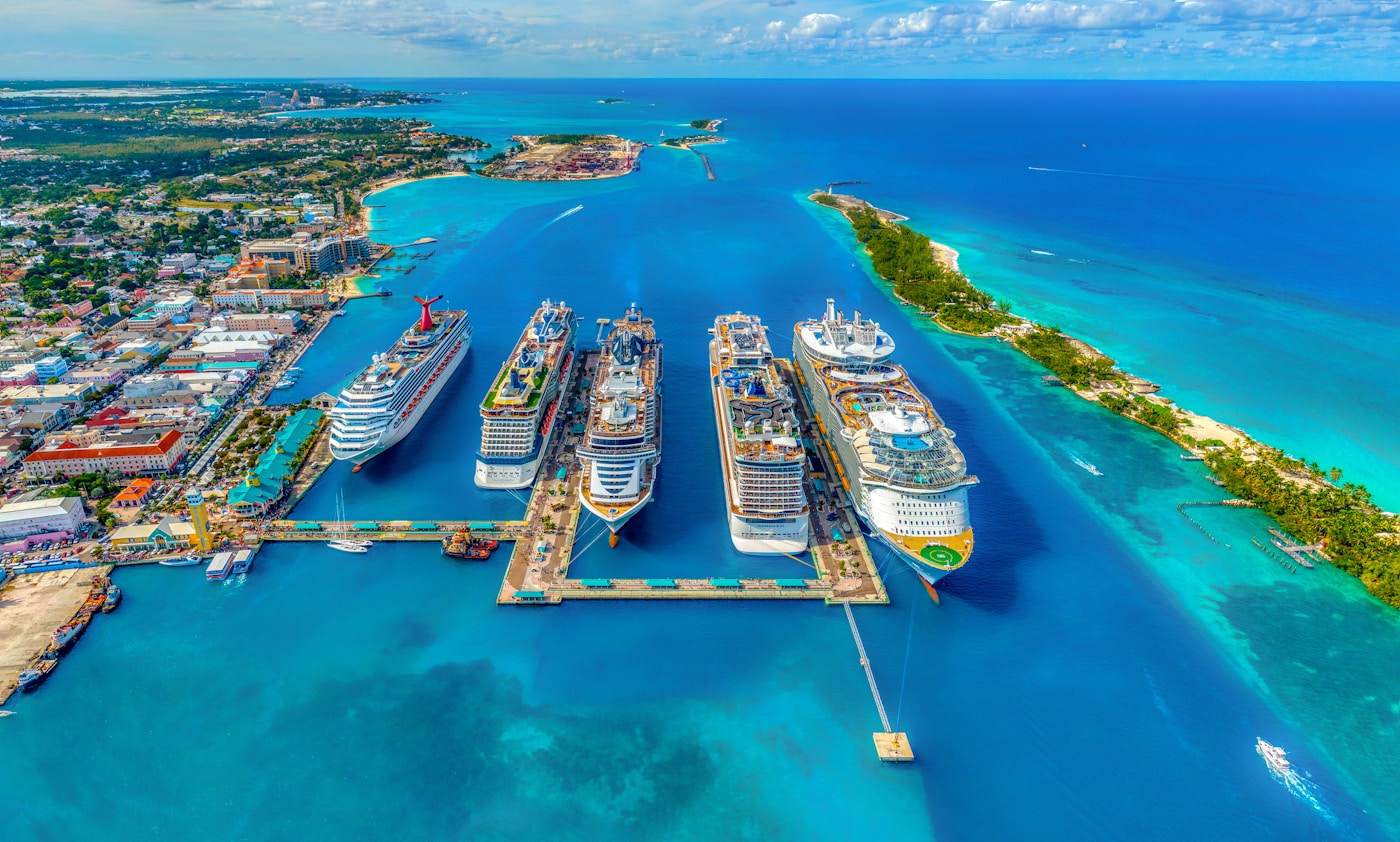
An expert UK guide on how to avoid norovirus on a cruise ship in 2026. Practical hygiene steps, what to pack, and how UK lines like P&O, Cunard and Marella manage outbreaks.
How to avoid norovirus on a cruise ship is one of the top questions for UK passengers planning a holiday at sea. This guide is UK-focused, practical and up to date for 2026 — covering hygiene, onboard policies on P&O, Cunard and Marella, what to pack, travel insurance, and what to do if you fall ill during your cruise.
What is norovirus and why cruises are vulnerable
Norovirus is a highly contagious virus that causes gastroenteritis — vomiting and diarrhoea — and it spreads easily in closed environments. Cruise ships bring lots of people together in shared dining areas, cabins and entertainment venues which can accelerate transmission. The virus can survive on surfaces for days and only a small number of viral particles are needed to infect someone. That said, modern ships have very strong cleaning regimes. In 2026, P&O, Cunard and Marella all publish their outbreak protocols and sanitation standards before departure on their websites.
How norovirus spreads onboard
Transmission routes include direct contact with an infected person, touching contaminated surfaces (door handles, handrails, lift buttons) and consuming contaminated food or water. It can also spread through aerosolised particles during vomiting incidents. Hand hygiene and surface cleaning remain the most important preventative measures.
Incubation is typically 12–48 hours after exposure and symptoms usually last 1–3 days. Common signs are sudden onset vomiting, watery diarrhoea, stomach cramps, mild fever, and fatigue.
Top 10 practical steps to avoid norovirus on a cruise ship
Below are concrete, evidence-based steps you can take before and during your cruise to reduce risk. Many are free or very low cost.
- Wash hands with soap and water for 20 seconds regularly (especially before eating). 2. Use ship-provided hand-washing stations — they’re placed at buffet entrances and public areas. 3. Avoid self-service buffets where possible; choose waiter service or room service. 4. Carry a small bottle of unscented soap and an estimated 60%+ alcohol hand gel for times when soap and water aren’t available (note: gel is supplementary). 5. Wipe down your stateroom high-touch points on embarkation with antibacterial wipes (door handles, remote, taps). 6. Keep your distance from visibly unwell passengers and report symptoms to crew promptly. 7. Avoid sharing drinks, cutlery and electronic devices. 8. Stay up to date with your travel insurance and check quarantine/cancellation cover. 9. Pack rehydration sachets (oral rehydration solution) and anti-diarrhoeal medication like loperamide (Imodium). 10. Consider flexible fares or purchase refundable options if you’re nervous about cancellation costs.
Before you board: planning and preparation
Preparation starts before you set foot on the ship. Booking choices, packing and knowing your rights help you stay safe and save money if plans change.
- Choose cabins away from high-traffic areas if you’re worried (midship and lower decks are usually busier). - Check the cruise line’s norovirus policy and recent health notices on their website in 2026. - Buy a policy that covers medical costs and cruise interruption; a single-trip policy often costs from £20–£50 depending on age and length. - Bring rehydration sachets (approx. £2–£4 for a pack). - Pack two or three disposable surgical masks if you prefer extra protection in crowded indoor areas (optional in 2026).
If you’re especially cautious, a refundable or flexible fare is worth the extra. In 2026, many P&O fares start from around £400 pp on short UK sailings but refundable options or deposits vary; Cunard’s refundable upgrades tend to be pricier. A flexible fare can save you money in the long run if you need to cancel because someone in your household is unwell prior to boarding.
Packing: essentials to reduce risk and manage symptoms
A small first-aid kit with targeted items can remove hassle and save money if you need them on board. Pack items in your hand luggage so they’re available immediately.
<table><thead><tr><th>Item</th><th>Why it helps</th><th>Approx. price in £ (UK, 2026)</th></tr></thead><tbody><tr><td>Rehydration sachets (oral rehydration)</td><td>Prevents dehydration during vomiting/diarrhoea</td><td>£2–£5 for pack</td></tr><tr><td>Imodium (loperamide)</td><td>Helps control diarrhoea, buy per label guidance</td><td>£3–£8</td></tr><tr><td>Antibacterial surface wipes</td><td>Wipe down cabin high-touch surfaces on embarkation</td><td>£2–£6</td></tr><tr><td>Travel-sized soap / hand soap pump</td><td>Soap and water are most effective</td><td>£1–£4</td></tr><tr><td>Alcohol hand gel (60%+)</td><td>Supplementary hand hygiene when water isn’t available</td><td>£1.50–£5</td></tr><tr><td>Disposable surgical masks</td><td>Optional extra barrier for crowded indoor spaces</td><td>£2–£6 per pack</td></tr></tbody></table>
Medications and legal notes
Pack only legally prescribed medicines and over-the-counter items allowed for UK travel. Check dosages and expiry dates. If you need prescription medications, bring a copy of the prescription and keep medicines in their original packaging to avoid issues at ports or with medical staff.
Onboard behaviour that reduces risk
Your day-to-day behaviour on board matters. Crew training and ship systems help, but passengers account for much of the transmission risk. The below habits are simple and effective.
- Wash hands before and after dining and after using toilets — sing 'Happy Birthday' twice (~20 seconds) to time it. - Use napkins or paper towels to touch lift buttons and handrails if you’re concerned. - Eat at table-service restaurants if you can; avoid the start of buffet service when queues and crowding are highest. - Use designated hand-wash stations at buffet entrances. - Keep a small bottle of antiseptic wipes for quick surface cleaning in the cabin. - Avoid close contact (handshakes, hugging) with people who look unwell.
How cruise lines like P&O, Cunard and Marella manage outbreaks (2026)
In 2026 the major UK-facing lines publish clear outbreak and hygiene protocols. Knowing them helps you set expectations before you travel.
<table><thead><tr><th>Feature</th><th>P&O</th><th>Cunard</th><th>Marella</th></tr></thead><tbody><tr><td>Public hygiene stations</td><td>Hand-wash stations at buffet entrances; crew sanitise hourly</td><td>Enhanced hand hygiene stations and visible sanitation teams</td><td>Hand-sanitiser stations and buffet attendants</td></tr><tr><td>Passenger isolation policy</td><td>Typical policy: remain in cabin until 48 hours symptom-free; crew enforce as needed</td><td>Similar 48-hour symptom-free policy; medical team conducts assessment</td><td>48-hour symptom-free guidance with medical oversight</td></tr><tr><td>Medical consultation (approx.)</td><td>Onboard doctor fee approx. £50–£80 per visit</td><td>Doctor fees typically £60–£90</td><td>Medical consultation about £50–£80</td></tr><tr><td>Cleaning protocol</td><td>Daily deep cleans and targeted disinfection during incidents</td><td>High-spec cleaning with focus on cabins and public areas</td><td>Frequent enhanced cleaning during outbreaks</td></tr><tr><td>Refund/cancellation policy after outbreak</td><td>Case-by-case; some compassionate refunds or rebooking offers</td><td>Case-by-case; Cunard often offers onboard credit for affected sailings</td><td>Marella may provide refunds or rebook options depending on circumstances</td></tr></tbody></table>
Policies vary by itinerary and ticket type. Before booking check the line’s 2026 health pages and read the small print about refunds if your sailing is disrupted. For example, in 2026 Cunard sometimes offered onboard credit for short affected itineraries while P&O emphasised rebooking options for affected passengers.
What to do if you (or someone near you) becomes ill onboard
If symptoms appear, immediate action helps contain spread and ensures prompt care.
- Report symptoms to the ship’s medical centre right away — they will advise isolation protocols. 2. Stay in your cabin unless instructed otherwise; most lines ask you to remain isolated until 48 hours after symptoms cease. 3. Follow medical advice about medication and hydration — use rehydration sachets and small, regular sips of water. 4. If you require assistance, use the cabin phone to call room service or medical staff; many lines provide meal delivery for isolated passengers. 5. Keep receipts of any on-board medical costs for insurance claims later. 6. Notify your travel insurance provider as soon as you can.
Onboard medical costs and insurance
Medical care on board is generally private and can include consultation fees and medication costs. Typical consultation costs in 2026 for UK lines are in the £50–£90 range. Always carry travel insurance that covers medical treatment, repatriation and cancellation. If you’re on a budget cruise where the pricing is tight, check whether the cruise line includes a minor consultation in the fare — most do not.
Money-saving tips while protecting your health
Staying safe needn’t be expensive. Small choices protect your health and the purse.
- Buy basic first-aid and rehydration supplies in the UK before travel — often cheaper than ship prices. - Opt for standard travel insurance with good medical cover instead of expensive add-ons you won't use. - Consider a refundable fare only if you’re in a high-risk household; otherwise accept the basic fare and add travel insurance. - Book cabins with balconies if possible — private fresh air helps; sometimes last-minute upgrades are offered onboard at a discount. - Use the ship’s complimentary water stations to refill your bottle rather than buying bottled water at inflated cabin prices.
Bring non-prescription items from UK pharmacies — Imodium, rehydration sachets, paracetamol — rather than buying them onboard where prices are higher. A small pack costs under £10 in the UK but might be double the price on board.
Special considerations for families and vulnerable travellers
Children, older adults and people with weakened immune systems are at greater risk from dehydration caused by norovirus. Extra caution and preparation are sensible for these groups.
- Keep handwashing fun for children — sing a song or use a 20-second timer. - Pack child-friendly rehydration sachets and speak to your GP about safe anti-diarrhoeal use for children. - If you’re travelling with elderly relatives, consider single-occupancy cabins or rooms near medical facilities and notify the cruise line of any mobility/medical needs before boarding. - If a family member becomes ill, follow the ship’s isolation instructions; many lines will deliver meals and medications to your cabin.
Cruise medical facilities — realistic expectations
Modern cruise ships have fully-equipped medical centres capable of stabilising passengers and providing basic medications. They are not full hospitals, and serious cases may require disembarkation and transfer ashore. That’s why comprehensive travel insurance is essential.
Cleaning your cabin on embarkation — a quick routine
Doing a fast clean when you first enter your cabin is a sensible habit and takes 10–15 minutes.
- Wipe down door handles, remote control, light switches, telephone and bathroom tap handles with antibacterial wipes. 2. Sanitize minibar handles and any shared reading materials if present. 3. Place your luggage on the luggage rack rather than the bed while you unpack. 4. Keep a small pack of disinfectant wipes and use them once daily during your cruise.
Dining choices: buffet vs restaurant vs room service
Where and how you eat affects exposure. Buffets are convenient but can be higher risk because they attract crowds and many hands touch shared utensils and surfaces.
If your ticket includes multiple dining options, prioritise waiter-served meals in main dining rooms, speciality restaurants or room service. If you use the buffet, wait until staff have replenished food and use provided hand-wash stations first. On P&O and Marella in 2026, crew frequently serve popular stations to limit shared touchpoints.
When to postpone or cancel a cruise
If you or someone in your household has gastrointestinal symptoms within 48 hours of departure, it's wise to postpone. Most lines will deny boarding to symptomatic passengers to protect others.
Check the fine print. Depending on your fare and travel insurance, you might be able to recoup costs. For example, basic P&O fares are cheaper but have stricter cancellation windows; Cunard's flexible fares are pricier but offer greater refund flexibility. Travel insurance that covers 'sudden illness' typically enables claims for cancellation due to gastrointestinal illness in your household — keep medical evidence and doctor notes.
Anecdote: how quick reporting helped
On a 2025 Mediterranean sailing, a passenger reported symptoms early and the medical team acted. Cabin service was provided and the case remained isolated; no further cases followed. That demonstrated the importance of immediate reporting and the effectiveness of ship protocols when followed.
Post-cruise: what to do if you become ill within a few days of disembarkation
Norovirus can incubate for up to 48 hours, so symptoms sometimes begin after you’re home. If that happens, contact NHS 111 or your GP and tell them you have recently been on a cruise. Notify the cruise line as well — many lines ask passengers to report post-cruise illness for contact tracing and cleaning records.
- Seek medical advice via NHS 111 or your GP. - Do not return to work or community settings until 48 hours after symptoms stop. - Inform the cruise line’s health team via their post-cruise reporting channel. - Keep receipts and medical notes for any insurance claims.
Frequently asked practical scenarios
Refund policy depends on the cruise line and your fare type. In many cases lines offer rebooking, onboard credit or refunds on a case-by-case basis. Always check your ticket terms and speak to the cruise line’s customer service. Travel insurance can fill coverage gaps.
Is hand gel alone enough to prevent norovirus?
No. Alcohol hand gel is less effective at removing norovirus particles than soap and water. Use gel when soap and water aren’t available, but prioritise proper handwashing when you can.
Will my travel insurance cover norovirus-related medical care?
Most standard travel policies covering medical treatment will cover necessary care for norovirus. Check exclusions and excesses; older travellers or those with pre-existing conditions should read policy wording carefully. Notify your insurer immediately if you need care.
Can children be isolated in cabins?
Yes, but it’s often challenging for families. Cruise lines usually allow parents to remain with an ill child but follow isolation guidance and accept cabin meal delivery. Notify the ship’s medical team for advice.
Are pandemic-era protections still in place in 2026?
Many pandemic lessons remain: enhanced cleaning, better training and more visible hygiene stations. However, formal restrictions like mass testing and compulsory masks are generally not in force in 2026; policies differ by operator and itinerary.
If someone has active symptoms close to departure, it’s sensible to postpone. Check your cruise line’s policy and your travel insurance — some policies cover cancellation for household members who fall ill.
Frequently Asked Questions
How long is the norovirus incubation period?
Norovirus incubation is usually 12–48 hours. Symptoms tend to start quickly and often resolve within 1–3 days, though people can shed the virus for a short time after symptoms stop.
Are cruise ships safe from norovirus in 2026?
Cruise ships have much better sanitation and outbreak protocols in 2026 compared to previous decades. That said, any environment with many people has some risk. Following hygiene measures and the ship’s guidance makes cruises relatively safe.
Does hand sanitiser prevent norovirus?
Alcohol-based sanitisers help reduce some germs but are not as effective against norovirus as soap and water. Use gel in a pinch but wash hands thoroughly whenever possible.
What should I pack to treat norovirus symptoms onboard?
Pack oral rehydration sachets, paracetamol, anti-diarrhoeal medicine for adults (like loperamide), basic antiseptic wipes and a thermometer. Keep medications in your hand luggage.
Will I be charged by the ship’s doctor in 2026?
Yes, most cruise lines charge for onboard medical consultations and treatments. Typical consultation fees range from approx. £50–£90 on UK-oriented lines in 2026; medication costs may be additional. Save receipts for insurance claims.
If someone else on the ship is sick, do I need to report it?
You should report any personal symptoms to the medical centre. If you’re aware of someone unwell who hasn’t reported themselves, inform a crew member so they can take appropriate steps to reduce risk for others.
Can I refuse cabin isolation if I feel fine?
If you’ve been identified as a close contact, the ship may request limited movement or monitoring. Refusing may breach ship rules; compliance helps protect all passengers. If you have concerns, discuss them with the medical team calmly.
Where can I read more cruise health guides on MyCruiseAdvisor?
See our guides such as Choosing Travel Insurance, Cruise Packing Checklist and What to Do If You Get Ill On Board for more tips and checklists.
Related articles
- Are Marella Cruises Still Going Ahead — Everything You Need to Know in 2026
- Are Marella Cruises Going Ahead: The Complete 2026 Breakdown
- Best Cruise for Couples UK 2026: Expert Picks, Prices, and Insider Tips
- Is a River Cruise Worth It UK: Honest 2026 Guide
- Best cruise for families with teenagers (UK)
- Best Cruise for Over 50s UK: Adults-Only, No-Fly or Small Ship