Home › Articles › Family Planning
Grandparents taking grandchildren: UK cruise consent 2026
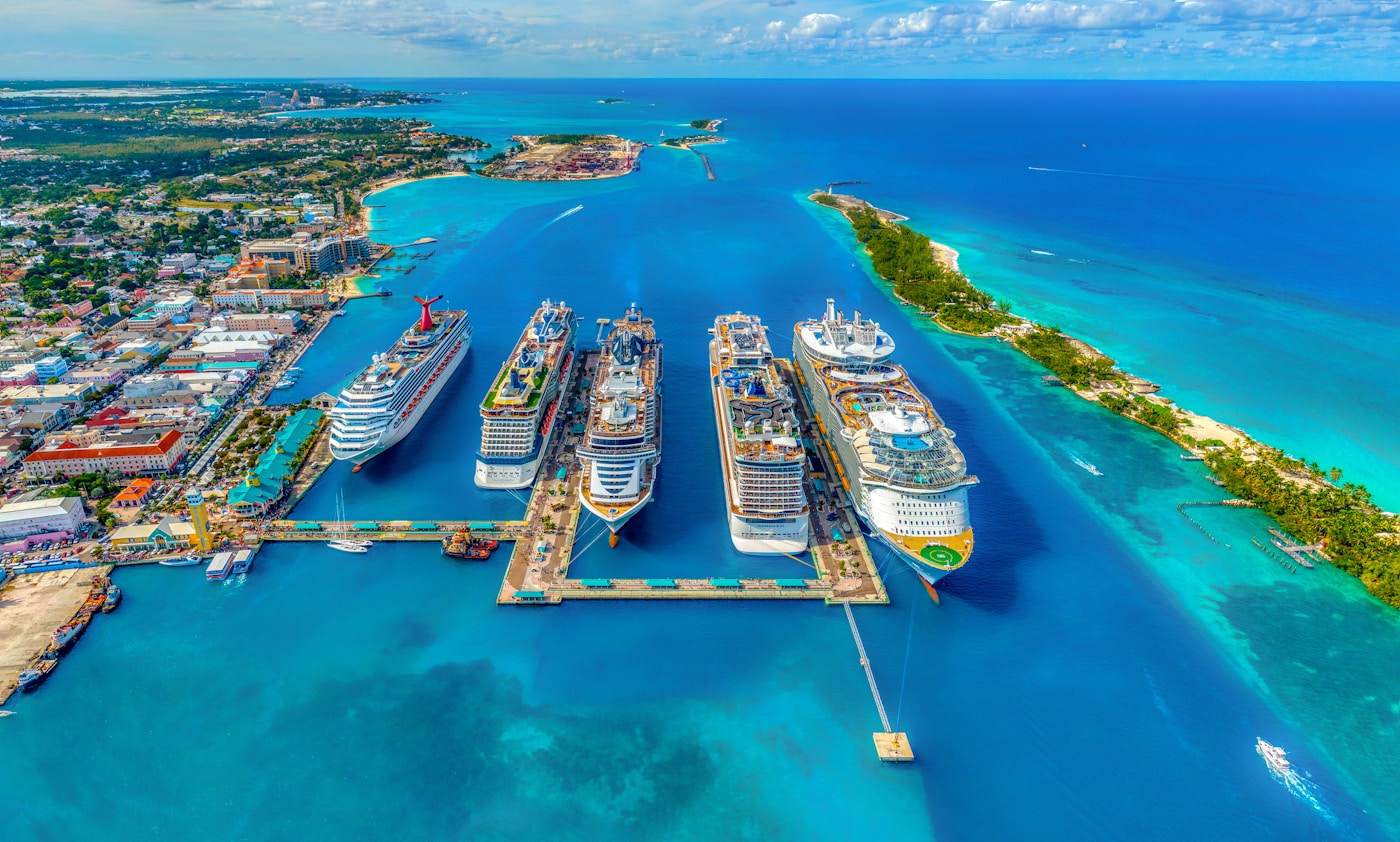
Yes, grandparents can take grandchildren on a cruise from the UK in 2026—but only with the right permission, documents and cruise-line form where required. This guide explains the UK consent letter, how operator rules differ, what to pack for check-in, and how to verify every step before you sail.
Thinking about grandparents taking grandchildren on cruise from UK consent 2026 and wondering what paperwork you need? The short version is: you probably can sail, but you must satisfy three layers before you book or turn up at the terminal—UK parental permission, destination entry documents for the child, and your cruise line’s own minor-traveller policy. This article (updated 14 October 2026) explains each layer in plain English, shows where cruise lines differ, and sets out exactly what to put in a consent letter so you are prepared at check-in.
What’s new and what we checked (14 October 2026)
This page was reviewed on 14 October 2026 against: GOV.UK guidance on taking a child abroad; GOV.UK guidance on child passports; the FCDO’s country pages for destination rules; P&O Cruises’ guidance on travelling with children (including supervision wording); Fred. Olsen Cruise Lines’ Child Travel Consent Form FAQ (including the parent ID copy requirement and the warning about refusal to embark without relevant documents); Royal Caribbean’s current Minor Traveling Without Parent or Legal Guardian form (PDF); and MSC Cruises UK’s terms and travel-document guidance noting it may require authorisation for a minor travelling with a chaperone. Policies can change by sailing, ship and itinerary—recheck official pages immediately before you commit and again before you travel.
- Parental responsibility and court orders: Get written permission from everyone with parental responsibility for the child, and confirm there are no court orders restricting travel. If you cannot obtain consent, seek legal advice and the court’s permission before booking.
- Destinations and documents: List every country on the itinerary (including embarkation, ports of call and disembarkation) and check the latest entry requirements on the FCDO country pages. Confirm the child’s passport validity and whether any visas or immigration forms (e.g., ETA-type authorisations) are required for their nationality.
- Cruise-line policy and forms: Find your operator’s current rules for minors travelling without a parent or legal guardian. Download and complete the exact form it provides (if any). Check whether originals, witnessing or parent ID copies are required.
- Evidence of relationship: Assemble documents that can help at borders and at check-in—such as a birth or adoption certificate—especially if surnames differ.
- Contact the line for edge cases: If there are unusual circumstances (different surnames, special guardianship, medical needs, separated parents), contact the cruise line to confirm what it will accept.
- Pack a check-in folder: Carry the signed consent, required IDs and copies, passports, visas/immigration forms, relationship evidence, travel insurance details and emergency contacts in your embarkation-day hand luggage.
- Build in time: Allow additional time at the terminal for document checks. See our arrival planning guide: How early should you arrive at the cruise port?
UK consent explained: what the law says vs what a cruise line can ask for
GOV.UK says you need permission from everyone with parental responsibility before taking a child abroad. Travelling without it can amount to child abduction. In straightforward family situations a letter is “usually enough” to show permission if a UK or foreign border official asks to see it, and GOV.UK suggests including the parent’s contact details and trip details. It also says evidence of the relationship, such as a birth or adoption certificate, can help. This is the legal background for leaving the UK and entering foreign countries—but it is separate from a cruise line’s boarding conditions, which can be stricter and can vary by operator, itinerary and destination. If you cannot get consent from a person with parental responsibility, the UK guidance is clear: you should seek the court’s permission. This article cannot give legal advice for disputes; if consent is disputed or unclear, speak to a solicitor and contact the operator before you book.
What to put in the parental consent letter
A clear, specific letter helps border officials and cruise staff understand the trip. While the UK government does not mandate a single template, its guidance says the letter should include contact details and trip details. Cruise operators that publish their own forms may ask for particular fields or signature attestations. Where your cruise line does not provide a form, a carefully drafted letter that matches GOV.UK’s suggestions and your itinerary details is often the simplest approach.
- Child’s full name, date of birth and nationality as shown on their passport
- Accompanying adult(s): full names, dates of birth and relationship to the child (e.g., grandparent)
- Trip details: cruise line, ship name, booking reference, embarkation/disembarkation ports and dates, plus a list of countries/ports of call
- Statement of permission: clear wording that the signatory (with parental responsibility) permits the child to travel on the stated cruise under the care of the named accompanying adult(s)
- Parent(s)’ contact details: address, email and phone reachable during the trip
- Copies referenced: indicate if you will provide a photocopy of the consenting parent’s passport or driving licence (if your line asks for it)
- Relationship evidence: note that a copy of the birth/adoption certificate or other evidence is enclosed if helpful (especially where surnames differ)
- Medical note (if advised by the operator): a separate or included statement about routine medical decisions in an emergency, if the cruise line suggests including it
- Signatures and dates: signed and dated by each person with parental responsibility whose consent is required for this trip
Cruise-line rules: what differs and how to verify
Cruise lines set their own boarding rules for children travelling without a parent or legal guardian. These rules can vary by line, ship, itinerary and even by the countries on your route. Below are examples checked on 14 October 2026 to show how requirements can differ. Treat them as operator-specific snapshots, not a cross-line standard, and always verify for your sailing.
<table><thead><tr><th>Operator</th><th>Where to verify</th><th>What the page/form says</th><th>What to bring (examples)</th><th>Boarding risk if missing</th></tr></thead><tbody><tr><td>P&O Cruises (UK)</td><td><a href="https://www.pocruises.com/help-hub/centre/getting-ready-to-sail/travel-requirements-and-documents/what-to-know-about-travelling-with-children" target="_blank" rel="nofollow">Travelling with children</a></td><td>States children need the same travel documents as adults (passport/visas where required). Includes supervision notes (e.g., children under 16 must be supervised by a parent or guardian in specified pool/whirlpool contexts; at least one parent or guardian over 18 must remain onboard while a child is in the children’s club).</td><td>All standard travel documents; if travelling without a parent, confirm directly with P&O what proof of guardianship/consent they require for your sailing.</td><td>Not specified on that page. Always confirm acceptance in writing for your itinerary.</td></tr><tr><td>Fred. Olsen Cruise Lines</td><td><a href="https://www.fredolsencruises.com/faqs/general/do-i-need-a-child-travel-consent-form" target="_blank" rel="nofollow">Child Travel Consent Form FAQ</a></td><td>States a Travel Consent Form is needed if a child under 16 travels with someone who is not the parent/legal guardian or where surnames differ. At check-in, the signed form plus a copy of a parent/legal guardian’s passport or photo driving licence is requested.</td><td>Fred. Olsen Child Travel Consent Form, and a copy of the parent/guardian ID as specified.</td><td>Warns that missing relevant documentation can mean no embarkation.</td></tr><tr><td>Royal Caribbean</td><td><a href="https://www.royalcaribbean.com/content/dam/royal/resources/pdf/minor-traveling-without-parent-or-guardian-form.pdf" target="_blank" rel="nofollow">Minor Traveling Without Parent/Guardian (PDF)</a></td><td>Publishes a dedicated consent form for a minor travelling without a parent/legal guardian. The form includes details for the accompanying adult and is used on applicable itineraries (including Europe). Always use the latest form for your sailing.</td><td>Completed Royal Caribbean form as currently published, plus the child’s travel documents.</td><td>Requirements can change; verify the latest form and terms before sailing.</td></tr><tr><td>MSC Cruises (UK)</td><td><a href="https://www.msccruises.co.uk/terms-conditions" target="_blank" rel="nofollow">UK Booking Terms</a> and <a href="https://www.msccruises.co.uk/travel-documents" target="_blank" rel="nofollow">Travel Documents</a></td><td>UK terms state MSC may require a document signed by parents/legal guardian authorising a minor to travel with a chaperone. Travel-document page holds current passport/visa guidance.</td><td>Authorisation document if requested by MSC; plus passports/visas per itinerary.</td><td>Operator discretion per terms; confirm for your ship and route.</td></tr></tbody></table>
Passports, visas and ports: a UK departure doesn’t override foreign rules
Every child needs the correct travel documents for each country on the itinerary. GOV.UK’s passport guidance reminds families not to book travel until the child’s passport is valid, and under-16 British passports are typically valid for 5 years (check expiry before you book). Some destinations require visas or pre-travel immigration authorisations. Because cruise itineraries can enter multiple jurisdictions, use the FCDO’s country pages to read the entry requirements for every port of call, and check your cruise line’s travel-document page too. Your operator can also deny boarding if your documents don’t meet its policy, even if a border official might otherwise have admitted you—treat the stricter standard as the one to beat.
Start at the FCDO index and search each country you will visit. Pay particular attention to any extra requirements for children, rules around travelling without both parents, and the definition of a “child” in that jurisdiction (which can differ from the UK). Then cross-check your operator’s travel-document guidance for the itinerary. If a consulate page lists additional paperwork for minors, print it and bring it in your folder along with your consent letter.
Different surnames: reduce friction at borders and check-in
If a grandparent and child have different surnames, more questions are likely. GOV.UK suggests bringing evidence of the relationship (for example, a birth or adoption certificate) to make border checks smoother. Fred. Olsen expressly flags different surnames as a trigger for its Child Travel Consent Form and a copy of a parent/guardian’s passport or driving licence at check-in. Even if your line does not publish the same rule, carrying relationship evidence is prudent on any multi-country cruise.
Check-in reality: what happens if the consent or ID is missing?
Cruise lines can refuse boarding if you do not meet their published documentation requirements. Fred. Olsen states clearly that missing relevant documentation can mean no embarkation. Other operators reserve similar rights in their terms. At UK terminals such as Southampton, Portsmouth and Tilbury, check-in teams often verify minor-travel paperwork before issuing boarding passes; if something is missing, they will typically ask you to produce it. There is no guaranteed grace period. The only safe approach is to bring exactly what your operator asks for, plus the GOV.UK-style permission letter and relationship evidence, in your hand luggage.
- Passports for grandparent(s) and each child, valid for the full itinerary
- Visas or immigration authorisations required for any country on the route (for the child’s nationality)
- Cruise-line specific consent form (if your operator publishes one), fully completed and signed as instructed
- GOV.UK-style parental consent letter with all trip details, signed by everyone with parental responsibility
- Copies of the consenting parent(s)’ passport photo page or driving licence, if your cruise line requests them
- Evidence of relationship (e.g., birth/adoption certificate), especially if surnames differ
- Travel insurance documents that clearly name the travelling child and the accompanying adult
- Emergency contact sheet with mobile numbers and email for each parent/guardian
- Medication list, prescriptions and any doctor letters needed for carriage of medicines or medical equipment
- A printed copy of your cruise booking confirmation and the operator’s minor-travel policy page you relied on
Medical treatment authorisation and onboard forms
Grandparents frequently ask whether they can authorise treatment for a grandchild if a parent is not onboard. Operators handle this differently. Some consent forms include wording for a nominated adult; others ask for separate medical authority. Because this is both an operator and a legal issue, do not assume a general letter will be accepted in a medical setting. Ask your cruise line what it expects for your ship and itinerary, and carry any specific wording it supplies. As a back-up, include a brief parent-signed note authorising the accompanying grandparent to make urgent medical decisions during the trip and listing known allergies and regular medications. Keep a copy with the children’s club team if you plan to use onboard childcare, and remember that P&O’s page says at least one parent or guardian over 18 must remain onboard while a child is in the children’s club; confirm whether your status will be treated as “guardian” for supervision purposes before you sail.
Timeline: when to do what so you’re not rushing at the pier
A little structure keeps paperwork calm and costs down. Here’s a realistic planning order that fits most UK family scenarios in 2026.
- 6+ months out: Confirm everyone with parental responsibility agrees in principle. If there’s any doubt, seek legal advice before putting down a deposit. Check the child’s passport validity and apply for a new passport if needed. Read our primer on documents: Cruise passport requirements for UK citizens (2026)
- 4–5 months: Shortlist cruise lines and itineraries. For each, read the operator’s minor-travel policy and any consent form. Email the line’s customer team about your exact family situation (e.g., different surnames) and keep the written reply.
- 3–4 months: Book the cruise only after you are comfortable with the operator’s requirements and the child’s passport timeline. If flying to meet the ship, factor airline rules for unaccompanied minors travelling with relatives.
- 8–10 weeks: Draft the consent letter with full itinerary, names and contacts. If your operator provides a form, complete that instead (or as well if you want a GOV.UK-style backup). Start any visa/immigration applications for the child’s nationality.
- 6–8 weeks: Check NHS travel vaccination guidance and arrange a travel-health consult if recommended. See: How to stay healthy on a cruise ship
- 4–6 weeks: Gather copies of parent ID (if required by your line), relationship evidence, insurance documents and emergency contacts. Print confirmations and policy pages.
- 1–2 weeks: Recheck your line’s policy page and the FCDO country pages for last-minute changes. Assemble your check-in folder and your day bag: Cruise embarkation day bag checklist
- Embarkation day: Arrive with time in hand for documentation checks: How early should you arrive at the cruise port? Keep all originals and copies in your hand luggage.
Health planning for kids on cruises
The NHS advises seeking travel-health advice at least 4–6 weeks before departure. Vaccination needs depend on the destination and sometimes even the region within a country, and children should be up to date with routine vaccinations. Some vaccines are free on the NHS; others are private. A quick pre-trip health check is a useful moment to gather any medication letters you may need, update your allergy list and confirm dosing for seasickness remedies appropriate for the child’s age. Health guidance does not determine boarding or entry rules; treat it as part of your wider preparation alongside passports, consent and cruise-line forms.
Traveller-type recommendations: choose the right next step for your family
Different family set-ups call for slightly different document packs. Use the table below to match your situation to a recommended action plan. This is editorial guidance—your cruise line’s current policy and the destination’s rules always win.
<table><thead><tr><th>Traveller type</th><th>Recommended actions</th><th>Key documents to carry</th></tr></thead><tbody><tr><td>Both parents agree and will sign</td><td>Draft a GOV.UK-style consent letter with full trip details; if your operator has a form (e.g., Royal Caribbean), use that. Verify no extra destination rules for minors.</td><td>Signed consent letter or operator form; passports; visas/immigration forms; relationship evidence (optional but helpful).</td></tr><tr><td>Separated parents, both with parental responsibility</td><td>Obtain written consent from each parent, ideally on the same letter or separate letters that confirm the same trip details. Double-check destination rules for children travelling without both parents.</td><td>Signed letters/forms from each parent; copies of parent ID if your line requests; relationship evidence.</td></tr><tr><td>One parent unavailable or objects</td><td>Do not book until you have resolved consent. Seek legal advice; you may need a court’s permission. Ask the cruise line what it would accept once permission is obtained.</td><td>Court order/permission (if required); cruise-line form; passports/visas; relationship evidence.</td></tr><tr><td>Different surnames</td><td>Follow your line’s policy—Fred. Olsen treats this as a trigger for its form and parent ID copy. Carry relationship evidence regardless of line.</td><td>Operator’s consent form; copy of parent ID (if asked); birth/adoption certificate.</td></tr><tr><td>Multi-country itinerary (Schengen + non‑Schengen, or mixed regions)</td><td>Map every country’s entry rules using the FCDO pages and your line’s travel-document guidance. Leave extra time for any visa/authorisation applications.</td><td>Passports; all visas/immigration authorisations; operator consent form and/or GOV.UK-style letter.</td></tr><tr><td>Using children’s clubs extensively</td><td>Confirm how the line defines “parent or guardian” for supervision rules. Ask whether any extra form is needed for medical decisions or collection permissions.</td><td>Operator consent/medical form (if provided); emergency contact sheet; any allergy/medication notes.</td></tr><tr><td>Toddler or under‑3s</td><td>Packing and routines differ; check age policies and facilities before booking.</td><td>All standard documents; toddler-specific packing list: Cruise with a toddler packing list (UK).</td></tr></tbody></table>
Sources and verification (checked 14 October 2026)
• GOV.UK — Get permission to take a child abroad: https://www.gov.uk/permission-take-child-abroad
• GOV.UK — Get a passport for your child: https://www.gov.uk/get-a-child-passport
• GOV.UK — Foreign travel advice (select each country): https://www.gov.uk/foreign-travel-advice
• P&O Cruises — Travelling with children: https://www.pocruises.com/help-hub/centre/getting-ready-to-sail/travel-requirements-and-documents/what-to-know-about-travelling-with-children
• Fred. Olsen — Do I need a Child Travel Consent Form?: https://www.fredolsencruises.com/faqs/general/do-i-need-a-child-travel-consent-form
• Royal Caribbean — Minor Traveling Without Parent or Legal Guardian (PDF): https://www.royalcaribbean.com/content/dam/royal/resources/pdf/minor-traveling-without-parent-or-guardian-form.pdf
• MSC Cruises UK — Booking Terms and Conditions: https://www.msccruises.co.uk/terms-conditions
• MSC Cruises UK — Travel Documents: https://www.msccruises.co.uk/travel-documents
• NHS — Travel vaccinations: https://www.nhs.uk/conditions/travel-vaccinations/
For broader family-cruise planning context, see our hub: Is cruising a good holiday for families with young children in 2026?
Frequently Asked Questions
Is a parental consent letter legally required for a UK grandparent to take a child on a cruise in 2026?
UK guidance says you need permission from everyone with parental responsibility before taking a child abroad. A letter is usually enough to show permission if asked by UK or foreign border officials. Some cruise lines also make proof of consent a boarding requirement, and their format may differ. Carry a clear, signed letter (or the operator’s form) plus any extra documents your line requests.
Do both parents have to sign if they both have parental responsibility?
If both parents have parental responsibility, the safest approach is to obtain written consent from both. A cruise line may ask for its own form, and some destinations expect evidence that all parents/guardians agree. If consent from a person with parental responsibility is not available, seek legal advice and, if necessary, the court’s permission before you book.
Does the consent letter need to be notarised or witnessed?
UK law does not say a notarised letter is always required. However, some operators and some foreign authorities may require a witnessed or notarised letter, an original (not a copy), or parent ID copies. Only your cruise line and the relevant destination authorities can confirm what will be accepted for your sailing—check and follow their exact instructions.
What should the consent letter include?
Include the child’s full details, the accompanying adult’s details, the cruise line and ship, dates and all ports/countries, a clear statement of permission, contact details for the parent(s) and signatures with dates. If your cruise line asks for a copy of a parent’s passport or driving licence, bring that too. Relationship evidence (e.g., birth certificate) is helpful, especially where surnames differ.
Do children need their own passports for a cruise from the UK?
Yes, children need their own passports. GOV.UK advises not to book travel until a valid passport is in hand. Also check visa or immigration-authorisation needs for each country on the itinerary and for the child’s nationality, via the FCDO country pages and your cruise line’s travel-document guidance.
What happens at check-in if I don’t have the cruise line’s consent form?
Cruise lines can refuse boarding if their documentation requirements are not met. Fred. Olsen’s FAQ explicitly warns that missing relevant documentation can mean no embarkation. Other operators reserve similar rights in their terms. Bring the exact form your line requests, fully completed and signed, as well as the GOV.UK-style consent letter and any parent ID copies or relationship evidence the line asks for.
Can grandparents authorise medical treatment onboard?
That depends on the cruise line’s policy and the situation. Some operators include medical authority wording on their minor-travel consent forms; others may ask for separate authorisation. Ask your cruise line what it requires, and carry that wording signed by the parent(s). Keep a list of allergies, medications and emergency contacts with you and share it with the children’s club team if you plan to use those facilities.
Which rules apply if the cruise visits several countries?
All of them. You must meet entry rules for every country on the route and satisfy your cruise line’s documentation policy. Use the FCDO country pages for each destination and your operator’s travel-document guidance to identify visas or pre-travel authorisations for the child’s nationality. A UK departure does not override foreign requirements.
What if the child and grandparent have different surnames?
Carry evidence of the relationship, such as a birth or adoption certificate. Fred. Olsen treats different surnames as a trigger for its Child Travel Consent Form plus a copy of a parent/guardian’s passport or photo driving licence at check-in. Even if your line does not publish the same rule, bringing relationship evidence makes border and check-in conversations faster.
How far ahead should I arrange travel vaccinations and health advice for a child?
The NHS recommends seeking travel-health advice at least 4–6 weeks before departure. Vaccination needs vary by destination, and children should be up to date on routine immunisations. Health planning sits alongside, not in place of, your legal and document checks for the cruise.