Do You Need Travel Insurance for a Cruise? UK Guide 2026
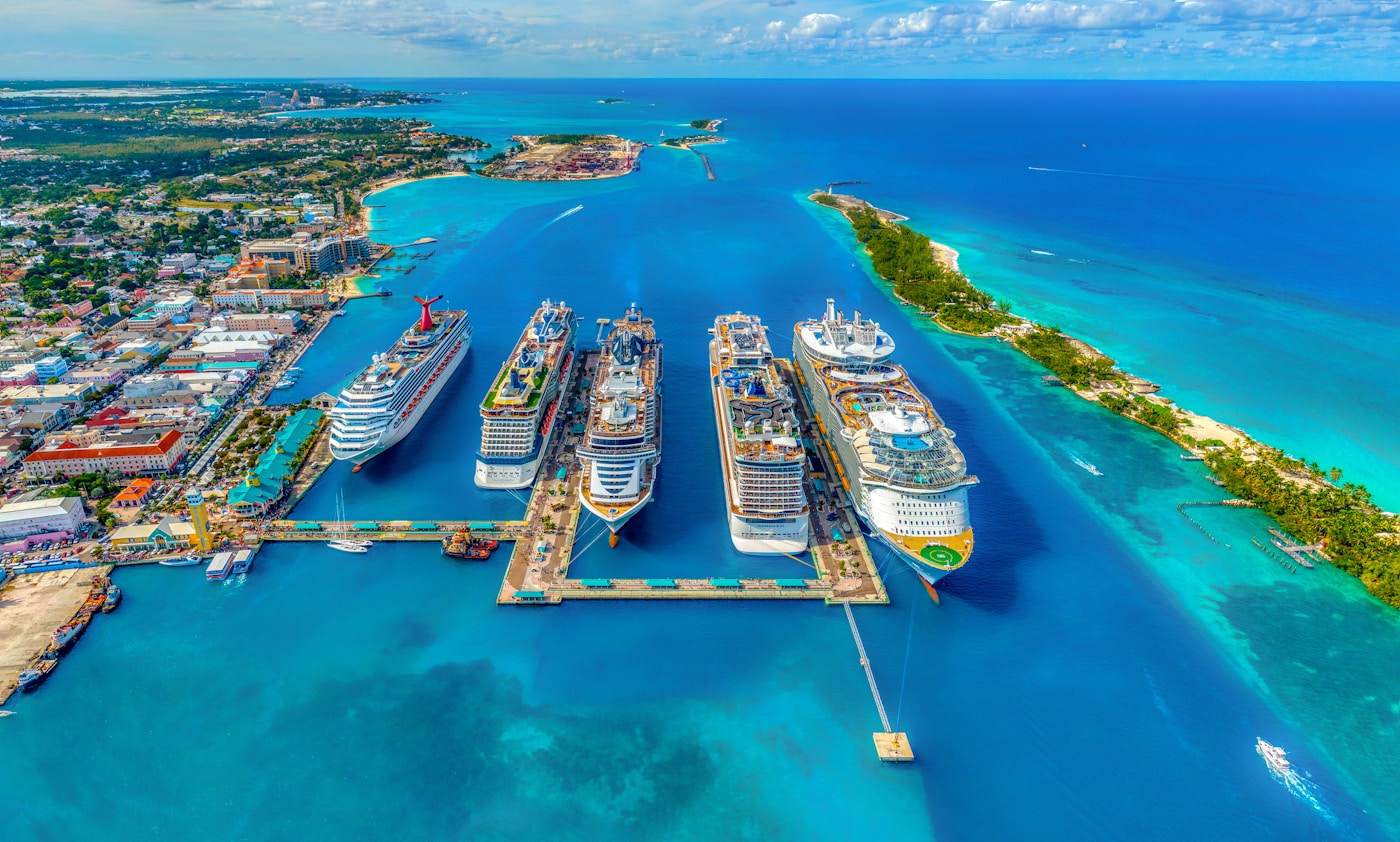
Some lines make it mandatory (e.g., Marella; P&O and Cunard list it as a booking condition), and medical care at sea can be eye‑wateringly expensive. This guide explains what cover you need, typical UK prices in £, line-by-line rules, and real examples to help you buy with confidence.
In 2026, with ships fuller than ever and itineraries stretching from Norway’s fjords to far-flung Pacific islands, a solid policy can be the difference between a minor hiccup and a five-figure bill.
Do You Need Travel Insurance for a Cruise? The UK Perspective in 2026
From a UK standpoint, cruise insurance matters more than a standard beach holiday. You’re moving across multiple jurisdictions, often far from land-based hospitals, and onboard medical centres are private, not NHS. Lines like Marella can ask for proof at check-in, and P&O Cruises and Cunard state you must have appropriate insurance as part of their booking conditions. Even when not explicitly required, the financial risk of sailing without cover is substantial.
Cruise itineraries mix sea days, tender ports, and international waters. That means: private shipboard medical care (often hundreds of pounds just for a consultation), pricey medevac if you need specialist care ashore, and a domino effect if you miss the ship’s departure. Cruise-specific policies add cover for missed ports, cabin confinement due to illness, unused shore excursions, and missed connections—things that bog-standard land policies often exclude.
What Good Cruise Travel Insurance Should Cover
The right policy protects you before you sail (cancellation) and while you’re away (medical, repatriation, disruption). For cruises, make sure the policy explicitly includes cruising or add the ‘cruise’ extension. Don’t assume—check the wording.
- Cruise extension: missed ports, cabin confinement, itinerary change benefits.
- Cancellation and curtailment: at least the full value of your cruise, flights, and pre-paid hotels—often £2,000–£10,000+ per person.
- Missed departure and connections: covers rejoining the ship if flights or rail are delayed.
- Baggage and valuables: around £1,500–£2,500+; check single-item and gadgets limits.
- Travel delay and itinerary change: compensation for long delays or skipped ports.
- Personal liability: usually £1–£2 million.
- Supplier failure: ideally included or added, especially for complex, DIY packages.
- Pre-existing medical conditions: fully declared and accepted in writing.
- Activity cover: for scuba, zip-lines, glacier treks, snowmobiling, etc.
How Much Does Cruise Insurance Cost in 2026?
UK prices vary by age, destination, duration, and medical history. For a healthy traveller in their 40s, a 7-night Med cruise single-trip policy with cruise cover typically runs £30–£45; an annual multi-trip with cruise extension often £60–£95. Caribbean and USA itineraries cost more. Over-65s and those with conditions should budget more, but specialist insurers can still be good value compared with risking a declined claim.
| Traveller & Trip | Single-Trip (Cruise Cover) | Annual Multi-Trip (With Cruise Extension) |
| 40-year-old, 7-night Med | £30–£45 | £60–£95 |
| 40-year-old, 14-night Caribbean (fly-cruise) | £55–£110 | £95–£160 |
| 65-year-old, 7-night Med | £55–£120 | £120–£200 |
| 65-year-old, 14-night Canaries (ex-UK) | £75–£150 | £140–£230 |
| 75-year-old, 7-night Med (controlled BP/cholesterol) | £120–£240 | £220–£450 |
| Family of 4, 7-night Med | £65–£120 | £110–£220 |
If you’re doing two or more holidays in 12 months, an annual policy with cruise cover can be cheaper. Check maximum trip length (often 31–45 days as standard) and that ‘cruise’ is included for all travellers. If you take one big world cruise or a long repositioning, you may need an extended-duration upgrade.
Cruise Line Stances on Insurance (2026 Snapshot)
While the law doesn’t force you to buy insurance, cruise operators set their own conditions. As of 2026: some UK-focused lines require it and may ask for proof; others strongly recommend it. Always verify current terms before you sail.
| Cruise Line | 2026 Position (Summary) | Practical Takeaway for UK Guests |
| P&O Cruises (UK) | States you must have appropriate travel insurance as a booking condition. | Treat as mandatory; carry proof of cover with medical/repatriation limits. |
| Cunard | Similar stance—appropriate insurance required under booking conditions. | Have suitable insurance and be ready to show documentation. |
| Marella Cruises (TUI) | Insurance required; proof may be requested at check-in. | Mandatory—bring your policy certificate and emergency contact details. |
| Royal Caribbean | Strongly recommended; some itineraries/destinations may have additional requirements. | Not generally mandatory, but only travel with robust cover. |
| MSC Cruises | Strongly recommended; certain itineraries can specify minimum cover. | Buy comprehensive cruise cover; check your specific sailing. |
| Princess Cruises | Strongly recommended; may specify for select regions. | Don’t rely on luck—purchase adequate cover. |
| Norwegian Cruise Line (NCL) | Strongly recommended, optional. | Buy independent UK cover with cruise extension. |
| Celebrity Cruises | Strongly recommended, optional. | Comprehensive cover advisable, especially for long-haul. |
- Illness at sea: an onboard medical bill of around £750 could be paid minus your policy excess, with some policies adding a cabin-confinement benefit.
- Missed embarkation due to a UK rail strike: a policy with missed-departure cover could pay for a flight to the next port (about £340) and a hotel night (roughly £120).
- Sprained ankle ashore: a medical visit, X-ray and boot could cost approximately £1,200, usually covered with taxi and prescription costs.
- Heavy weather: if ports are cancelled, a ‘missed port’ benefit (often close to £60 per port, per person) can ease the sting.
- Family emergency at home: mid-cruise fly-back arranged by insurer; covered new flights and unused portion of cruise.
Medical Costs at Sea: The Stark Reality
Shipboard medical centres are well equipped but private. Charges add up quickly, and some destinations (notably the USA/Caribbean) have the world’s highest healthcare costs. Medevac or air ambulance can be jaw-dropping, especially from remote locations like Alaska, the Canaries’ outer islands, or the Norwegian Sea.
- GP-style consultation onboard: £100–£250.
- IV fluids/antibiotics: £300–£900.
- X-ray or ultrasound: £200–£600.
- Overnight in medical bay: £800–£2,000+.
- Shoreside A&E in the USA: £1,000+ just to be seen.
- Medevac helicopter (varies widely): £20,000–£75,000+.
- Business-class repatriation with medical escort: £10,000–£40,000+.
Cruise-Specific Add-ons You Actually Need
Policies labelled ‘cruise cover’ usually add benefits not found on ordinary policies. These protect you from itinerary quirks, norovirus-style outbreaks, and late sailings that lead to missed tours.
- Missed port: cash benefit if weather or operational issues cancel calls.
- Cabin confinement: daily benefit if the ship’s doctor orders you to isolate.
- Unused excursions: refunds for pre-paid ship tours you can’t take due to illness or schedule change.
- Formal night attire delay: some policies pay towards tux/dress hire if bags are late for gala nights.
- Cruise interruption: extra travel to rejoin the ship if you must disembark for medical reasons and later recover.
Pre-Existing Medical Conditions: Declare Properly or Risk a Decline
Declare everything—prescriptions, recent tests, investigations, specialist referrals, and any ongoing conditions. Many UK rivals will cover stable conditions for a modest premium. Get written confirmation of acceptance and any special terms. If your health changes between booking and departure, tell the insurer immediately so your cover remains valid.
Use the medical screening questions to the letter. Provide dates, stability, and medication changes. Sometimes splitting travellers between insurers (e.g., one person needs specialist cover) reduces the overall premium, provided each policy includes cancellation for that person’s share of the trip.
UK Insurers That Commonly Cover Cruises
Most require you to select a ‘cruise’ option/extension—don’t skip that box.
- More generous medical screening for older travellers.
- Higher cancellation limits for world cruises and suites.
- Better missed-connection cover for DIY fly-cruises.
- 24/7 UK-based emergency assistance lines with cruise know-how.
Cover for Over-70s and Over-80s
Premiums do rise with age, but comprehensive cover is still very achievable. Focus on high medical limits, sensible excesses (typically £50–£150), and robust cancellation. Consider annual cover if you sail frequently; otherwise, single-trip can be more economical for one long cruise.
Destinations That Change the Insurance Math
The more remote or expensive the healthcare, the more cover you want. US/Caribbean, Alaska, and Asia-Pacific often merit the highest medical limits. Expedition routes (Arctic/Antarctica) typically require proof of evacuation cover.
- Mediterranean/Canaries: variable port access; shipboard clinics used often. GHIC helps on land in the EU but not at sea.
- USA/Caribbean: highest healthcare costs; choose top-tier medical limits.
- Alaska/Canada: remote ports; weather disruptions common—missed-connection cover vital.
- Middle East: check political/security exclusions.
- Asia: ensure hospital of choice/repatriation flexibility.
- Australia/NZ: reciprocal arrangements exist but are limited—don’t rely on them.
- World cruises/repositionings: check maximum trip length and cancellation caps.
- Antarctica/Arctic: expedition policies may stipulate minimum evacuation cover and pre-trip medical screening.
Policy Wording Traps and Exclusions to Watch
Read the activities list carefully and upgrade if necessary.
- Forgetting to add the ‘cruise’ extension.
- Underinsuring cancellation relative to a pricey suite.
- Not declaring a recent scan or medication change.
- Excess set too high to be useful.
- No cover for missed connections on DIY fly-cruises.
- Excluding gadgets then travelling with an estimated £2k of tech.
- No cover for scuba beyond certain depths.
- Ignoring age limits on annual policies.
- Assuming GHIC covers the ship— it doesn’t.
- Buying after a known strike/storm is announced (no cover for known events).
When to Buy: The Timing That Protects Your Deposit
Buy as soon as you pay your first deposit. From that moment, cancellation cover can protect you if illness, redundancy, jury service, or other insured events force you to cancel. Leaving it until the week before sailing is a false economy if something happens earlier.
Keep all invoices and confirmations—insurers want proof of what you paid and when.
Buying From the Cruise Line vs Independently
Some lines sell their own-brand policies. They’re convenient but not always best value for UK travellers, and cover can vary by underwriter.
| Aspect | Cruise Line Policy | Independent Policy (estimate) |
| Price | Often convenient, not always cheapest | Usually wider choice and competitive |
| Medical limits | Can be adequate, varies by brand | Choose £5–£10m easily |
| Cruise extras | Often included | Select the level you need |
| Flexibility | Linked to booking | Mix-and-match benefits, insurers |
| Claims | Through line’s provider | Direct with UK insurer, often faster for UK docs |
How to Make a Claim Smoothly
In a crisis, the insurer’s emergency line is your first call (after the ship’s medical team). They can approve treatment, coordinate with agents ashore, and guarantee payments. Keep receipts, reports, and written orders from the ship’s doctor.
- Call the emergency assistance number before major treatment or travel changes.
- Get written medical reports and invoices from the ship/clinic.
- Collect port agent and itinerary change letters for missed-port claims.
- Keep boarding passes, delay notices, and receipts for rejoining costs.
- Submit forms promptly; answer queries fully.
- Track excesses and per-item limits; upgrade future cover if you hit caps.
Credit Cards, ABTA/ATOL, and Section 75—Helpful but Not Insurance
ABTA/ATOL and Section 75 can help if a supplier collapses or misrepresents goods, but they won’t pay your medical bills, evacuation, or missed-ship costs. Think of them as financial backstops, not substitutes for travel insurance.
Families and Groups: Getting Everyone Properly Covered
Family policies can be great value, often covering kids free or at reduced cost. Make sure every named traveller appears on the schedule and that each is covered for the cruise element and activities they’ll do. Teenagers on zip-lines and snorkelling? Check activity tiers.
- Ensure cancellation cover matches each person’s share of the trip.
- Check gadget and baggage cover per person, not just per policy.
- Confirm age limits and any conditions for infants/toddlers.
- Align trip length and region for the whole travelling party.
Shore Excursions and Adventure Add-Ons
Royal Caribbean’s zip-lines, MSC’s snorkel trips, Alaska glacier hikes, and Cunard’s kayak tours are trip highlights. Each activity has a risk profile. Verify depth limits for scuba, whether helmets are required for biking, and if your policy excludes certain adventure parks or motorised sports.
Cruise Interruption vs Missed Connection Cover
These are different. ‘Missed connection’ helps you reach the ship at embarkation or rejoin after a flight or rail delay. ‘Cruise interruption’ kicks in mid-voyage if a medical issue or other insured event forces you off temporarily.
Marella’s charter packages simplify disruptions because the flight and cruise are one contract, but your insurance still covers personal costs and medical. If you book DIY flights for Royal Caribbean or MSC, missed-connection cover is vital—choose a policy that pays for new flights, hotels, and transfers to the next port.
Arctic, Antarctic and Expedition Sailings in 2026
These itineraries can require proof of evacuation and medical cover to specific minimums, sometimes stated in USD. Operators may ask for medical questionnaires. Check your policy’s polar/expedition clause—standard cruise cover may not suffice.
COVID-19 and Illness Cover in 2026
While most lines have moved past testing mandates, COVID-19 and other respiratory bugs still circulate. Good policies in 2026 still include cancellation if you’re medically advised not to travel, medical treatment onboard/ashore, and cabin confinement benefits. Read the wording: ‘foreseen events’ and known outbreaks may be handled differently by each insurer.
Pre-Trip Checklist: Insurance Done Right
A 10-minute check now avoids hours of stress later.
- Add the ‘cruise’ extension.
- Set cancellation limit to total trip cost.
- Medical/repatriation at about £5–£10m.
- Declare all conditions and meds.
- Check missed connection and cruise interruption.
- Verify activity cover for planned excursions.
- Add gadget cover if carrying cameras/laptops.
- Check maximum trip length.
- Carry GHIC and insurance docs.
- Save the 24/7 emergency number.
- Note the ship’s medical hours and contact process.
How Much Cover Do You Need? Worked UK Examples
Use these profiles to gauge realistic limits and budget. Always tailor to your own cruise fare and health.
| Traveller | Trip | Suggested Key Limits | Likely Premium (2026) |
| Couple, 40s | 7-night Med ex-Southampton (P&O) | Medical £5–£10m; Cancellation £2,500 pp; Cruise extras | £45–£85 total (single-trip) |
| Family of 4 | 7-night Med fly-cruise (MSC) | Medical £5–£10m; Cancellation £2,000–£3,000 pp; Missed-connection | £90–£160 (single-trip family) |
| Solo, 65 | 14-night Canaries (Cunard) | Medical £5–£10m; Cancellation £3,000–£5,000; Cruise interruption | £75–£150 |
| Couple, 70s | 10-night Caribbean (Royal Caribbean) | Medical £10m; Cancellation £4,000–£6,000 pp; Missed-connection | £180–£350 |
| Expedition guest | 12-night Arctic | Medical £10m; Evacuation explicit; Activity cover for zodiacs | £250–£600 |
Line-by-Line Nuances Worth Noting
- P&O Cruises: Treat insurance as mandatory; bring proof with limits shown.
- Marella (TUI): Proof of insurance commonly requested at check-in for package fly-cruises.
- Royal Caribbean/MSC/Princess/NCL/Celebrity: Strongly recommended; some activities require higher cover (e.g., scuba). Always check your specific sailing notes.
World Cruises and Grand Voyages (2026 Season)
Check maximum single-trip duration on annual policies—often 31–45 days without an upgrade. World cruisers on Cunard, P&O or Princess frequently need extended-duration add-ons and higher cancellation caps, sometimes somewhere around £10,000–£20,000+ per person depending on cabin grade.
ALT: Close-up of a cruise card, UK GHIC, and travel insurance certificate on a ship’s deck table at sail-away.
Final Verdict: Do You Need Travel Insurance for a Cruise?
Yes. In 2026, cruising without proper insurance is an unnecessary gamble. With some lines making it a condition of travel and with shipboard medical costs so high, comprehensive cover is the smartest line item in your holiday budget. Choose high medical/repatriation limits, match cancellation to your total spend, add cruise-specific extras, and declare all medical details. That way, you can relax on deck knowing you’re fully protected.
- Price your cruise policy the same day you book.
- Tick the ‘cruise’ extension.
- Carry printed and digital copies of your policy.
If you’re sailing with P&O, Cunard, or Marella in 2026, assume you’ll be asked for proof—arrive at check-in prepared.
Frequently Asked Questions
Is travel insurance mandatory for cruises in 2026?
It depends on the line. For UK travellers, Marella requires it and can ask for proof at check-in; P&O Cruises and Cunard state that suitable insurance is a booking condition. Others (Royal Caribbean, MSC, Princess, NCL, Celebrity) strongly recommend it. Even when not mandatory, it’s essential for medical and disruption risks.
How much medical cover do I need for a Caribbean or US cruise?
For the Med or Canaries, about £5–£10 million is sensible. Medevac and complex repatriation are expensive, so higher limits provide real peace of mind.
Does GHIC/EHIC cover me on a cruise ship?
No. GHIC/EHIC can help at public hospitals ashore in EU countries, but it doesn’t apply onboard or at private clinics. You still need full travel insurance with cruise cover and should carry your GHIC as a secondary aid when visiting EU ports.
What if I book my flights separately from my cruise?
Choose a policy with ‘missed departure’ and ‘missed connection’ cover. If a flight delay makes you miss embarkation, your insurer can pay for flights, hotels, and transfers to catch up with the ship. Keep all delay notices and receipts for claims.
Will my policy cover shore excursions and activities?
Yes, if the activities are included in your policy’s activity list. Check depth limits for scuba, altitude restrictions for hikes, and exclusions for motorised sports. Upgrade if needed so zip-lines, glacier walks, or kayaking are all covered before you sail.