Can you take a CPAP machine on a cruise ship (UK)?
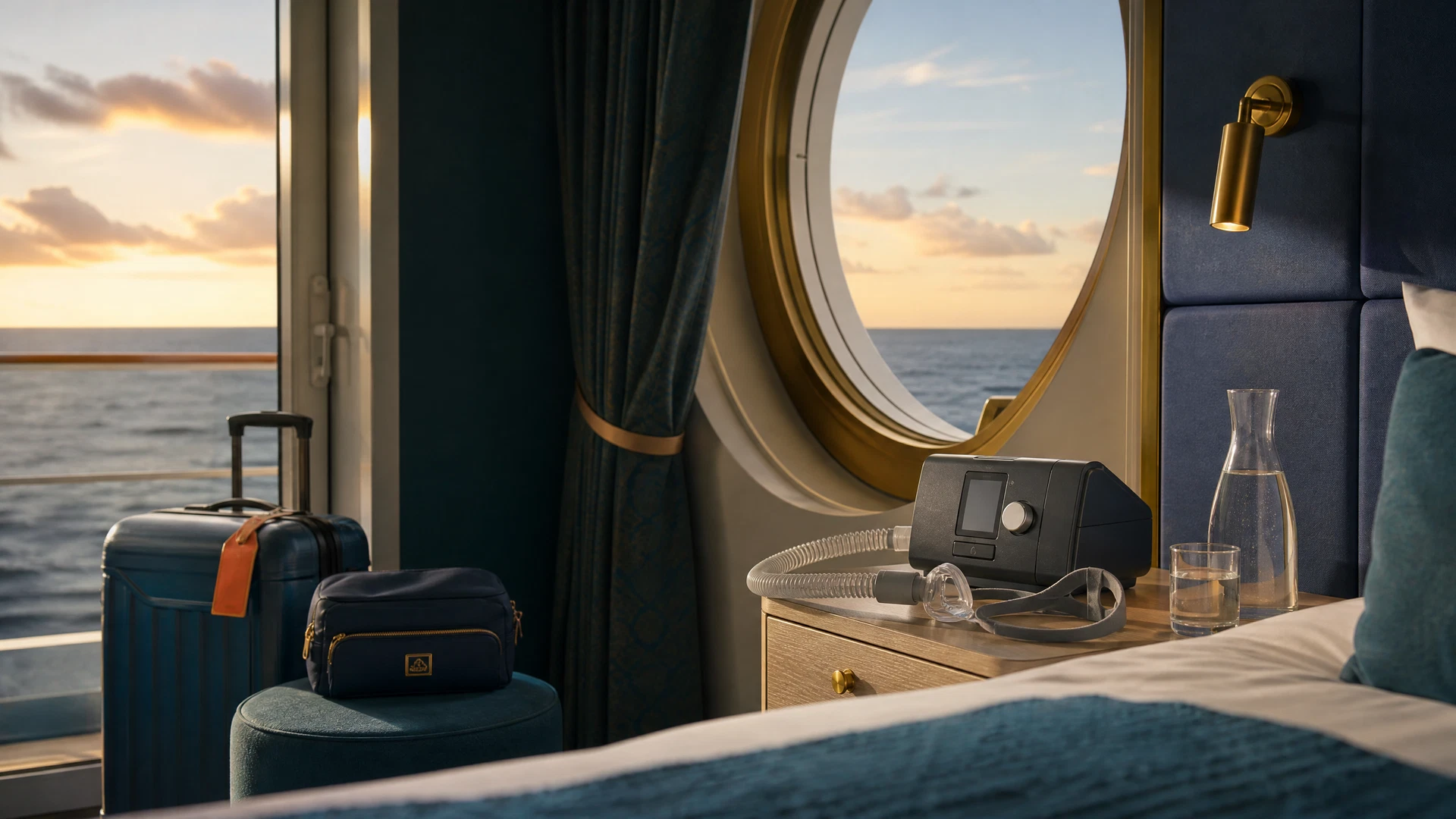
Planning to cruise from the UK with a CPAP in 2026? Here’s how to bring it safely, arrange power and water, notify your cruise line, and avoid common pitfalls.
If you rely on a CPAP machine for sleep apnoea and you’re cruising from the UK in 2026, the good news is straightforward: yes, you can take a CPAP machine on a cruise ship. This guide explains how UK cruisers can pack, power and use a CPAP at sea, what to ask your cruise line before sailing, the realities of distilled water and extension leads, and how to plan for fly-cruises. We focus on UK-favourite lines such as P&O Cruises, Cunard and Marella, and highlight where policies can change so you can double-check with your chosen operator before you book.
CPAPs at sea: the essentials UK travellers need to know
Cruise lines treat CPAP machines as medical devices. That usually means you can bring them in addition to your standard luggage, request reasonable adjustments such as a medical-grade extension lead, and ask about distilled water availability. However, specifics vary by line and even by ship. In 2026, the safest approach is to contact your cruise line’s medical or accessibility team as soon as you book. Many lines provide a medical needs form; completing it early helps the ship prepare items such as a suitable extension lead and to note your CPAP on the manifest. Objective fact: ships have mains power and can often help with an extension lead if requested through the correct channel. Editorial assessment: the most common issues for CPAP users are power socket access, getting distilled water for the humidifier, and avoiding banned household surge-protected extension blocks. Traveller-dependent preference: some guests prefer to run CPAP without humidification for short cruises to skip the water logistics; others value humidification enough to arrange distilled water ahead of time.
Medical device status and UK context
As a medical device, your CPAP should not count against your standard luggage allowance on most cruise lines, but you should still carry it in your hand luggage at embarkation to avoid rough handling and to have it available if cabins aren’t ready. Many UK cruisers sail from Southampton, Portsmouth or other homeports, making it easier to bring items like sealed distilled water compared with fly-cruises; however, you must still comply with the line’s security rules. Verify the current policy for your line in 2026, especially for what can be brought in hand luggage during embarkation.
Power and plugs in cruise cabins: what to expect
Cruise cabins typically offer a mix of socket types. Some UK-focused ships provide at least one UK 3‑pin socket, while many international ships provide mainly European (two‑pin) and/or US (two- or three‑pin) sockets. The mix can vary even within the same fleet. Because CPAPs are sensitive equipment, plan carefully: 1) Bring the correct plug adapters for European and US sockets unless your ship is known to have a UK socket near the bed. 2) Check if your CPAP is dual voltage (most modern units are 100–240V). 3) Ask your cruise line for a medical-grade extension lead if the nearest socket isn’t by the bed. Many lines do not allow personal domestic extension blocks or surge-protected strips. 4) If you need distilled water for your humidifier, ask the line how to request it and whether a fee applies. Always verify on the cruise line’s official website for your specific ship and sailing in 2026.
<table><thead><tr><th>Traveller type</th><th>Best power plan</th><th>Water plan</th><th>Notify the line?</th><th>Our recommendation</th></tr></thead><tbody><tr><td>No-fly UK cruise (e.g., Southampton)</td><td>Ship power + medical extension lead</td><td>Bring sealed distilled water if permitted; or pre-request onboard</td><td>Yes (medical form)</td><td>Easy logistics; carry CPAP aboard in hand luggage</td></tr><tr><td>Fly-cruise (short break)</td><td>Ship power + adapter(s)</td><td>Consider running without humidifier if acceptable to you; else pre-request water</td><td>Yes</td><td>Minimise liquids for flights; confirm adapters and socket layout</td></tr><tr><td>Fly-cruise (long haul)</td><td>Ship power + adapters; optional FAA/IATA-compliant battery if needed ashore</td><td>Pre-request water; avoid carrying large liquids through airports</td><td>Yes</td><td>Check airline battery rules; keep CPAP in cabin bag</td></tr><tr><td>Light packer in inside cabin</td><td>Ship power + medical extension lead</td><td>Pre-request onboard distilled water</td><td>Yes</td><td>Space is tight; a compact travel CPAP may help if approved by your clinician</td></tr><tr><td>Traveller sensitive to dry air</td><td>Ship power near bed</td><td>Use humidifier; arrange distilled water in advance</td><td>Yes</td><td>Confirm water availability and any fees before booking</td></tr><tr><td>Couple sharing with limited sockets</td><td>Ship power + medical extension lead (no surge protection)</td><td>As needed</td><td>Yes</td><td>Request the lead early; do not pack domestic multi-way blocks</td></tr><tr><td>Mobility or accessibility needs</td><td>Accessible cabin often has better layout; confirm power access</td><td>Pre-request water</td><td>Yes (accessibility team)</td><td>Discuss cabin configuration and equipment placement with the line</td></tr></tbody></table>
How to notify your cruise line about your CPAP
Most lines require you to declare medical equipment in advance via an accessibility or medical request form. In 2026, the timelines and forms can differ, but as a rule: complete the form as soon as you book and no later than the deadline on the line’s website. Include your device type, voltage, whether you need a medical extension lead, and if you’ll request distilled water. Keep confirmation emails. If your condition changes before sailing, update the line. For UK lines like P&O Cruises, Cunard and Marella, there are dedicated assistance teams; contact details are published on their official sites. Always verify the current process before booking, as it can vary by itinerary and ship.
- Tell your cruise line about your CPAP via its medical/accessibility form. 2) Ask for a medical-grade extension lead if the socket isn’t by the bed. 3) Confirm socket types on your ship and pack the right adapters. 4) Decide on humidifier use; if using, request distilled water or plan to bring it (for no-fly cruises) in line with security rules. 5) Pack spares: mask cushion, headgear, tubing and filters. 6) Carry the CPAP as hand luggage at embarkation. 7) Bring a copy of your device prescription or GP letter. 8) Check travel insurance covers your condition and device. 9) For fly-cruises, check airline rules for medical devices and lithium batteries. 10) Photograph your device labels (model/voltage) and keep a digital copy.
Distilled water: sourcing it on board and ashore
Many CPAP users prefer or require distilled water for the humidifier chamber. Cruise lines often can supply distilled water on request, sometimes for a fee. Availability, container size, and any charges vary by line and ship, so confirm on the official website or with the medical team before booking. For no-fly UK sailings, you may be allowed to bring sealed distilled water through the terminal; amounts and rules depend on the line and port security. For fly-cruises, you generally cannot carry large liquid quantities through airport security, so consider pre-requesting water from the ship or purchasing it landside after security (if available) at your departure or arrival airport. If distilled water is unavailable, follow your CPAP manufacturer’s advice; some state that bottled or boiled-and-cooled water can be used temporarily. Verify your device’s guidance and consider consulting your clinician before changing routine.
Extension leads, adapters and banned items
Household extension blocks and surge-protected multi-way adapters are commonly prohibited on cruise ships due to fire risk. However, lines can usually supply a medical-grade extension lead if you request it in advance as part of your CPAP declaration. If you bring your own simple travel plug adapters, ensure they are non-surge, high-quality and compatible with your CPAP plug. Avoid daisy-chaining adapters. If in doubt, use only the ship-provided medical extension and your manufacturer’s power supply. Check your line’s current prohibited items list in 2026 before packing.
Flying to your cruise with a CPAP: UK considerations
If you’re flying to join your ship, treat the CPAP as essential medical equipment. Many airlines allow a separate medical device bag, but policies vary by carrier and route. Always check your airline’s official website. Carry the CPAP in your cabin baggage, keep a GP letter or prescription copy handy, and arrive early in case security inspects the device. Lithium batteries must usually go in hand luggage, with protected terminals and within specified watt-hour limits; confirm the rules with your airline well before travel. If you intend to use CPAP in-flight, you’ll need prior airline approval and a compatible battery/inverter setup where permitted. Verify all details with the airline in 2026, as regulations can change.
- Keep lithium batteries in hand luggage with terminals protected.
- Check your battery’s watt-hour rating against your airline’s limit.
- Do not use or charge batteries where prohibited on board the ship.
- If you plan in-flight use, obtain airline approval and seating with power if available.
- Always carry your CPAP in your cabin bag; don’t check it into hold luggage.
Packing your CPAP safely
Use the manufacturer’s carry case to protect the unit and organise parts. Pack spare filters, a backup mask cushion, and an extra hose if you have room—ship shops may not stock CPAP spares. Bring a small microfiber cloth and mild, non-scented wipes for daily cleaning of the mask and exterior surfaces. Keep a sealable bag to isolate any damp components during excursions or disembarkation. Place a printed note inside the case identifying the device as a medical machine with your name and cabin number in case it’s misplaced.
Cleaning on board: practical routine
Daily: wipe the mask cushion and let it air-dry. Every few days: rinse the humidifier chamber and hose with clean water if your manufacturer allows, and air-dry away from direct sunlight. Avoid harsh cleaners and hot ship water that could warp plastic. Always follow your device’s manual.
Insurance and documentation
Declare sleep apnoea and CPAP use to your travel insurer as a pre-existing condition if required by your policy, and confirm cover for the device itself. Keep a GP letter or a copy of your prescription, plus any airline or cruise line approvals, in your hand luggage. If you need to claim for a device issue or a medical consultation on board, the documentation helps. Check policy wording in 2026 and ensure your insurer’s medical screening is up to date before final payment.
Choosing the right cabin if you use a CPAP
Most standard cabins will work for CPAP users, but layout matters. If the bed is far from the nearest socket, you’ll likely need a medical extension lead—request it early. Accessible cabins may offer better clearance around the bed, but availability is limited and they are prioritised for guests with specific needs. If you’re particularly sensitive to noise or vibration, midship cabins on lower decks can be steadier, which some CPAP users find more restful. These are preferences rather than medical requirements; choose what suits your sleep habits and budget, and confirm power access with the line if cabin photos or deck plans are unclear.
Troubleshooting common CPAP problems at sea
Noise: Cabin ambient noise can mask CPAP sound, but if whistling occurs, reseat the mask and check the hose connection. Dry mouth: Increase humidifier setting slightly if you have adequate distilled water, or consider a different mask style as advised by your clinician. Power interruptions: Rare, but if they happen, use your battery backup if you carry one. Salt air and humidity: Keep your device away from open balcony doors and direct sunlight to prevent moisture ingress. If you’re unwell: Seek advice from the ship’s medical centre and decide with them whether to adjust or pause humidification.
If something goes wrong: who to ask on board
Start with Guest Services to request a medical extension lead or to escalate a maintenance request (such as a faulty socket). For health-related questions, visit the medical centre. If you pre-registered your CPAP, the team will have a note on your booking, which speeds up assistance.
UK cruise lines: summary notes and how to verify
P&O Cruises, Cunard and Marella are familiar with CPAP users and typically allow CPAP machines as medical devices. They may supply medical-grade extension leads and can often assist with distilled water requests. Exact processes, charges and deadlines differ by line and ship and can change in 2026. Before booking, visit your chosen line’s official website and search for Accessibility, Special Assistance or Medical Equipment pages, then contact the team listed there. If your itinerary changes ships, re-verify socket availability and any equipment requests.
Final embarkation-day checklist
- Carry your CPAP in hand luggage. • Bring your adapters and any line-approved medical extension confirmation. • If using a humidifier, have your distilled water plan ready (pre-ordered or brought from home for no-fly sailings, if permitted). • Place the CPAP on a stable, ventilated surface near the bed—never on the floor. • Check the unit powers on before bedtime. • Keep your GP letter/prescription accessible. • Make a quick cabin photo of your setup for reference and for housekeeping clarity.
Sources and verification
Always confirm the latest 2026 policies on your cruise line’s official site before booking or packing:
- P&O Cruises (UK): https://www.pocruises.com
- Cunard Line (UK): https://www.cunard.com
- Marella Cruises (TUI UK): https://www.tui.co.uk/cruise/
- Royal Caribbean (UK): https://www.royalcaribbean.com/gbr/en
- Princess Cruises (UK): https://www.princess.com
- Celebrity Cruises (UK): https://www.celebritycruises.com/gb
- MSC Cruises (UK): https://www.msccruises.co.uk
Check each site for Accessibility, Special Assistance or Medical Equipment/CPAP guidance, and use the listed contact details to notify the line about your device.
Frequently Asked Questions
Do cruise lines in the UK allow CPAP machines?
Yes. CPAP machines are treated as essential medical equipment. You should declare the device to your cruise line in advance, request any medical extension lead you may need, and confirm water arrangements if you use a humidifier. Always verify the latest 2026 policy on the line’s official site before booking.
Do I need to tell the cruise line about my CPAP?
Yes. Most lines ask you to complete a medical or accessibility form before sailing. Declare your device, voltage, and any needs such as a medical extension lead or distilled water. Doing this early helps the ship prepare and avoids delays once aboard.
Can I bring distilled water on board from the UK?
For no-fly cruises, some lines allow sealed distilled water to be brought on during embarkation, subject to security rules. Policies vary and can change, so check your line’s current guidance for 2026. For fly-cruises, large liquid quantities usually aren’t allowed through airport security—pre-request water from the ship or purchase it airside/at destination where possible.
Are household extension leads or surge protectors allowed?
Generally no. Many cruise lines prohibit personal surge-protected extension blocks for safety reasons. Instead, request a medical-grade extension lead from the line in advance as part of your CPAP declaration. Verify your line’s prohibited items list before packing.
Will my CPAP work with cruise ship electricity?
Most modern CPAP machines are dual voltage (100–240V) and work worldwide with the correct plug adapter. Check your device label. Pack European and/or US plug adapters for international ships and request a medical extension lead if the socket isn’t near the bed.
What if I don’t have distilled water?
Follow your manufacturer’s guidance. Some allow bottled or boiled-and-cooled water temporarily, though distilled water is generally recommended to minimise mineral deposits. If you can’t source distilled water, consider using reduced humidification after consulting your clinician. Confirm options with your cruise line before sailing.
Can I use my CPAP on the plane to my cruise?
Some airlines permit in-flight CPAP use with prior approval and an appropriate battery or power solution. Policies vary. Check your airline’s official site well before travel, carry your device in hand luggage, and keep documentation handy.
Does travel insurance need to know about my CPAP?
Usually yes. You should declare sleep apnoea and CPAP use as part of medical screening if required by your policy, and confirm cover for the device itself. Review your policy wording and contact your insurer before final payment.
Related articles
- Best Shoes for Cruise Ship Deck Walking: UK Guide
- Can you take a travel kettle on a cruise ship?
- Can you bring a clothes steamer on a cruise ship (UK)?
- Are toiletries provided on cruise ships? UK guide
- Are pool towels provided on cruise ships (UK)?
- Can You Take a CPAP Machine on a Cruise? UK Checklist for 2026