Can you bring walking poles on a cruise ship (UK)?
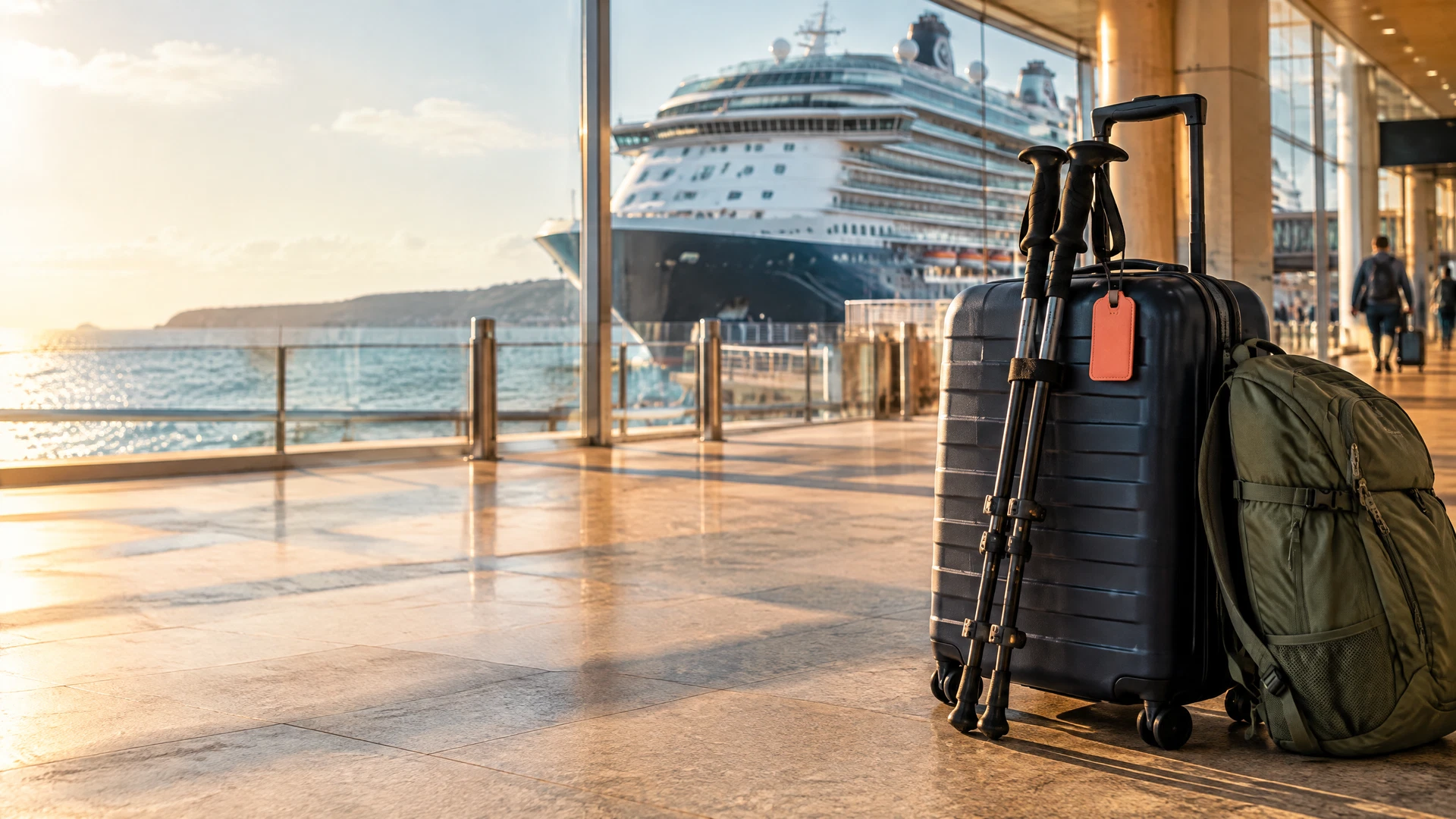
Planning hikes on your next cruise? Here’s what UK travellers need to know about bringing walking/trekking poles on ships in 2026—packing, security, excursions, and when to leave them at home.
If you’re eyeing scenic hikes in the fjords or want extra stability on cobbled streets, you may be wondering: can you bring walking poles on a cruise ship (UK)? The short version is that most cruise lines allow mobility aids and don’t specifically ban trekking poles, but how you pack and use them matters—especially if you’re flying to the port. Policies can change, and ground security has final say, so always double-check your cruise line’s latest “prohibited items” list before you book in 2026.
What cruise lines say (and why wording matters)
UK-focused lines such as P&O Cruises, Cunard and Marella publish “prohibited items” lists, as do global brands popular with UK travellers like Royal Caribbean, Princess and MSC. As at 2026, these lists typically: (1) Explicitly allow mobility aids (e.g., canes) as medical/assistance items. (2) Restrict weapons and some sports gear that could be used as a blunt instrument. (3) Do not always name “trekking poles” specifically. That means your poles may be treated as allowed—especially if you need them for mobility—or as permitted sporting equipment subject to security approval. Practical implication: pack and present them as you would a mobility/stability aid or hiking accessory, not as a martial arts stick or tool, and be prepared to explain their purpose. If in doubt, contact your cruise line’s accessibility or guest services team for written guidance and take that confirmation with you to the port.
Mobility aid vs sporting equipment: why it matters
Security teams differentiate items intended for medical support from general sporting gear. Walking sticks and poles used for mobility are typically acceptable. Trekking poles as hiking equipment also tend to be allowed onboard, but their carriage and use are more likely to be questioned if they’re sharp-tipped, metal-spiked, or used in crowded indoor spaces. The safest approach is to fit rubber ferrules, keep tips covered, and store poles in your cabin when not in use.
- Mobility/stability aid (e.g., you use them instead of or alongside a cane): Usually accepted; declare if asked and keep them with you for embarkation. Consider a brief GP note.
- General hiking gear for shore use: Commonly accepted; pack responsibly and use ashore, not in busy indoor areas. Keep rubber tip protectors on.
- Sporting/impact item (e.g., exposed carbide tips, extra-long fixed poles): More likely to be questioned; use tip covers and pack in checked luggage for fly-cruise routes.
Fly-cruise? Assume poles must go in hold luggage
If you’re flying to your embarkation port, UK airport security and most airlines do not allow trekking or walking poles in cabin baggage because they can be used as blunt instruments. Plan to pack poles in your checked suitcase with protective covers. For no-fly cruises from the UK, you can carry poles to the port in a protective bag; security may X-ray and hand-inspect them.
- Collapse telescopic/tri-fold poles to their shortest length.
- Remove baskets and fit rubber tip protectors; wrap tips in a small towel and secure with elastic bands.
- Place poles diagonally in your suitcase within clothing for padding, or inside a hard-sided case.
- If using a pole bag, cushion the tips and label the bag with your name and cabin number.
- Avoid packing lithium-powered accessories with poles; follow your airline’s battery rules.
- On disembarkation, re-check ferrules and tighten sections before shore use.
Embarkation day: what to expect at cruise terminal security
At UK and international cruise terminals, your bags are X-rayed and you pass through a screening checkpoint. Poles in checked airline bags proceed like normal luggage. If you hand-carry poles to the ship on a no-fly sailing, expect staff to ask what they are and how you’ll use them. Be ready to demonstrate the rubber tips and explain they’re for stability ashore. In most cases you’ll retain them and head to your cabin; occasionally, security may request that you keep tip covers on while moving around the ship.
If security queries or refuses your poles
- Stay calm and clarify their intended use (mobility/stability or hiking on organised excursions). Show rubber tip covers.
- If you rely on poles medically, present a short GP note and ask for a supervisor.
- Ask whether the item can be held by security and collected when you go ashore, if onboard carriage is the issue.
- If refused entirely, request written reasoning and any appeal route via guest services. Ultimately, port security has final discretion.
Onboard etiquette: how to use poles without hassle
Ships are busy environments with children, older guests and staff moving quickly. To avoid accidents and complaints: only use poles for balance when needed indoors, keep tips covered, and never swing or extend them in queues or lifts. On open decks in wet conditions, rubber tips help grip and protect deck coatings. Stow poles flat in your cabin—ideally in the wardrobe or under the bed—not leaning where they can fall in a swell.
- Sensible: gangways, tender platforms, wet outer decks, and when walking to the theatre if you need stability.
- Not sensible: buffet queues, kids’ splash areas, spa/thermal suites, or crowded bars and lounges.
- Always avoid: using bare metal tips on decking or in interior spaces.
Shore excursions: check rules before you step off
Many walking tours and independent hikes welcome poles, but a few guided experiences—particularly in fragile environments—require rubber tips or ask you not to use poles at all. If you’ve booked a ship’s excursion, read the excursion description and confirm with the shore excursions desk once onboard. For independent touring, look up the park or trail guidance for your ports. If you plan to use poles as part of a mobility need, mention this to the excursions team; they can advise which tours are best suited.
<table><thead><tr><th>Traveller type</th><th>Fly or no-fly?</th><th>Why bring poles?</th><th>Main risk</th><th>Our recommendation</th><th>What to do</th></tr></thead><tbody><tr><td>Mobility/stability user (uses poles like a cane)</td><td>Either</td><td>Essential balance and confidence</td><td>Security queries; indoor crowding</td><td>Pack and bring</td><td>Carry a brief GP note; keep rubber tips on; verify line policy before booking</td></tr><tr><td>Keen hiker on port-intensive cruise (e.g., fjords, Canaries)</td><td>Either</td><td>Steep trails, uneven terrain</td><td>Airline cabin ban; shore restrictions on tips</td><td>Bring collapsible poles</td><td>Pack in hold luggage; carry spare ferrules; check excursion rules</td></tr><tr><td>Hand-luggage-only fly-cruise</td><td>Fly</td><td>Space/fees saving</td><td>Poles usually banned in cabin bags</td><td>Leave or hire</td><td>Consider renting at destination or switch to checked bag</td></tr><tr><td>City-break style cruise (mostly flat walking)</td><td>Either</td><td>Light sightseeing</td><td>Rarely needed</td><td>Usually leave</td><td>Bring a single lightweight cane if you sometimes need support</td></tr><tr><td>Travelling with children</td><td>Either</td><td>Occasional hill walks</td><td>Safety in crowds</td><td>Bring only if truly used</td><td>Keep poles folded; use ashore only</td></tr><tr><td>Luxury/formal-leaning lines</td><td>Either</td><td>Elegant indoor spaces</td><td>Etiquette and space constraints</td><td>Bring discreet, folding poles</td><td>Use for gangways and ashore; keep tips covered onboard</td></tr></tbody></table>
Alternatives if you decide not to pack poles
- Rent poles from local outfitters in popular hiking ports (availability varies—check ahead).
- Use a single rubber-tipped hiking cane or a compact walking stick, which packs smaller.
- Choose excursions graded “easy” with paved paths and handrails.
- Trekking glove with palm support plus grippy-soled trainers can add confidence on gentler walks.
Money-saving ideas for UK cruisers
- Avoid last-minute buys in port. Pack spare ferrules and baskets at home—they’re inexpensive online but can be scarce abroad.
- Collapsible aluminium poles are usually lighter and cheaper to replace than premium carbon poles, and they’re fine for most cruise hikes.
- If you’re checking a suitcase anyway, add poles there and skip speciality sports bags.
- Reuse tip protectors from older poles; they often fit multiple brands.
- Book excursions directly with the cruise line if you want certainty on pole acceptance; independents might be cheaper but check their kit rules carefully to avoid a wasted fare.
Packing checklist: poles and add-ons
- Collapsible poles (telescopic or tri-fold)
- Rubber tip protectors (plus one spare set)
- Trail baskets (remove for packing; re-fit ashore if needed)
- Microfibre cloth or towel to wrap tips
- Small elastic bands or Velcro straps
- Lightweight pole bag or wardrobe hook for cabin storage
- GP note if poles are a mobility aid
- Antiseptic wipes to clean tips after muddy hikes (some ports appreciate clean equipment)
- Contact details or printed email from the cruise line if you sought approval
Line-by-line: what to check (and where)
Rather than memorising rules, use each line’s official prohibited-items page and search for terms like “mobility aids”, “walking sticks”, “hiking/trekking poles”, “sports equipment” and “blunt instruments”. If wording is unclear, use the site’s contact form for written confirmation. Links are in Sources below. Keep screenshots or a PDF of any confirmation in case terminal security asks.
<table><thead><tr><th>Cruise line</th><th>Policy page</th><th>What to confirm</th></tr></thead><tbody><tr><td>P&O Cruises</td><td>See Sources</td><td>Mobility aids allowed; treatment of trekking poles; rubber tip advice</td></tr><tr><td>Cunard</td><td>See Sources</td><td>Difference between canes and sports gear; onboard use guidance</td></tr><tr><td>Marella (TUI)</td><td>See Sources</td><td>Any mention of hiking equipment; security discretion</td></tr><tr><td>Royal Caribbean</td><td>See Sources</td><td>Prohibited “sporting goods” vs mobility aids; storage expectations</td></tr><tr><td>Princess</td><td>See Sources</td><td>Blunt object rules; cabin storage expectations</td></tr><tr><td>MSC</td><td>See Sources</td><td>General list of prohibited items; sports equipment wording</td></tr></tbody></table>
Insurance, accessibility and medical notes
If poles are part of your mobility routine, let your travel insurer know you’ll be taking assistive equipment and check baggage cover for loss or damage. Cruise medical centres cannot replace specialised poles, so carry the essentials to keep yours in use (ferrules and tighteners). If you sometimes switch between a cane and poles, a brief GP letter helps smooth security checks and excursion access. Always disclose mobility needs on excursion bookings; the shore team can recommend suitable options.
Clean-up and biosecurity between ports
Some destinations ask guests to avoid transferring soil and seeds between protected areas. After muddy hikes, wipe down pole shafts and clean tip protectors before reboarding. Keep a small zip-bag for used cloths so you don’t transfer grit into your suitcase. Clean equipment is also less likely to be questioned at security.
When to leave poles at home
- You’re on a mostly-flat city itinerary and rarely use them.
- You’re flying hand-luggage-only and don’t want to check a bag.
- Your poles are non-collapsible with sharp, unprotected tips you can’t cover.
- You can comfortably switch to a compact cane for occasional support.
The Cruise Advisor verdict: bring poles when they improve mobility or excursions
- Most guests who genuinely use poles for stability or plan serious hikes should bring collapsible poles with rubber tip protectors.
- Fly-cruise travellers should pack poles in checked luggage; don’t plan on carrying them in cabin bags.
- Keep use considerate onboard; poles are for gangways and ashore, not for weaving through a crowded buffet.
- Always verify your exact ship’s policy and keep a note or screenshot to show terminal staff if asked.
For broader packing strategy, see our UK-focused guides to smart packing and security: UK cruise packing list, What not to pack on a cruise, and Fly-cruise baggage tips.
Sources and verification (official cruise-line pages, 2026)
Always re-check these pages close to your sailing, as policies can change without notice:
- P&O Cruises – Prohibited items and security: https://www.pocruises.com/legal/prohibited-items
- Cunard – Prohibited items/what to pack: https://www.cunard.com/en-gb/the-cunard-experience/what-to-pack/prohibited-items
- Marella Cruises (TUI) – What items can’t I bring on board?: https://www.tui.co.uk/destinations/info/what-items-cant-i-bring-on-board-marella-cruises
- Royal Caribbean – Prohibited items list: https://www.royalcaribbean.com/faq/questions/prohibited-items
- Princess Cruises – Prohibited items (UK site): https://www.princess.com/en-gb/plan/cruise-planning/prohibited-items
- MSC Cruises – Prohibited items: https://www.msccruises.co.uk/manage-booking/embarkation/prohibited-items
If your situation isn’t covered explicitly (e.g., trekking poles not named), contact the line’s accessibility or guest services team and request written guidance.
Frequently Asked Questions
Are walking poles allowed on P&O, Cunard and Marella in 2026?
Their public lists focus on banning weapons and dangerous sporting goods and allowing mobility aids. Trekking poles are not always named. In practice, poles used for mobility or hiking are commonly accepted with rubber tips and sensible use. Because wording can change, check the line’s official prohibited-items page before booking and carry tip protectors.
Can I take trekking poles in my airline cabin bag for a fly-cruise?
Usually no. Airlines and airport security generally treat poles as items that must go in checked hold luggage. Plan to pack them in your checked suitcase with tip covers and padding. Always verify your airline’s current rules for 2026 before travel.
Will security take my poles off me at embarkation?
It’s uncommon if you’ve packed and presented them sensibly, but security has final discretion. Fit rubber ferrules, explain they’re for mobility or hiking ashore, and show any supporting note. If queried, ask whether security can hold them for collection when going ashore.
Can I use walking poles around the ship?
Use them minimally onboard—principally for gangways and open decks when you need stability. Keep tips covered and avoid using poles in crowded indoor areas. Store them flat in your cabin when not in use.
Do I need rubber tip protectors?
Strongly recommended. They protect decks, improve grip on smooth surfaces and are sometimes required on certain trails or excursions. Pack at least one spare pair; they’re small, light and can be hard to find at short notice in port.
What if I rely on poles for mobility?
Treat them as mobility aids: bring a brief GP note, advise the cruise line if you have accessibility needs, and use rubber tips. This usually smooths terminal screening and excursion selection. If an excursion has restrictions, the shore team can suggest alternatives.
Should I pack poles for city-focused cruises?
If you rarely use them, you may not need them for mostly flat city walks. Consider a compact cane for occasional support, or skip poles altogether—especially if flying hand-luggage-only.
Can I rent walking poles in port instead of packing them?
Sometimes, particularly in popular hiking areas, but availability isn’t guaranteed. If renting is your plan, contact local outfitters or your excursion provider in advance and confirm cost, sizes and tip type.