Can you bring a sewing kit on a cruise ship (UK)?
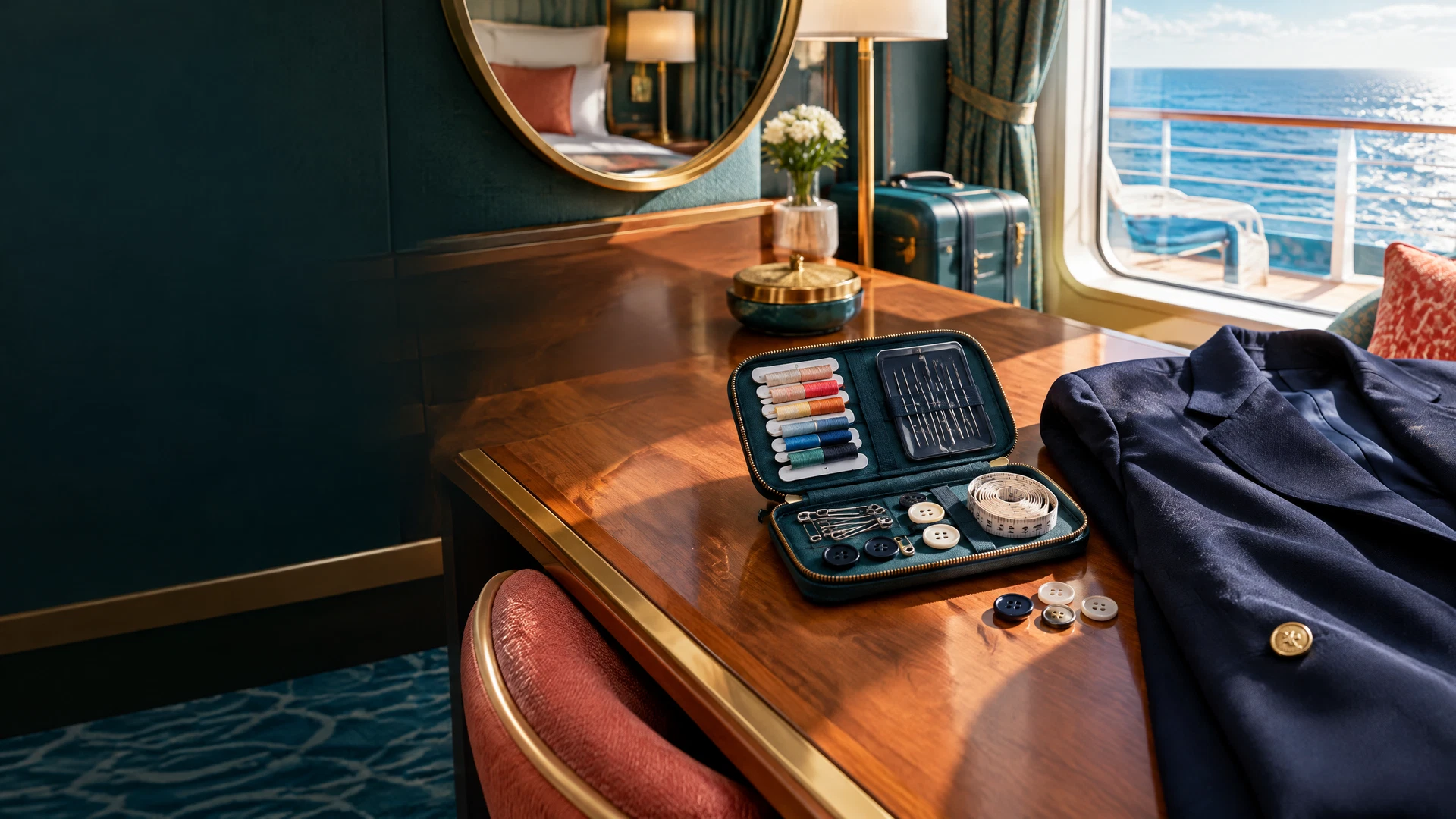
Wondering if you can bring a sewing kit on a UK cruise in 2026? Here’s what UK lines typically allow, how to pack it, and smart fixes if you don’t bring one—plus money‑saving tips and a traveller‑by‑traveller recommendation.
If you’re packing for a sailing from the UK and asking “can you bring a sewing kit on a cruise ship UK?”, you’re not alone. Wardrobe malfunctions happen, and a tiny kit can be a day-saver before formal night. The short version: a simple travel sewing kit is generally fine with most cruise lines serving the UK market in 2026, but small scissors and sharp items are the sticking point. Policies can change, so always check your cruise line’s official prohibited items list before you travel.
What UK cruise lines generally say
Cruise security rules focus on safety. The usual concern isn’t the thread or buttons—it’s blades and sharps. In 2026, major lines serving UK travellers (e.g., P&O Cruises, Cunard, Marella, plus international brands like Royal Caribbean, Princess, MSC and Norwegian) publish prohibited items lists that commonly restrict knives and certain scissors. Sewing kits are rarely called out by name, and simple kits are typically allowed. However, scissors can be flagged if they don’t meet the line’s rules, and oversized or pointed blades are more likely to be confiscated. Because policies can and do change, check your line’s official page before packing and again a week before you travel. If in doubt, remove the scissors and carry only needles, thread, safety pins and buttons. For broader context on items that cruise lines commonly restrict, see What not to pack on a cruise.
- Thread (neutral colours: black, navy, grey, white)
- Spare buttons and shirt studs
- Assorted needles in a secure case
- Safety pins (various sizes)
- Needle threader
- A few straight pins with protective heads
- Small measuring tape
- Fabric tape or hemming tape (no-iron varieties are handy)
- Optional: a seam ripper without a long blade (check your line’s rules)
Where to pack your sewing kit: carry-on vs checked luggage
On embarkation day, many UK cruisers carry a small day bag aboard. Security staff screen these bags and reserve the right to confiscate sharp items not meeting policy. To minimise hassle:
- Put scissors (if you bring them) in checked luggage. This lowers the chance of delays at the scanner.
- Needles and pins are small but sharp; store them in a rigid case and consider packing them checked as well.
- If you prefer to keep a needle and thread handy in your carry-on, bring only one or two needles in a safe case and skip the scissors.
For a broader view of what to keep in your hand luggage, see Carry-on bag for embarkation day.
- Choose a flat, credit-card style kit or a tiny zip pouch that contains parts securely.
- Place needles and pins in a rigid or magnetised needle case that won’t pop open.
- If including scissors, use a small, blunt-tip pair and pack them in checked luggage.
- Wrap the kit in a soft pouch to prevent items working loose.
- Add a note card: “Travel sewing kit – needles secured” in case a security officer inspects your bag.
- If you’re on a fly-cruise, also confirm your airline’s hand baggage rules for sharps before you pack.
Alternatives if you don’t bring one
Even if you skip a kit, you still have options:
- Ask Guest Services or your cabin steward. They may have a few safety pins or a basic kit available on request, subject to availability.
- On-board shops sometimes sell small kits, though availability varies and prices can be higher than on shore.
- Temporary fixes: use safety pins, fashion tape or hemming tape to get through the evening.
- Laundry/pressing: ships typically offer pressing and basic mending on some sailings; services and scope vary by line and ship. Confirm on board before sending items. For more on shipboard garment care, see Laundry on cruise ships.
<table><thead><tr><th>Traveller situation</th><th>Bring a kit</th><th>Rely on ship/alternatives</th></tr></thead><tbody><tr><td>Multiple formal nights or gala evenings</td><td>Yes – pack a micro-kit with spare buttons, dark thread, safety pins</td><td>Possible, but risk of last-minute panic; availability not guaranteed</td></tr><tr><td>Family with kids (uniforms, costumes, quick fixes)</td><td>Yes – safety pins, iron-on/hemming tape, neutral thread</td><td>Some help on board, but DIY is faster and cheaper</td></tr><tr><td>Carry-on only (no checked bag)</td><td>Yes, but omit scissors or check line rules carefully</td><td>Guest Services might help; on-board kits may be pricier</td></tr><tr><td>Minimalist packer / short cruise</td><td>Optional – a few safety pins may be enough</td><td>Use fashion tape and pressing service if needed</td></tr><tr><td>Fly-cruise with tight airline rules</td><td>Pack kit in checked suitcase; confirm airline policy</td><td>Buy a kit in port or onboard if needed</td></tr></tbody></table>
Traveller-specific recommendations
Different cruisers have different needs. Here’s our editorial view on what works best in 2026, but always confirm your line’s current security policy before you pack.
Formal-night cruisers (P&O, Cunard, longer Marella itineraries)
Recommendation: Bring a micro-kit. Include black/dark navy thread, spare buttons, safety pins, and a needle case. Skip scissors or keep a blunt-tip pair in checked luggage. Formal nights elevate the risk of a popped button or hem issue; a tiny kit avoids boutique mark-ups and last-minute stress. For dress code planning, see Formal nights: what to wear on P&O and Cunard.
Families with active days ashore
Recommendation: Pack safety pins, iron-on labels/hemming tape, and a small card of thread. Children’s clothing takes the most knocks; fast fixes save time and money. Keep pins in a snap-shut tin and consider leaving scissors at home.
Fly-cruise vs no-fly (Southampton) travellers
Fly-cruise: Confirm airline rules for sharps in hand baggage and put any scissors in the checked suitcase. No-fly from Southampton: you have a bit more freedom, but port security still screens carry-ons; pack sharps in checked luggage to be safe. For region-specific baggage planning, see Southampton cruise packing tips.
Money-saving and space-saving ideas
A sewing kit doesn’t need to be bulky or pricey.
- Build your own for pennies with a few pre-wound bobbins and a needle case.
- Carry only neutrals (black, navy, grey, white) and ditch novelty colours.
- Replace scissors with pre-cut fashion tape strips; they weigh nothing.
- Re-purpose the kit as a mini-fix bag: add a couple of blister plasters and a safety pin.
- If you forget your kit, compare on-board shop prices with a pharmacy or supermarket in your next port—shore prices are often lower. For wider packing efficiencies, see our UK cruise packing checklist.
What happens at security if your kit is questioned?
Security teams make final decisions. If an item is flagged, it may be temporarily confiscated and returned at the end of the cruise, or retained if it breaches policy. Cooperate, and don’t argue in the screening area. If you genuinely need something (e.g., for medical reasons), disclose it proactively and carry documentation. For non-medical items like sewing scissors, be prepared to proceed without them.
Loose needles and pins are a hazard for cabin stewards and other guests. Store sharps in a secure container and dispose of broken needles responsibly—ask Guest Services how they’d like you to handle disposal. Never leave pins on countertops or beds, and keep kits away from children. Magnetic needle cases reduce the chance of lost sharps.
Suggested micro-kit packing list (UK travellers, 2026)
Keep it tiny and policy-friendly:
- 1–2 sewing needles in a rigid case
- 2–3 pre-wound bobbins (black, navy, white)
- 4–6 safety pins (mix of small and medium)
- 2 spare shirt buttons + 1 trouser/waistband button
- Needle threader
- Hemming or fashion tape (pre-cut tabs)
- Optional: blunt-tip mini scissors in checked bag only (verify policy)
Pack this pouch inside checked luggage; keep only a couple of safety pins and tape tabs in your day bag.
<table><thead><tr><th>Need</th><th>Likely place to ask</th><th>Notes</th></tr></thead><tbody><tr><td>Emergency button replacement</td><td>Guest Services / Cabin Steward</td><td>They may provide a basic kit or do a quick fix if time allows; not guaranteed</td></tr><tr><td>Pressing a suit/dress</td><td>Ship’s laundry/valet (if available)</td><td>Fees apply; turnaround times vary by ship and day</td></tr><tr><td>Buying a sewing kit</td><td>On-board boutique</td><td>Stock varies; prices can be higher than ashore</td></tr><tr><td>Temporary fixes (tape, pins)</td><td>Guest Services</td><td>They may have tape or pins; policies differ by ship</td></tr></tbody></table>
How this fits with your wider packing plan
A micro sewing kit is part of a smarter, lighter packing strategy. Combine it with a small laundry plan (washing a few items in the sink, using onboard pressing when needed) and versatile, mix-and-match clothing. Avoid packing an iron or steamer—most lines prohibit these for safety reasons. For more on restricted items, see What not to pack on a cruise and our guide to heat-producing gadgets in Can you bring scissors on a cruise? which also covers sharp-object considerations.
A two-minute inspection before the kit goes in your case
Before packing, empty the kit and check every component rather than assuming a pre-made travel set is cruise-friendly. Remove full-size scissors, craft blades, razor blades, long metal tools and anything loose or rusty. Count the needles and pins, place them in a rigid snap-shut case, and make sure the case cannot open when squeezed between clothes. Wind short lengths of neutral thread onto flat cards instead of carrying bulky reels, and choose safety pins with secure catches. If you retain blunt-tip mini scissors after checking the current cruise-line rules, cover the blades and place them in checked luggage. Photograph the open kit before closing it so you know exactly what is inside if security asks. Keep the pouch away from medication and children’s activity supplies so it cannot be mistaken for another kit. On embarkation morning, perform a final touch-check around the pouch for escaped pins, then label it clearly as a travel sewing kit.
Plan formal-night repairs without an iron, steamer or last-minute panic
Formal and celebration clothing creates predictable problems: loose buttons, dropped hems, small seam openings and gaping necklines. A policy-friendly repair plan handles each without a heat-producing appliance. Pack two matching spare buttons for your main outfit, pre-cut strips of washable hemming tape, several safety-pin sizes and a small card of thread that matches the garment. Try on formalwear at home after packing shoes and underlayers, because fit can change with different foundations. Repair weak buttons and hems before travel instead of depending on a cabin fix. Onboard, make temporary repairs at the dressing table with good lighting, keep every sharp item in one tray, and count needles before and after use. Never leave a needle in clothing that will be sent to the laundry. If the damage affects an expensive garment or cannot be repaired safely, ask Guest Services whether the ship offers mending or can recommend a service in the next port. Confirm fees and turnaround before handing over the item.
Editorial summary: our 2026 recommendation
Objectively, most travellers won’t need a full sewing kit every cruise. But the cost, space and risk are low if you keep it tiny and policy-friendly. Our editorial take for UK cruisers in 2026: bring a micro-kit without scissors (or put a blunt-tip pair in your checked suitcase only), and rely on safety pins and hemming tape for quick fixes. Verify your cruise line’s prohibited items list a week before sailing; if anything changes, remove the questionable piece and sail stress-free.
Sources and verification (check before you sail)
Always re-check your cruise line’s official guidance in 2026. Start here:
- P&O Cruises (UK) – Prohibited items and safety policies: https://www.pocruises.com/
- Cunard Line (UK) – Baggage restrictions and prohibited items: https://www.cunard.com/en-gb/
- Marella Cruises (TUI UK) – Luggage and restricted items: https://www.tui.co.uk/
- Royal Caribbean – Prohibited items: https://www.royalcaribbean.com/faq/questions/what-items-are-prohibited-onboard-royal-caribbean
- Princess Cruises – Prohibited items and safety policies: https://www.princess.com/
- MSC Cruises – Prohibited items: https://www.msccruises.co.uk/faq/embarkation/what-are-prohibited-items
- Norwegian Cruise Line (UK) – What not to bring: https://www.ncl.com/uk/en/
If you are flying to join your ship, also check your airline’s hand baggage rules and the UK Civil Aviation Authority guidance on sharps in cabin baggage.
Frequently Asked Questions
Are sewing kits allowed on UK cruise ships in 2026?
In general, yes. Most UK-market cruise lines allow small travel sewing kits. The potential issue is scissors and other sharps, which may be restricted. Check your line’s prohibited items page before you sail, and place any small scissors in checked luggage.
Can I bring scissors in my sewing kit?
Possibly, but it depends on the cruise line’s current rules. Even tiny scissors can be flagged at security. To reduce the chance of problems, pack a blunt-tip mini pair in your checked luggage only, and confirm the policy with your line shortly before departure.
Will the ship provide a sewing kit if I forget mine?
Sometimes. Guest Services or your cabin steward may have a basic kit or safety pins, but availability isn’t guaranteed. On-board shops may sell kits, often at higher prices than ashore. Temporary fixes like fashion tape can tide you over.
Is it safe to keep needles in my hand luggage?
Needles are small but sharp. Store them in a rigid case and consider placing them in checked luggage to avoid delays if they are queried by security. If you keep a couple in your day bag, secure them properly and skip scissors.
What’s the best minimalist alternative to a sewing kit?
Carry safety pins and pre-cut fashion or hemming tape. Together, they handle most cruise wardrobe emergencies (loose hems, small tears, gaping buttons) without needing scissors or extra tools.
Do ships offer mending or tailoring?
Scope varies by line and ship. Many ships offer pressing and laundry, and some may do simple mending. Ask Guest Services or the laundry team early in your cruise, especially before formal nights. Fees and turnaround times vary.
How do I dispose of broken needles on board?
Do not place sharps loosely in the cabin bin. Ask Guest Services or your cabin steward for safe disposal guidance. Keep broken needles in a container until you can hand them over safely.
I’m flying to my cruise. Do airline rules affect my sewing kit?
Yes. If you’re on a fly-cruise, your airline’s hand baggage rules apply. Many airlines restrict sharps in cabin bags. Put any scissors in your checked suitcase and verify your airline’s current policy before travel.