Home › Articles › Ports & Transfers
Southampton cruise terminal pick up: the 2026 guide
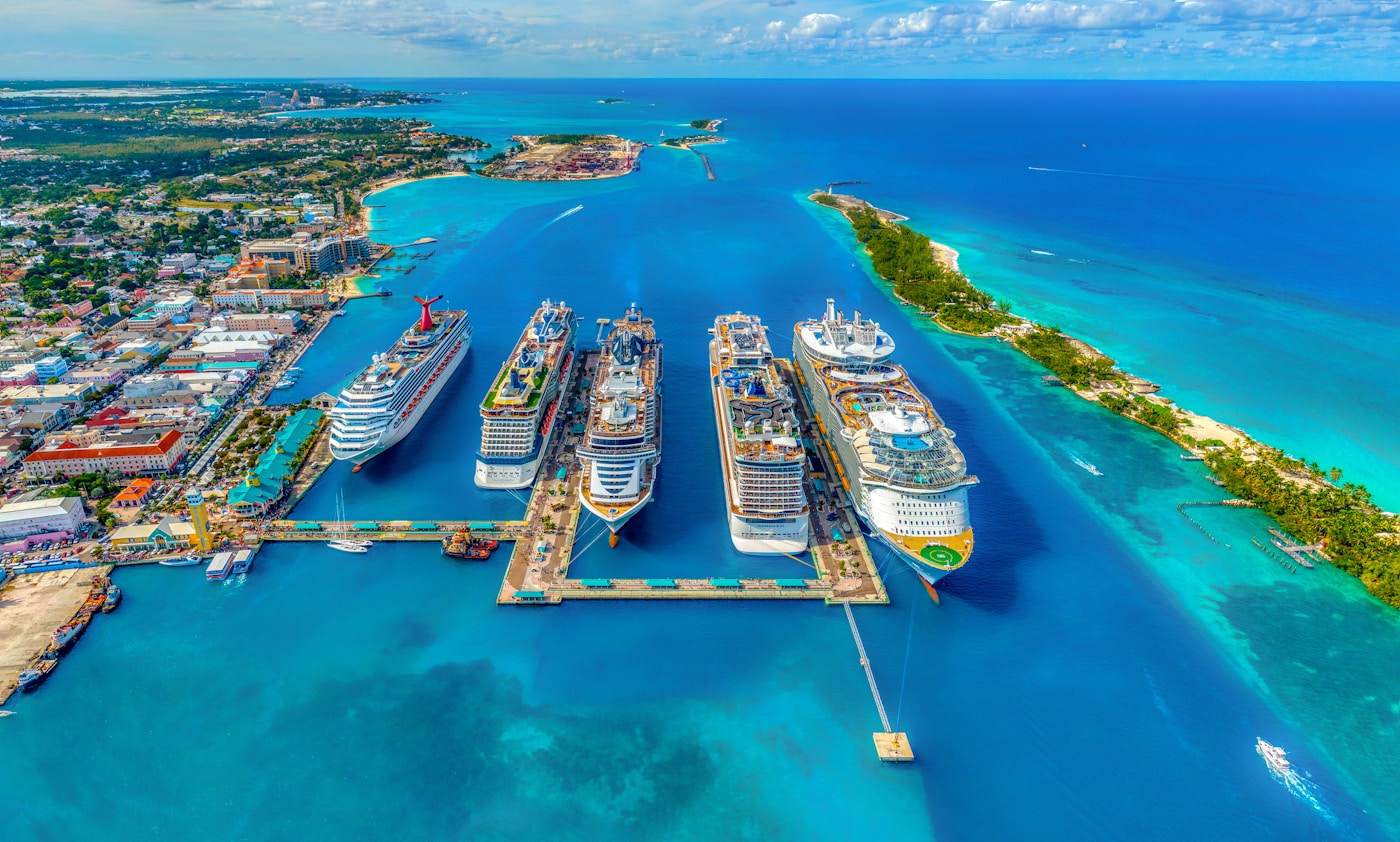
Collecting friends or family from a Southampton cruise? This 2026 guide explains how to confirm the correct terminal, where short-stay pick-up zones are used, when to choose parking instead of the kerb, and how to avoid entering the wrong dock. Includes a decision table and practical tips for different traveller types.
Planning a Southampton cruise terminal pick up in 2026? The key to a smooth collection is simple: confirm the exact terminal on the day, use the signed pick-up area only for a brief stop, and switch to nearby or approved parking if you’ll need to wait. Southampton has five cruise terminals across two dock areas, and assignments can change at short notice. This guide walks UK drivers through the steps, timing realities, and on-the-ground decisions that matter when you’re collecting someone from a P&O, Cunard, Princess, Royal Caribbean, MSC, Norwegian, Marella or other line’s ship.
First principles: confirm the terminal and the timing
Southampton operates five cruise terminals, and a ship’s terminal can change with operations or weather. In 2026, the safest sequence is: 1) confirm the terminal with the cruise line’s pre-arrival message or app on the morning of collection, 2) check live port information if needed, and 3) only then drive to the correct dock area. Remember, a ship’s arrival time does not equal passengers being ready at the kerb. Disembarkation depends on immigration, customs and luggage handling. The port’s own information tools also make it clear that schedules are provisional and can alter at short notice, so always re-verify before you set off and trust on-the-day signs and staff when you arrive.
Southampton’s five cruise terminals and the dock layout
Southampton’s cruise operations span two dock areas with five named terminals: City, Mayflower, Horizon, Ocean and QEII. Terminals are in different parts of the port estate, and routes, gates and local traffic management can differ by sailing. What matters for a pick-up is not memorising every gate, but recognising that each terminal has its own signed short-stay pick-up zone near the entrance. Follow current port signs and staff instructions rather than sat nav if they conflict. Because terminal assignments can change even on the day, keep in contact with your arriving passenger and only approach the correct terminal once they confirm they are close to exiting the arrivals hall.
<table><thead><tr><th>Feature</th><th>Kerbside pick-up (terminal zone)</th><th>Short-stay car park (nearby/approved)</th><th>Taxi or pre-booked transfer</th></tr></thead><tbody><tr><td>Best use case</td><td>Immediate collection when passenger is ready</td><td>Waiting during immigration/luggage or uncertain timing</td><td>Hands-off option when you prefer a professional driver</td></tr><tr><td>Waiting allowed?</td><td>Short, brief stops only; not for waiting</td><td>Yes, within posted terms; check signs and conditions</td><td>Driver manages timing; still uses pick-up zones</td></tr><tr><td>Risk if passenger is delayed</td><td>High: you may be directed to move on</td><td>Low to moderate: you can wait lawfully within terms</td><td>Low: the provider coordinates, but costs vary by policy</td></tr><tr><td>Complexity for driver</td><td>Low if passenger is ready; high if timing drifts</td><td>Moderate: park, meet, and return to the car</td><td>Low: provider handles access and movement</td></tr><tr><td>Ideal for</td><td>Solo travellers with light luggage, clear exit time</td><td>Families, heavy luggage, mobility needs, variable exit</td><td>Those who prefer not to self-drive to the docks</td></tr></tbody></table>
Short-stay pick-up zones: what they are—and what they are not
Each Southampton terminal has a designated drop-off and pick-up zone close to its entrance. These zones are designed for short, active loading—think quick handshakes, luggage in, and go. They are not holding areas. If your passenger is still clearing immigration or has not received their luggage, plan to wait in a suitable car park and return once they confirm they are ready. The port is a working commercial environment with changing traffic management, so on-the-day instructions from marshals or signage override your plan. Expect to keep the kerb clear and avoid blocking approach roads.
When kerbside collection makes sense—and when it doesn’t
Kerbside collection works best when your arriving passenger can walk straight out: hand luggage only, priority disembarkation already called, or they have texted to say they are literally at the exit. It’s less suitable when disembarkation is stag-gered by deck or colour code, or when the passenger must re-claim checked luggage. In those cases, the driver is better off using a short-stay car park and approaching the pick-up zone only when the passenger confirms they are ready. Editorial view: unless you’ve had the “coming out now” message, assume you’ll need to wait away from the kerb.
If you must wait: short-stay parking and sensible alternatives
When timing is uncertain, shift to parking. Options vary by terminal and sailing, but the principle is constant: use nearby or approved short-stay parking rather than holding at the kerb. Local-authority long-stay car parks and third-party cruise parking exist in the city; always review terms, exclusions, insurance and the exact parking address before paying, and check how you’ll return to the terminal when the passenger is ready. Where parking is within the port estate, access may be controlled—follow staff directions and posted rules. If you prefer not to enter the docks at all until the very end, wait outside the port area and only approach once your passenger confirms they are at the exit with luggage.
Terminal-by-terminal notes for drivers (2026)
The five terminals—City, Mayflower, Horizon, Ocean and QEII—serve different sailings across the year. Each has a clearly signed pick-up area close to the entrance and may use traffic marshals during peak operations. Access routes, temporary cones and one-way systems can change by ship, so treat on-the-day signs as your authority. City, Mayflower and Horizon are commonly associated with Western Docks operations; Ocean and QEII are typically accessed via Eastern Docks. That distinction is only a guide, not permission to enter a specific gate. Always confirm the actual terminal named by the cruise line and then follow the live signage and staff instructions when you arrive.
- Share the confirmed terminal name on the morning.
- Passenger texts when they collect luggage and join the arrivals flow.
- Driver waits in a short-stay car park or outside the port until that text.
- Passenger describes the exact kerb marker or sign at the pick-up zone.
- Set a fall-back: if phone battery dies, meet at the signed pick-up area at a specific time window.
- If there’s a sudden delay, passenger returns inside the terminal and driver reverts to parking.
- Two hours before arrival, re-check the ship’s assigned terminal with the cruise line.
- Review any terminal-specific driving directions provided by the line and note they may differ from generic sat nav.
- Agree the messaging plan: the driver only approaches the terminal once the passenger says they’re exiting.
- Choose a waiting strategy: short-stay car park, or an off-port location until the “ready” message.
- Drive to the correct dock area, following port signs and staff instructions.
- Enter the terminal’s designated pick-up lane, keeping the vehicle ready for an efficient, brief stop.
- Load luggage promptly; do not block the lane or leave the vehicle unattended.
- If asked by marshals to move on, do so immediately and loop back as directed.
- Exit the port following the signed route; don’t make sudden U-turns or stops on perimeter roads.
Timing realities on disembarkation day (2026)
In 2026, lines continue to stagger disembarkation to balance luggage reclaim, immigration and crowd flow. Even when a ship is alongside early, the first passengers may not be ready to leave for some time, and later colour groups can run significantly behind plan. Editorial view: drivers should assume variation and build in a buffer. If communications fail, revert to your agreed fall-back meeting plan rather than circling the terminal.
Driving to the docks: approaches, security and signage
Southampton’s cruise terminals sit within a busy commercial port. Expect security controls, temporary traffic management and marshals, especially on heavy turn-around days. Follow official port signs over sat nav if they differ, as some routes are restricted or redirected on operational days. Never stop on approach roads to wait for a call or text; you may be impeding freight or other terminal traffic. If you are unclear about where to pull in, slow to a safe speed, follow the terminal signage and ask a marshal for guidance.
Ride-hailing, taxis and private transfers
Taxis and private transfers use the same or closely managed pick-up areas as private cars. For simplicity, some travellers prefer to pre-book a transfer for the disembarkation window; the provider then handles timing and access. However, even professional drivers must comply with terminal marshals and short-stay rules, so your passenger should still message when they are ready. If you’re comparing a DIY pick-up to a pre-booked service, consider whether you want to handle parking and timing yourself or pay for a driver to manage that for you. Always verify a provider’s waiting policies and any additional waiting time charges before booking, as policies vary and can change.
Accessibility and larger vehicles: plan ahead
If your party has mobility needs or you’re using an oversized vehicle, plan extra time and confirm arrangements with the cruise line or terminal operator in advance. Policies for where a vehicle can stop, how long you may need to load, and whether staff can assist can differ by sailing and by terminal. Editorial view: make the kerbside moment as efficient as possible—position the vehicle for the door nearest the pavement, have a folding step if useful, and keep the boot clear for immediate loading. If you anticipate a longer loading window, consider short-stay parking and escorting your passenger at a measured pace when they are ready.
Weather, traffic and queuing: build a Plan B
Wet or windy conditions can slow departures and make kerbside queues longer. If heavy rain is forecast, arrange for your passenger to remain under cover in the terminal until you text that you’re two minutes away, then you approach the pick-up zone. If traffic is particularly heavy, obey marshals even if it means looping around again; it is often faster than attempting to hold position. Editorial view: five extra minutes in a short-stay car park is usually better than ten minutes circling under stress.
If you’re connecting to rail or coach after the cruise
Sometimes it’s easier to reunite away from the docks. If your passenger is continuing by train, consider meeting at Southampton Central once they are through the terminal and in a taxi or local bus. This can avoid peak congestion at the pick-up zone and give you more flexible waiting options near the station. For rail-to-terminal planning in the other direction, see our dedicated guide: Southampton train station to cruise terminal. Editorial view: station meet-ups can be calmer for large family groups or when you’re juggling multiple pick-ups across the city.
Family and group scenarios: choosing the right approach
- Families with lots of luggage: use a short-stay car park until the group confirms they’re at the exit, then swing into the pick-up zone. The extra walking from the car park is often less hassle than idling at the kerb.
- Older relatives or anyone needing extra time: plan a two-stage approach—driver parks, meets inside the public area outside arrivals, and returns to collect the vehicle only when ready.
- Solo travellers or light-packers: kerbside pick-up can work well if communication is excellent and the passenger can move quickly.
- Two-car strategy: one driver waits in a car park; the other approaches the kerb when called. This is helpful for very large groups but only if you coordinate tightly to avoid congesting the lane.
<table><thead><tr><th>Traveller type</th><th>Recommended action</th><th>Why this works</th><th>Risk level if delayed</th></tr></thead><tbody><tr><td>Solo traveller, hand luggage only</td><td>Kerbside pick-up after a “walking out now” text</td><td>Fast, efficient, minimal loading time</td><td>Low</td></tr><tr><td>Couple with 2–3 checked bags</td><td>Driver waits in short-stay parking; approaches on cue</td><td>Eliminates circling; enough time to load</td><td>Low to moderate</td></tr><tr><td>Family with children and multiple suitcases</td><td>Use short-stay parking; consider trolley return time</td><td>Predictable and safer around the kerb</td><td>Low</td></tr><tr><td>Passenger with mobility needs</td><td>Pre-plan; potentially park and escort; approach kerb only when ready</td><td>Allows measured loading without pressure</td><td>Low</td></tr><tr><td>Driver unfamiliar with the port</td><td>Park first, reconfirm terminal and signage, then collect</td><td>Reduces wrong-turn stress and gate confusion</td><td>Low</td></tr><tr><td>Multiple pick-ups in one morning</td><td>Pre-book transfers or split drivers; avoid kerb waiting</td><td>Professional coordination or shared workload</td><td>Moderate if self-managed</td></tr></tbody></table>
Common mistakes at Southampton’s cruise terminals
- Treating the ship’s arrival time as a passenger pick-up time. Clearance takes longer than most first-timers expect.
- Heading to the wrong dock. City, Mayflower and Horizon are typically accessed differently from Ocean and QEII; follow the named terminal, not guesswork.
- Circling the terminal for 20 minutes instead of moving to parking. A single park-and-walk can be faster.
- Assuming a universal rule for waiting at the kerb. Policies and management vary by sailing and conditions.
- Not having a fall-back meeting plan if phones die or signals falter.
Checklist for drivers before you set off
- Terminal confirmed with the cruise line this morning.
- Passenger understands when to send the “ready now” text.
- Waiting plan chosen: short-stay parking or off-port holding point.
- Sat nav set, but you’ll follow live port signs first.
- Phone battery, charger and hands-free sorted.
- Boot cleared and seats arranged for luggage.
- Wet-weather plan agreed (e.g., passenger waits under cover until you approach).
How this fits with wider Southampton planning
If you’re also handling drop-off for a later sailing, read our complementary guide: Southampton cruise terminal drop-off. For parking choices around different terminals, see Southampton cruise parking 2026. If you’re building a full embarkation plan for another trip, start with Southampton cruise port guide and How early to arrive at Southampton cruise terminal. For an overnight before collection, consider Southampton cruise hotels with parking (2026). And if you’re the one sailing next time, our Embarkation day bag checklist keeps the essentials to hand.
Editorial recommendations by scenario (2026)
- Local driver, confident with the docks: kerbside is fine if—and only if—the passenger is ready to step out. Otherwise, park.
- Out-of-town driver unfamiliar with Southampton: park first, orient yourself, verify signage, then approach for a quick pick-up.
- Morning peak with multiple large ships: assume heavier congestion. Default to parking until you receive the go signal.
- Meeting elderly relatives: prioritise a calm handover; park and walk to meet them just outside arrivals, then collect the car.
- Bad weather: let passengers stay under cover. You wait elsewhere until the text arrives, then approach promptly.
What to expect from terminal marshals and signs
On busy turn-around days, expect high-visibility marshals and cones shaping a one-way flow. Their role is to keep vehicles moving safely and prevent blockages near the entrances. If you are asked to move on, it is not a judgement of your planning—simply loop around or head to parking and try again when the passenger is truly ready. Editorial view: cooperating early usually shortens your overall pick-up time.
Public ship schedules are useful for orientation, but they are explicitly provisional and can change without notice. Even when the arrival time is spot-on, passengers may still face a variable wait for border checks, gangway queues and luggage distribution. The safest approach is to treat the schedule as context only and base your approach to the kerb on your passenger’s real-time message.
Occasionally a ship is reassigned to a different berth. If that happens, don’t panic. Pull out of the flow safely, re-verify the new terminal via the cruise line’s message or app, and follow the updated signage. Share the new plan with your passenger and revert to parking if you’ll need a moment to regroup. The docks are designed for these operational pivots, and marshals will direct you appropriately.
Sources and verification (2026)
For the latest rules, routes and assignments on your day of travel, always verify with:
- Visit Southampton – Cruise FAQs (designated short-stay drop-off/pick-up zones; consider short-stay parking if you need to wait): https://www.visitsouthampton.co.uk/cruise/faq/
- Associated British Ports (ABP) – Port of Southampton overview (working port context; follow port controls and signage): https://www.abports.co.uk/locations/southampton/
- Southampton VTS – Cruise Ship Schedule (provisional and subject to change; verify with your cruise line): https://www.southamptonvts.co.uk/live_information/shipping_movements_and_cruise_ship_schedule/cruise_ship_schedule/
- Southampton City Council – Parking guidance (check terms, exclusions, insurance, addresses before using third-party or council car parks): https://www.southampton.gov.uk/travel-transport/find-and-plan/find-parking/cruise-parking/
- Example cruise-line directions (terminal-specific and subject to change; verify on your sailing):
• Princess Cruises – Southampton cruise port: https://www.princess.com/en-uk/blog/southampton-cruise-port
• Royal Caribbean – Driving directions to Southampton: https://www.royalcaribbean.com/faq/questions/driving-directions-port-southampton-england
For broader planning on MyCruiseAdvisor, see: Southampton cruise port guide, Southampton cruise terminal drop-off guide, and Southampton cruise parking 2026.
Frequently Asked Questions
Which Southampton terminal should I go to for pick-up?
Go only to the terminal named by the cruise line for your specific sailing on the morning of collection. Southampton has five terminals and assignments can change at short notice. Verify with the line or your passenger’s latest message before you set off, then follow on-the-day port signs and marshals.
Can I wait at the kerb until my passenger clears immigration?
No. The designated terminal pick-up areas are short-stay zones intended for brief, active loading only. If your passenger hasn’t exited the arrivals hall, use a nearby or approved short-stay car park and return to the kerb once they confirm they are ready.
Is there one entrance for all Southampton cruise terminals?
No. Terminals sit across two dock areas with different approaches. Do not assume a shared entrance. Follow signs for the specific terminal and comply with any temporary traffic management on the day.
How long after the ship arrives will passengers be ready?
It varies. Arrival at the berth is not the same as clearance through border checks and luggage reclaim. Disembarkation is often staggered, so base your approach to the pick-up lane on your passenger’s “ready now” message rather than the published arrival time.
What if I drive to the wrong terminal by mistake?
Exit that flow safely, re-check the correct terminal with your passenger or cruise line, and follow updated signs. If you need time to regroup, use a short-stay car park before approaching the right terminal to avoid circling.
Can I collect my passenger inside the terminal building?
Plan for an outside handover. Terminals have signed pick-up areas close to the entrance for vehicles. If you need to meet your passenger before bringing the car around, park first and then return to the vehicle only when they are ready to load.
Do taxis and ride-hailing services use different pick-up areas?
They typically use the same or closely managed pick-up zones as private vehicles, and must follow the same short-stay and marshal instructions. If you pre-book a transfer, confirm the provider’s meeting and waiting policies in advance.
Are there vehicle size or height restrictions at the terminals?
Restrictions and traffic management can change with operations. If you have an oversized vehicle or special requirements, verify access with the cruise line or terminal operator ahead of time and follow any on-the-day directions at the port.
Where can I wait if I arrive early?
Use a short-stay car park or a suitable location outside the port estate until your passenger confirms they are ready. Avoid stopping on approach roads. When the “ready now” message arrives, follow signs to the terminal’s pick-up zone for a quick collection.