Home › Articles › Destinations
Northern Lights Cruises from UK 2026: Plan It Right
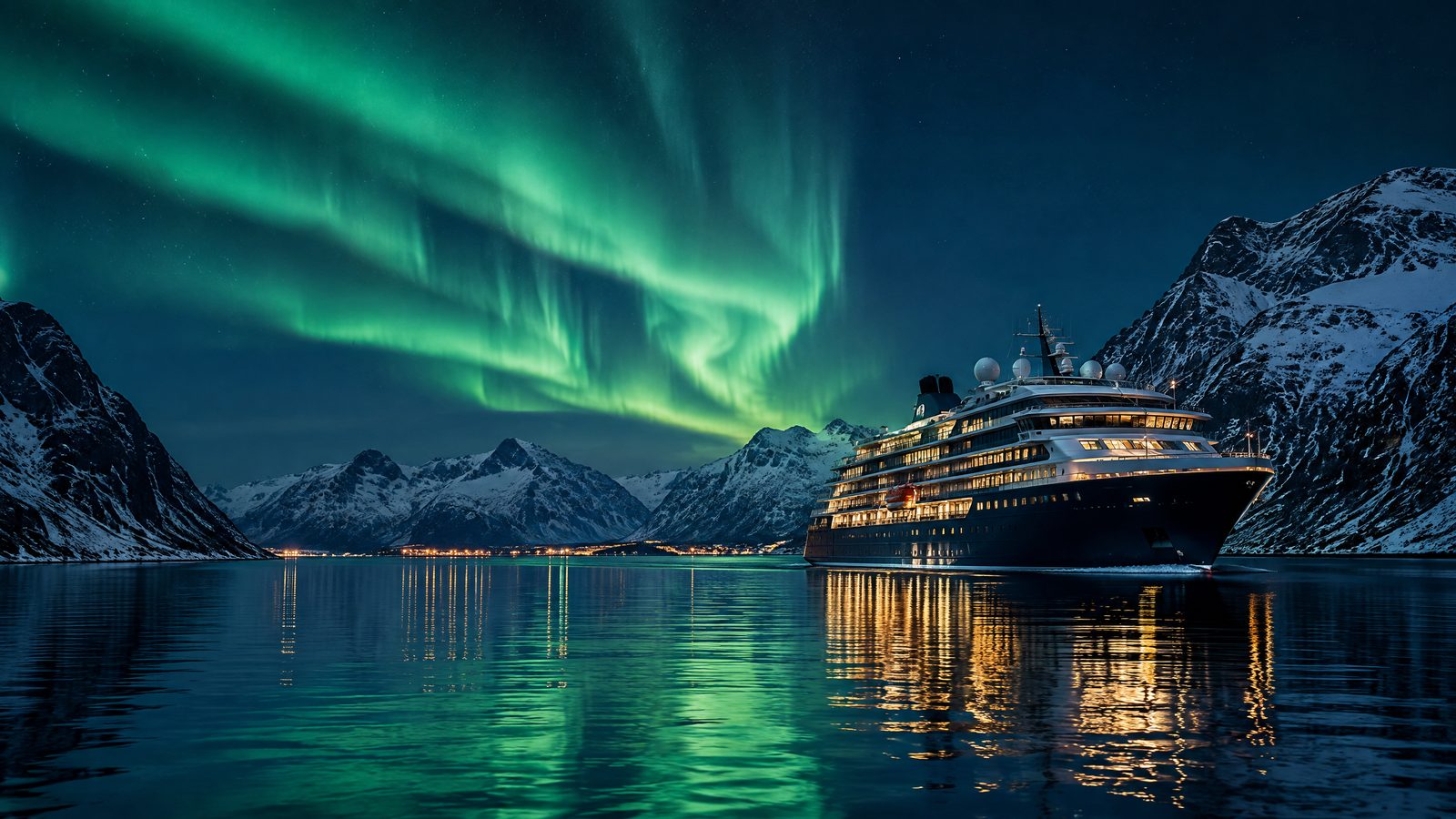
Thinking about a Northern Lights cruise from the UK in 2026? Here’s how to choose your sailing window, itinerary, cruise line and cabin—plus practical packing, budgeting tips and verified sources to check before you book.
If you’re weighing up Northern Lights cruises from the UK in 2026, timing, itinerary design and ship choice will matter more than almost anything else. The aurora is never guaranteed, but UK departures to Arctic Norway and (on select routes) Iceland in winter and shoulder months can stack the odds in your favour. This guide focuses on no-fly ex-UK cruises, the lines most likely to run them, the best months in 2026, and how to save money without sacrificing your chances. Where details can change—schedules, policies, and inclusions—we’ll flag it and point you to the cruise line’s official page to verify before booking.
What counts as a “Northern Lights cruise from the UK” in 2026?
For most travellers, it means a no-fly cruise departing a UK port (commonly Southampton, Portsmouth, Liverpool, Newcastle or Tilbury) and sailing to latitude-rich destinations like Arctic Norway—Tromsø, Alta and Narvik are the classic trio within or near the auroral oval. Some routes add Iceland (Reykjavík, Akureyri, Ísafjörður), though these are usually longer and more weather‑exposed. Expedition-style options tend to be fly-cruise rather than ex-UK. If your priority is avoiding flights, focus on mainstream and British lines with UK turnarounds. If you’re flexible, a fly-cruise can push you deeper into the aurora zone faster, but that’s outside the strict “from UK” brief.
When to sail in 2026 for the best odds
Aurora viewing is about darkness, clear skies and solar activity. In practical cruising terms, two UK-friendly windows stand out in 2026: late January to March (deep winter darkness, higher chance of snow and ice) and late September to November (cool, darker evenings with usually less ice risk). December can work but competes with holiday sailings and mixed daylight hours. Summer has near‑constant daylight in the far north, making aurora sightings unlikely despite strong itineraries. Always check specific dates and night‑time port calls on the line’s 2026 schedule, because a well-timed overnight in Tromsø can matter more than the month alone.
UK departure ports and typical durations in 2026
Most 2026 Northern Lights sailings from the UK are likely to depart Southampton due to capacity and infrastructure. Portsmouth, Liverpool, Newcastle and Tilbury may also see seasonal departures, subject to each line’s programme. Durations commonly run 12–15 nights to reach above the Arctic Circle with enough dark evenings ashore. Shorter 7–10 night options exist but usually trade depth of northbound reach or time-in-port. If your goal is maximising aurora chances, give preference to itineraries that schedule late departures or overnights in Arctic ports rather than quick evening calls.
Cruise lines to watch for UK departures in 2026
Lines with a track record of UK-based cold‑weather or Norway itineraries include P&O Cruises, Cunard, Fred. Olsen Cruise Lines, Ambassador Cruise Line and Saga Cruises (50+). Princess Cruises sometimes features Norway and Iceland from the UK. Programme details vary annually; some lines will label sailings as “Northern Lights” while others list them under Norway or Arctic itineraries. Availability, port lists and overnight calls can change as fleets and deployment evolve. Before committing, check the 2026 brochure or online schedules directly with the cruise line to confirm departure port, ports of call, and evening/overnight timings relevant to aurora hunting.
<table><thead><tr><th>Traveller type</th><th>What to prioritise</th><th>Lines to consider (verify 2026)</th><th>Why it fits</th></tr></thead><tbody><tr><td>Aurora-or-bust couple</td><td>Overnights/late stays in Tromsø/Alta; new-moon dates</td><td>P&O Cruises, Cunard, Fred. Olsen</td><td>UK departures with itineraries that often push north, robust winter operations</td></tr><tr><td>Comfort-first cruiser</td><td>Larger ships with indoor pools, lounges; sea-day balance</td><td>P&O Cruises, Princess, Cunard</td><td>More venues to stay warm and occupied if skies cloud over</td></tr><tr><td>History/nature enthusiast</td><td>Lectures, enrichment, scenic cruising</td><td>Fred. Olsen, Cunard</td><td>Strong enrichment programmes on select ships and sailings</td></tr><tr><td>Budget-conscious</td><td>Inside cabins; shoulder dates; ex-UK</td><td>Ambassador Cruise Line, P&O Cruises</td><td>No-fly savings and value-focused fares (check what’s included)</td></tr><tr><td>Over 50s seeking small-ship feel</td><td>All-inclusive elements; smaller capacity</td><td>Saga Cruises</td><td>UK-focused, boutique style; verify inclusions and medical policies</td></tr><tr><td>Solo traveller</td><td>Solo cabins or reduced supplements; social venues</td><td>Fred. Olsen, Ambassador, Saga</td><td>Some ships offer single cabins or solo-friendly pricing; check availability</td></tr><tr><td>Family group</td><td>School holiday dates; broader facilities</td><td>P&O Cruises, Princess</td><td>Family amenities and UK turnarounds help with logistics</td></tr></tbody></table>
Norway-first itineraries: ports to look for
If you’re targeting the aurora from the UK in 2026, Norway-focused itineraries usually deliver the best mix of reach and reliability. Look for Tromsø (excellent tourism infrastructure for aurora chases), Alta (dry climate by Norwegian standards and aurora tours), and Narvik (mountain backdrops and winter activities). Alesund and Trondheim are fine for culture and fjords but sit further south; they’re lovely calls yet weaker aurora bets. Overnights in Tromsø or Alta are especially valuable, giving two consecutive dark windows without ship movements. Always verify the actual call times for your sailing year—2026 timings can differ from prior seasons.
Arctic Norway highlights: Tromsø, Alta, Narvik
Tromsø pairs a vibrant small city with quick access to darker valleys; Alta often offers longer evening tours on clearer nights; Narvik’s surrounding peaks can frame aurora photographs beautifully when skies cooperate. Expect cold, ice and snow—ship operations adapt, but excursions can sell out early on prime dates. If your booking hinges on a particular port or tour, reserve early once your 2026 sailing goes on sale, and re-check times on the official itinerary before final payment in case of updates.
Iceland-inclusive routes: pros and cons
Including Reykjavík or Akureyri can diversify your trip with geothermal and volcanic landscapes, but it generally adds sea days and weather exposure. Late September to November 2026 can suit Iceland’s darker nights, while mid‑winter sailings risk more rough seas. For aurora focus, Norway-only routes with repeated Arctic calls may be better. If Iceland is your priority, ensure the itinerary provides evening time ashore or late departures, and verify pier or tender arrangements in 2026 which can affect night touring.
Shorter sailings and micro-seasons
Seven to ten night options occasionally reach as far as Tromsø from the UK, but it’s tight. More commonly they feature southern Norway or the North Sea fringe, which reduces aurora odds. If you prefer fewer days away, angle for late September or early March 2026 when darkness returns but seas may be calmer than deep winter. Prioritise any itinerary that explicitly names Arctic Circle ports and lists late departures. When in doubt, ask the cruise line or your travel agent for the planned port times for your specific 2026 departure date.
How likely is an aurora sighting? Setting expectations
There’s no guarantee. Even perfect itineraries can meet clouds. Your practical levers are: sailing dates within the dark season, itineraries with north-of-Arctic-Circle calls, and port times that allow late‑night tours. Some cruise lines host aurora alerts announced onboard, but practices vary—verify what’s offered for your ship. Manage expectations by choosing ships with enough indoor spaces and enrichment to enjoy the voyage, even if nature doesn’t perform. If an aurora appears while at sea, ship lights and motion can limit photography—get familiar with your camera before you go.
What to pack for a winter North Atlantic cruise
You’ll be standing still on cold decks at night. Prioritise: thermal base layers (merino or technical), mid-layers (fleece or light down), a windproof/waterproof shell, insulated gloves plus thin touchscreen liners, a warm hat, neck gaiter, non-slip insulated footwear, and microspikes or traction aids if permitted ashore (check excursion rules). Add chemical handwarmers and a dry bag for cameras. For clothing specifics, see our packing checklist: what to pack for a Norway cruise.
Excursions that amplify your chances ashore
In-port aurora chases by minibus often drive to clearer skies beyond city glare. Snowshoeing or husky sledding at dusk can segue into aurora watching if conditions align. In Alta and Tromsø, photography‑guided tours can help with camera setup. For mobility needs, ask the line about vehicle type, walking distances and surface conditions before you book. Excursions are capacity-limited—popular 2026 departures may sell out quickly, so confirm timings and cancellation policies on the cruise line’s site.
Budgeting and saving money in 2026 without killing your odds
For aurora-focused value, it’s smarter to save on cabin category than to cut Arctic port time. Choose an inside cabin on a well-timed itinerary over a balcony on a southern route. Look for no-fly ex-UK departures to avoid airfares. Compare what’s included: gratuities, Wi‑Fi, drinks and speciality dining vary by line and are subject to change—verify current inclusions for your 2026 sailing. If a line offers onboard credit on select dates, that can offset paid excursions, but assess the overall itinerary quality first.
- Travel off-peak within the aurora windows (late Jan–Feb or late Sep–Nov 2026)
- Book early for choice of cabins close to observation areas; late deals can work but sell-outs happen
- Inside cabins + observation lounges beat balconies if budget is tight
- Compare inclusions (gratuities, Wi‑Fi, drinks) across lines before adding packages
- Reprice if your agent or line allows price adjustments before final payment (policies vary)
- DIY some city sightseeing; reserve paid aurora tours in key ports
- Consider secondary UK ports (Newcastle, Liverpool) if the itinerary still goes far north
- Read our ex-UK guide: no-fly cruises from the UK
Ship size, comfort and sea days: matching your motion tolerance
Winter North Atlantic and Norwegian Sea crossings can be lively. Larger, modern ships often have more stabilisation and more indoor venues. Smaller ships can reach smaller ports and may feel more intimate but move more in swell. If you’re motion‑sensitive, choose mid-ship, lower-deck cabins and carry remedies recommended by your GP or pharmacist. When comparing ships for 2026, review deck plans for covered promenades, forward lounges and thermal spas—useful refuges between deck checks.
Dining, drinks and warmth: keeping cosy onboard
Hearty post-deck dining matters. On cold itineraries, many guests favour included main dining and buffet venues to warm up between aurora checks. If you like a hot drink or a nightcap on deck, consider whether a drinks package suits your habits—policies and pricing change, so review the latest details. For background reading: P&O drinks package guide and P&O and Cunard cruise comparison. Always verify 2026 package terms directly with the cruise line before purchase.
Solo travellers, accessibility and mobility in icy conditions
If travelling solo in 2026, look for single cabins or reduced supplements; availability varies by ship and sells fast. For accessibility, flag needs early—gangways, tender operations and shore surfaces can be slippery in winter. Ask the line how they manage wheelchair or reduced‑mobility guests in icy ports and whether nighttime tours accommodate assistive devices. Request handrail-equipped cabin bathrooms where available. On deck, choose viewing spots with nearby indoor access and lifts; avoid exposed ladders and wet deck patches after snow squalls.
Families and multigenerational groups
A cold‑weather cruise can be magical but requires planning. For children, pick itineraries with sea‑day spacing and strong indoor facilities. Bring proper winter kit for all sizes; rental gear in port may be limited. If travelling during October half term 2026, expect more families but fewer hours of darkness than mid‑winter—balance school schedules against aurora odds. Confirm minimum ages and height/weight limits for sledding or snowmobiling excursions before you book. For broader Norway background, see Norway fjords cruises from the UK.
<table><thead><tr><th>Port</th><th>Aurora potential</th><th>Key advantages</th><th>Watch-outs</th></tr></thead><tbody><tr><td>Tromsø</td><td>High (Arctic Circle)</td><td>Fast access to darker valleys; many tour operators</td><td>Popular tours sell out; city light glow—go inland</td></tr><tr><td>Alta</td><td>High</td><td>Relatively dry climate; longer evening tours</td><td>Cold extremes; book early for night excursions</td></tr><tr><td>Narvik</td><td>High</td><td>Mountain scenery frames aurora photos</td><td>Wind exposure; icy pavements</td></tr><tr><td>Reykjavík</td><td>Moderate–high (seasonal)</td><td>Many guides; geothermal day trips</td><td>Weather volatility; light near city—go out of town</td></tr><tr><td>Akureyri</td><td>Moderate–high</td><td>Northern location; smaller city lights</td><td>Snow on roads; tour capacity</td></tr><tr><td>Ålesund/Trondheim</td><td>Lower (further south)</td><td>Great culture and scenery</td><td>Weaker aurora odds—focus on daytime</td></tr></tbody></table>
Paperwork, insurance and health planning for 2026
Passports, visas and health rules can change before 2026 sailings. Norway and Iceland are in the Schengen area; British travellers should check passport validity and any electronic travel authorisations that may apply by 2026, plus health requirements published by their cruise line. Purchase cruise-ready insurance that covers medical care, evacuation, and winter sports if you plan to snowmobile or similar. If you need refrigerated medication, confirm onboard storage. Ultimately, defer to your cruise line’s and official government guidance close to departure.
Final recommendations for 2026 UK Northern Lights cruises
If aurora is your top goal in 2026, favour a Norway‑centric, no‑fly UK departure with at least one overnight or late stay in Tromsø or Alta between late Jan–Mar or late Sep–Nov. For comfort-first travellers, choose a larger UK-based ship with multiple indoor lounges and steady sea-day pacing. Budget cruisers: book an inside cabin on the best-timed itinerary rather than paying more for a balcony on a southerly route. Over 50s seeking boutique service can explore Saga; enrichment fans might lean Fred. Olsen or Cunard. Whatever you choose, verify 2026 schedules, inclusions and port times on the cruise line’s official site before paying your final balance.
- P&O Cruises Norway and Northern Lights itineraries: https://www.pocruises.com
- Cunard Northern Europe and Norway: https://www.cunard.com
- Fred. Olsen Cruise Lines Norway/Arctic: https://www.fredolsencruises.com
- Ambassador Cruise Line Northern Lights/Norway: https://www.ambassadorcruiseline.com
- Princess Cruises UK departures to Norway/Iceland: https://www.princess.com
- Saga Cruises Norway and Northern Lights (50+): https://travel.saga.co.uk/cruises
- HX (Hurtigruten Expeditions) Northern Lights voyages (fly-cruise): https://www.travelhx.com
- Havila Voyages (Norwegian coastal route; fly-cruise): https://www.havilavoyages.com
- Pick your window: late Jan–Mar or late Sep–Nov 2026
- Shortlist only itineraries with Tromsø/Alta/Narvik and late stays/overnights
- Check moon phases for your dates and verify port times on the line’s site
- Choose ship size and cabin with your motion tolerance and budget in mind
- Pre-book key night excursions; confirm accessibility needs
- Compare inclusions and packages; verify 2026 terms before purchase
- Arrange cruise-ready insurance and check passport/entry requirements
- Build a cold‑weather packing list and test your camera at night beforehand
Frequently Asked Questions
What is the best month in 2026 for a Northern Lights cruise from the UK?
For darkness and decent odds, look to late January, February and March 2026, or late September to November 2026. Within those windows, itineraries with overnights/late stays in Tromsø or Alta can matter more than the exact month. Always verify 2026 port times on the cruise line’s site.
Do I need a balcony cabin to see the Northern Lights?
No. Balconies are convenient for quick checks but ship lights can hinder viewing. Many travellers succeed with inside cabins by using dark open decks and observation lounges. Spend the saving on a well-timed itinerary and night excursions instead.
Which UK cruise lines are likely to offer Northern Lights itineraries in 2026?
P&O Cruises, Cunard, Fred. Olsen Cruise Lines, Ambassador Cruise Line and Saga Cruises (50+) are the main UK‑focused names to watch. Princess Cruises may also offer relevant ex‑UK sailings. Programmes evolve—verify 2026 departures, ports and timings directly with each line.
How long should my cruise be to reach the aurora zone from the UK?
Around 12–15 nights is common for UK roundtrips that include Arctic Norway ports. Shorter 7–10 night sailings exist but often trade depth of northbound reach or time-in-port, reducing aurora opportunities.
Are Northern Lights guaranteed on these cruises?
No. The aurora depends on solar activity, clouds and darkness. You can improve your chances by sailing in dark months, prioritising Arctic Circle ports and choosing itineraries with late stays or overnights. Manage expectations and book a ship you’ll enjoy regardless.
What should I pack for cold deck viewing?
Thermal base layers, insulating mid-layers, a wind/waterproof outer shell, warm hat, neck gaiter, insulated gloves (plus thin liners), non-slip insulated shoes/boots and pocket handwarmers. Add a head torch with red light, and keep spare batteries warm.
Is Iceland worth adding to a 2026 Northern Lights cruise from the UK?
It can be, especially in late September–November for dark evenings. But adding Iceland increases distance and weather exposure. If aurora is your only goal, Norway‑only itineraries with repeated Arctic calls and late nights ashore usually offer better odds.
What about seasickness on winter sailings?
Choose a larger ship if you’re motion-sensitive, and book a mid-ship, lower-deck cabin. Bring remedies recommended by your GP or pharmacist. Winter crossings can be choppy; stabilisers help, but conditions vary by sailing.
Can I book aurora excursions through the ship?
Yes, most lines sell evening “aurora chase” tours in prime ports. These can sell out on popular dates—reserve early once your 2026 sailing is live, and re-check times and cancellation terms on the cruise line’s website.
How can I keep costs down without hurting my chances?
Sail in the shoulder edges of the dark season, pick an inside cabin on a north-reaching itinerary, and prioritise overnights/late stays over bells-and-whistles. Compare inclusions across lines and spend on key night excursions rather than cabin upgrades.
Related articles
- Norwegian Fjords Cruise 2026: What to Expect & Practical Tips
- P&O Cruises Drinks Packages 2026: Independent Review
- Norway Fjords Cruise 2026 From UK: Planning Guide
- Cruise Travel Insurance UK Best 2026: Top Cover Picks
- How to choose the right cruise cabin in 2026
- Best cruises from Newcastle 2026: our top picks