Home › Articles › Shore Excursions
How to Book Cruise Excursions Independently (UK Guide for 2026)
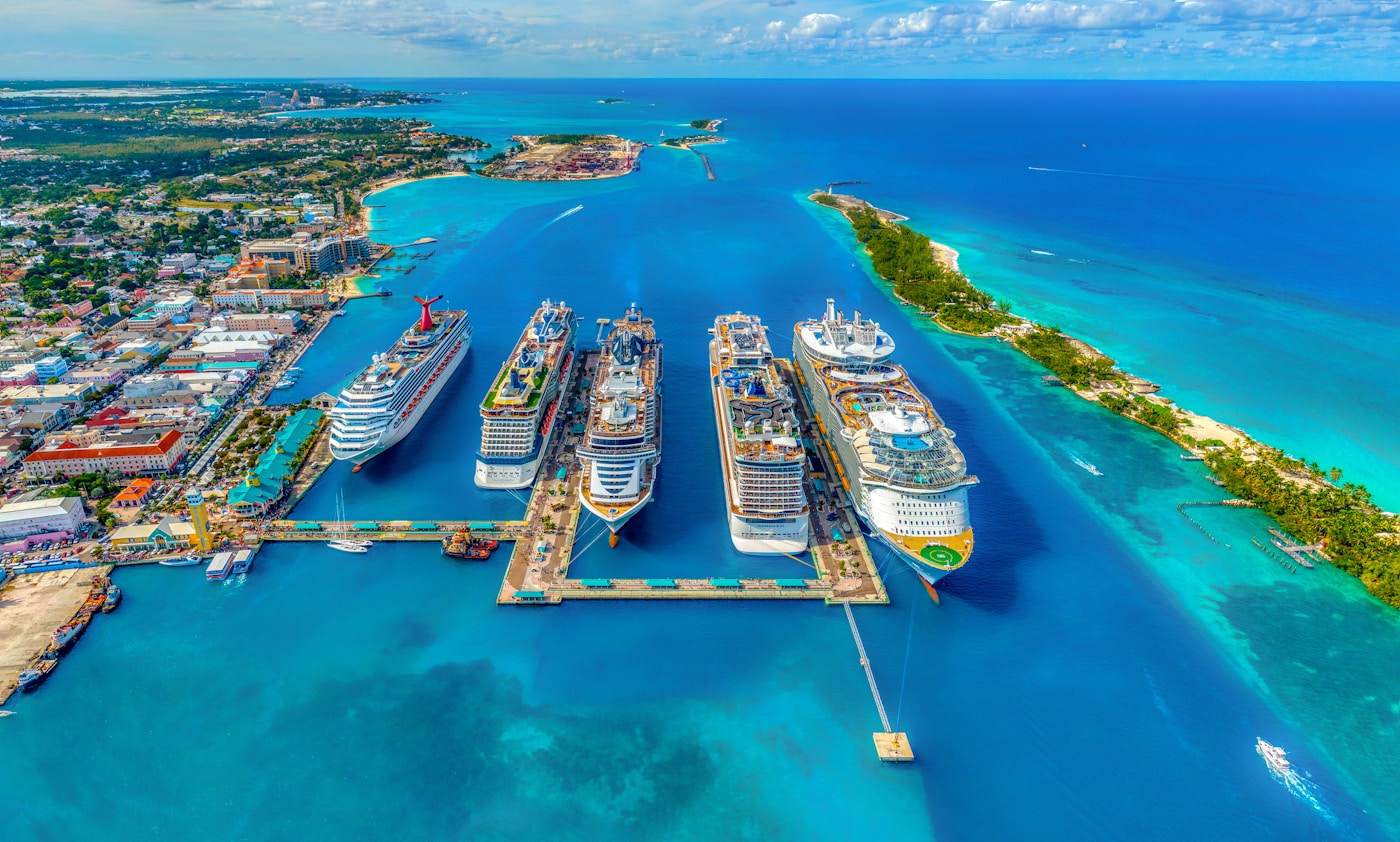
A UK-focused, up-to-date 2026 guide showing you exactly how to book cruise excursions independently—safely, affordably, and with confidence. Includes step-by-step planning, prices in £, line-by-line nuances, tables, and real port-day examples.
Why book independently in 2026?
Independent excursions can be around 30–60% cheaper than ship tours, more flexible, and often smaller groups. In 2026, with widespread eSIMs, contactless payments, and reliable ride-hailing in many ports, going DIY is easier than ever. For UK travellers paying in £, independent bookings also allow clear cost control and free cancellations up to 24–48 hours on many platforms—ideal if your itinerary changes.
Typical ship tours in popular Med ports can run £75–£150 per person. A comparable independent small-group tour might cost around £35–£70, while a full DIY day using trains or trams could be under £25 plus attraction fees.
| Option | Typical cost (pp) | Group size | Flexibility | Risk if delayed |
| Ship-run excursion | £75–£150 | 30–50+ | Low–Medium | Low (ship will wait) |
| Independent small-group | £35–£85 | 6–16 | High | Medium (plan buffer) |
| Private driver/guide | £45–£120 | 1–8 (cost split) | Very High | Medium (plan buffer) |
| DIY by public transport | £10–£35 (+tickets) | Your party | Highest | Medium–High (you manage time) |
Step-by-step: how to book cruise excursions independently
- Read the port details: docking or tender, all-aboard, and shuttle info. 2) Choose your style: guided, private, or DIY. 3) Shortlist attractions and map them. 4) Compare options on aggregators and direct operator sites. 5) Check reviews (most recent first). 6) Confirm timing vs ship time and traffic. 7) Calculate the full cost including tickets and tips. 8) Book with free cancellation where possible. 9) Save confirmations offline and screenshot everything. 10) Plan meeting points and backup transport. 11) Pack smart: cash, cards, ID, and connectivity. 12) Build in a buffer and keep the port agent number handy.
Step 1: Understand your port call
Open your line’s app or daily planner for arrival/departure and all-aboard times. Note whether it’s a tender (e.g., Santorini, Mykonos frequently) or dock (Barcelona, Civitavecchia). P&O, Cunard, Royal Caribbean, MSC, and Marella state all-aboard—usually 30–60 minutes before departure. That’s your hard stop for planning. Check if a port shuttle is provided (sometimes free with Cunard or P&O; often paid with MSC; Marella frequently includes shuttles in the fare, but it varies).
Step 2: Decide your style (guided, private, DIY)
Each style has pros and cons. Guided small-group tours are affordable and curated. Private drivers maximise time in sprawling ports (e.g., Rome from Civitavecchia). DIY by public transport saves money and suits walkable, compact cities (e.g., Tallinn, Valencia). Mix and match: a morning private transfer plus a self-guided afternoon often works brilliantly.
- Guided small-group: best balance of price and structure; ideal for first-time visits.
- Private driver/guide: perfect for longer distances or multiple stops; split cost between 4–8.
- DIY public transport: cheapest; great in cities with simple metro/tram/ferry links.
- Taxi-based DIY: flexible; agree price upfront and confirm return pickup.
- Beach day: pre-book loungers or go early; confirm transport back.
Step 3: Research reputable operators
Use major tour aggregators, cruise forums, and recent 2025–2026 reviews to find well-rated providers. Search for terms like “small-group shore excursion [port]” and include “cruise ship timing”. Many operators time their tours around cruise calls and will clearly list pickup near the terminal or port gate. For DIY, check official transit sites for current timetables.
| Platform type | Typical cancellation | Payment | Notes |
| Major tour aggregator A | Free up to 24h | Credit/debit | Huge choice; verified reviews; clear meeting points |
| Major tour aggregator B | Free up to 24–48h | Credit/debit | Good for skip-the-line museum entries |
| Local operator direct | Varies (often 48–72h) | Card/PayPal | May offer custom itineraries and better small-group caps |
| Ride-hailing apps | N/A | In-app | Great for short hops; watch surge pricing |
| Public transport | N/A | Cash/card | Cheapest; check for strikes and return frequency |
Step 4: Check timings against ship time
Ship time may differ from local time. Many lines now keep ship time in sync with local, but not always. Royal Caribbean and MSC occasionally keep ship time on a different hour to maintain schedule integrity. Confirm “ship time” every evening. Plan your day by ship time and build a buffer for traffic, queues, and tender waits.
Step 5: Compare total cost
Add transport, attraction tickets, lunch, and tips. Many independent tours exclude entrance fees to give you flexibility—budget for them. Compare with ship tour prices fairly by including every element you’d actually do.
| Port & plan | Transport | Tickets/fees | Food/drink | Total per person |
| Rome from Civitavecchia (train + highlights) | Return regional train £9–£15 | Colosseum/Roman Forum £16–£25 (timed); Metro £3–£6 | £10–£20 | £38–£66 |
| Florence from La Spezia (train) | Return £18–£28 | Duomo viewpoints £15–£25 | £12–£20 | £45–£73 |
| Barcelona (metro + Sagrada Familia outside/photos) | Day metro £10–£12 | Park Güell £10–£12 (timed) | £10–£18 | £30–£42 |
| Athens from Piraeus (metro) | Return £2–£5 | Acropolis £10–£20 | £8–£15 | £20–£40 |
Step 6: Confirm meeting points and contingencies
Many operators meet at the terminal exit or just outside the port gate—crucial distinction. Ask for a photo of the meeting spot and landmark. For tender ports, confirm extra time at the start. Share a backup plan: taxi rank location, nearest train station, or alternative pickup if traffic snarls.
Step 7: Book with protection
Pay by UK credit card for Section 75 protection where applicable. Choose free-cancellation rates when possible—handy if your captain changes the call. Check your travel insurance covers independently arranged excursions and any excluded activities (e.g., scuba, zip-lines). Lines like MSC, Costa, and Royal Caribbean won’t assume responsibility if you’re late on an independent tour; only ship tours have that guarantee.
Step 8: Share mobility and special needs early
If you need a vehicle with a ramp, space for a scooter, a child seat, or frequent rest stops, advise the operator at booking. Sometimes a ship-run accessible tour is the most reliable option—especially if tendering or cobblestones are prominent.
Step 9: Visas, IDs, and entry rules
Carry your cruise card, a government photo ID, and any required visas or waivers. For Europe, check the latest entry requirements on GOV.UK for 2026, as digital travel authorisations and biometric checks are evolving. For DIY visits that include museums or churches, timed-entry tickets often save an hour or more—book in advance and keep them offline.
Step 10: On-the-day checklist
Arrive at the meeting point 10–15 minutes early. Message your guide if you’re delayed. Track real-time traffic. Confirm return drop-off at the port, not “nearby”. Reconfirm all-aboard time, then set an alarm to start heading back with your buffer intact.
Step 11: If things go wrong
If your ship skips the port, contact the operator immediately for a refund under the policy. If delayed in traffic, instruct the guide to shortcut the itinerary. If the worst happens and you risk missing the ship, go straight to the port by the fastest means. Use the port agent number on your daily planner to alert them.
Step 12: After the tour
Leave an Independent Review focusing on timing reliability and accuracy of the meeting point—gold for future cruisers. Keep receipts and notes; they’re invaluable when you return to a port on your next sailing.
Independent booking by region: practical examples
Mediterranean examples (illustrative prices)
Barcelona: Walk or shuttle to the Columbus Monument, metro to Sagrada Família (outside photos) then Gothic Quarter tapas. Metro day pass about £10–£12. Rome (Civitavecchia): 10-minute shuttle to port gate, train to Roma Termini, then metro. Pre-book timed Colosseum if you’re confident with timings; otherwise stick to exterior views to protect your buffer. Naples: Private driver shared among 6 to Pompeii and Amalfi viewpoints is often £45–£60 pp plus Pompeii entry £16–£20.
Northern Europe examples (illustrative prices)
Bergen: Walk from the pier to the Fløibanen funicular (around £12–£15 in 2026), ride up for panoramic views, then a gentle forest loop and down. Tallinn: The Old Town is walkable from the terminal in 15–25 minutes; DIY self-guided route with coffee stops, museum at your own pace. Copenhagen: Buy a 24-hour travel card (roughly £10–£15), take the metro to Nyhavn and Rosenborg; return early to avoid rush-hour.
Caribbean examples (illustrative prices)
St Thomas: Shared taxi to Magens Bay, agree return time. Expect about £10–£15 each way per person plus beach admission. Cozumel: Pre-book a snorkel boat for approximately £25–£45 pp or DIY beaches via taxi; carry pesos or card for small purchases. St Maarten: Water taxi an estimated £6–£10 return to Philipsburg, beach and shopping day with a relaxed buffer.
Canaries and Madeira
Funchal: Walk or shuttle to the cable car (circa £13–£18 return), visit Monte and the botanic garden. Las Palmas: City beach Las Canteras is an easy DIY; rent loungers for in the region of £8–£12 and enjoy local tapas before returning with a 90-minute buffer.
Line-by-line nuances in 2026
- P&O Cruises: Often provide clear port info and occasional free shuttles, but it varies. Destination team can advise on local transport. - Cunard: Excellent port briefings; shuttles sometimes included. - Royal Caribbean: App has robust maps and timing alerts; ship time can occasionally differ from local. - MSC Cruises: Shuttles are frequently paid extras; check the Daily Program for times and costs. - Marella: Many calls are well set up for DIY, and shuttles are often included in the fare; confirm onboard for each port. All lines will print the port agent contact on your daily—keep it with you.
| Line | Shuttle policy (typical 2026) | Indicative cost |
| P&O | Sometimes included, sometimes paid | £0–£12 pp |
| Cunard | Often included in industrial ports | £0–£10 pp |
| Royal Caribbean | Mixed, depends on port/terminal | £0–£12 pp |
| MSC | Frequently paid shuttle where needed | £5–£15 pp |
| Marella | Often included in fare | £0 |
| All lines | Subject to change by port | Check Daily Program |
Safety and insurance essentials
Book with well-reviewed operators, avoid risky late returns, and keep valuables minimal. Ensure your travel insurance covers independent excursions and any specific activities (e.g., scuba, zip-line). If hiring a car, confirm excess and CDW terms, and photograph the vehicle on pickup and return.
Technology that makes DIY easy in 2026
- eSIMs: Buy a regional eSIM before you sail for data at the pier. - Offline maps: Pre-download areas and star key locations. - Ride-hailing: Uber, Bolt, or local apps reduce language worries. - Translation: Google Translate handles menus and signs offline. - Payments: Contactless is common in Europe; still carry a little local cash. - Notes and alarms: Keep your plan in your phone’s notes and set timed alerts.
Money matters: paying and tipping
In most European ports, cards are widely accepted. Carry somewhere around £20–£40 in local currency equivalent for small purchases or emergencies. Tips: for independent tours, close to 10% is typical if service was good; drivers often appreciate a few extra pounds’ worth in local currency. Always confirm if entrance fees are included to avoid surprises.
Accessibility and family considerations
- Prams/buggies: Check for cobblestones and steps; consider a lightweight stroller. - Car seats: Prearrange child seats with private drivers; ride-hailing rarely provides them without notice. - Rest breaks: Build cafés and shaded stops into your route. - Mobility: Prioritise docked ports over tenders for longer, more comfortable DIY days.
When to stick with ship excursions
Choose ship tours for very long distances (e.g., Rome or Florence on tight calls), tender ports with heavy queues, countries with complex visa checks, activities with inherent risk where timing is tight, or if mobility needs demand guaranteed equipment and pacing. Peace of mind sometimes outweighs savings.
Booking timeline and price strategy
- 90 days: Research ports and must-sees. 2) 60 days: Shortlist tours and DIY routes; check reviews. 3) 45–30 days: Book with free cancellation; save offline. 4) 7 days: Reconfirm timings and weather; adjust. 5) 48–24 hours: Final check of ship time, meeting point, and transport frequency.
Packing list for DIY port days
- Cruise card and photo ID - Phone with offline maps and local eSIM - Credit card and a little local cash - Refillable water bottle - Sunhat and sunscreen - Lightweight waterproof (Northern Europe) - Power bank and short cable - Copies/screenshots of bookings - Small first-aid kit - Comfortable walking shoes
Sample budgets: three illustrative plans
These illustrative examples show one way to budget a budget/mid/splurge day in three popular ports—with a healthy timing buffer built in.
| Port | Budget plan | Mid plan | Splurge plan |
| Naples (Pompeii focus) | DIY train to Pompeii £7–£12; Entry £16–£20; Snack £8–£12 = £31–£44 | Shared minivan tour incl. Pompeii guide £45–£65; Lunch £12–£18 = £57–£83 | Private driver split 6 ways £45–£60; Licensed guide £15–£25; Lunch £20–£30 = £80–£115 |
| Stavanger (Norway) | Walk Old Town free; Coffee £4–£6; Museum £8–£12 = £12–£18 | Preikestolen bus/ferry combo £35–£55; Snack £6–£10 = £41–£65 | Private RIB fjord tour £70–£110; Lunch £15–£20 = £85–£130 |
| Mykonos (tender) | Beach by bus £6–£10; Sunbed share £8–£12 = £14–£22 | Small-group island highlights £35–£55; Snack £8–£12 = £43–£67 | Private driver 4 hours split 4–6 ways £35–£70; Lunch £20–£30 = £55–£100 |
A simple map screenshot with a red pin 50 metres outside the port gate, showing where independent tours usually meet.
Common pitfalls to avoid
- Overambitious itineraries on short calls. - Relying on a single late-afternoon train back. - Assuming ship time equals local time. - Ignoring tender ticket queues. - Forgetting cash for lockers or small cafés that are card-resistant. - Not confirming whether entrance tickets are included.
Putting it all together: a sample plan template
Name the port, arrival and all-aboard times, confirm dock/tender, list your top 2–3 priorities, map a logical loop, calculate costs, book with cancellation, save offline, set return buffer alarms, carry the port agent’s phone, and enjoy the day without clock-watching every minute.
Example: Civitavecchia to Rome in 7 hours docked
08:00 off ship; 08:20 shuttle to port gate; 08:40 regional train; 09:50 Colosseum exterior photos; 10:30 Trevi Fountain; 11:10 Pantheon; 12:00 quick lunch; 12:40 Metro to Termini; 13:20 train back; 14:30 at port gate; 14:45 back onboard for a 16:00 all-aboard. Buffer: 75 minutes.
2026 reality check: what’s changed and what hasn’t
Connectivity is easier with eSIMs; contactless is near-universal in Europe; attraction timed entries are now standard at big hitters. What hasn’t changed? The ship will sail on time. Independent excursions are fantastic—but only when you control the clock, keep a buffer, and choose reliable partners.
Frequently Asked Questions
Will the ship wait if I’m late on an independent tour?
No. Only ship-run excursions have a wait guarantee. If you’re touring independently, plan to be back 60–90 minutes before all-aboard and keep the port agent’s details with you.
How do I avoid time zone mistakes between ship time and local time?
Check the Daily Programme for ship time each evening, set your phone clock manually to ship time on port days, and set alarms for your return buffer. Ask your guide to confirm timing in ship time at the start of the tour.
What’s the best way to pay and protect my booking?
Use a UK credit card for Section 75 protection where applicable, favour free-cancellation rates, and book with reputable platforms or operators with recent reviews. Keep confirmations and policies saved offline.
Are independent excursions covered by travel insurance?
Many UK policies cover independent excursions, but you must read the wording. Some activities (e.g., scuba, zip-lines) may require upgrades. Keep receipts and communications if you need to claim.
When should I choose a ship tour instead?
Pick a ship tour for very long transfers (e.g., Rome/Florence on short days), tender ports with tight timings, complex visa situations, or when accessibility requirements demand guaranteed equipment and pacing.
Related articles
- Best Shore Excursions in Cozumel: Cruise Tips & Guide
- How to Book Cruise Shore Excursions in 2026: Your Planning Guide
- Best Excursions in Tenerife from a Cruise Ship (2026 Guide)
- Best Shore Excursions in Dubrovnik from a Cruise Ship (2026 Guide)
- Best shore excursions in Barcelona from cruise ship
- Best shore excursions in Naples from cruise ship