Home › Articles › Cruise Ships & Cabins
Cruise ship dining reservations: the UK guide
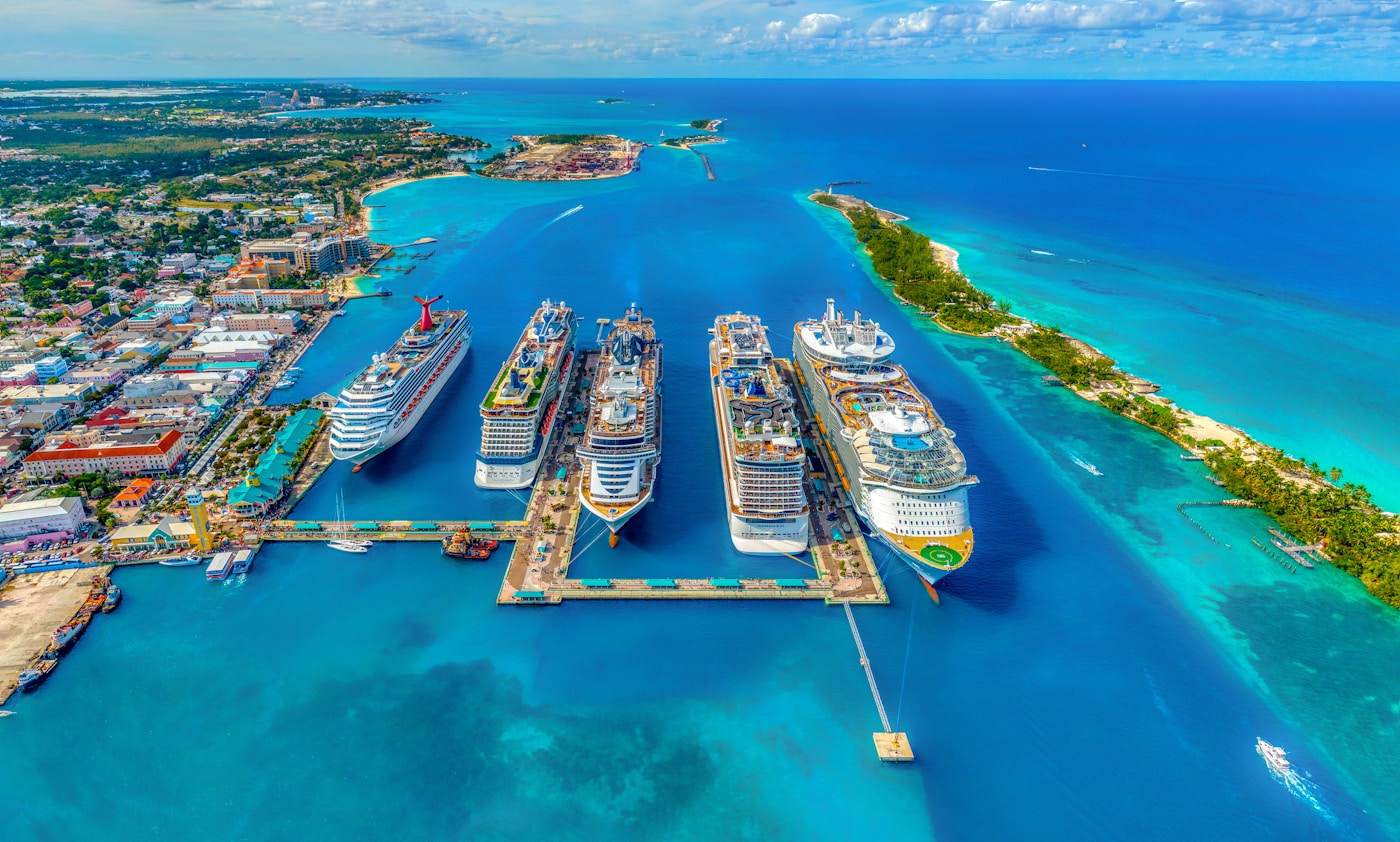
Planning cruise ship dining reservations can make or break the flow of your holiday. This UK-focused guide explains when to pre-book, what to leave flexible, how to use cruise apps, and the smartest ways to lock in speciality meals without over-scheduling.
Our speciality dining booking-timing guide compares reservation windows and onboard flexibility.
Cruise ship dining reservations can be the difference between a smooth, relaxed holiday and a week of queuing or missing out on the venues you most want to try. For UK cruisers in 2026, the smart move is to secure high‑demand speciality restaurants early, keep your main dining flexible enough to suit port days and shows, and manage everything through your cruise line’s own planner or app. This guide explains how reservations typically work, how to balance certainty and spontaneity, and the money‑saving angles worth knowing before you sail.
What dining reservations actually cover
On a modern cruise, you’ll typically encounter three reservation scenarios: the main dining room (either a fixed seating time or a flexible option where you can reserve a time each night), included alternative venues that may or may not accept reservations, and speciality restaurants that almost always take bookings and often sell out on popular evenings. The exact mix varies by cruise line, ship, and itinerary, so treat any advice as a framework rather than a fixed rule and confirm on the line’s site before you book.
- Main dining room: Usually included in your fare. You may choose a fixed time (e.g., early or late) or a flexible system where you pick a time nightly or walk up. Royal Caribbean, for instance, publishes details of its flexible “My Time Dining” in its official FAQ, including how reservations work. Check your specific sailing for what’s offered.
- Included casual spots: Think buffets and cafés. These often don’t require reservations, though some ships run booking systems at busy times. Treat these as your back‑up for spontaneous meals.
- Speciality restaurants: These charge extra or are sold via dining packages on some lines. Spaces are limited and prime times can book out early. Celebrity Cruises, for example, lists dining packages on its official site—always review the current terms before paying for add‑ons in 2026.
The common thread: you’ll likely have the option to book in advance for the venues that matter most and to adjust the rest on board.
Why (and when) UK cruisers should reserve
Reservations give you predictability on busy nights, especially first sea day evenings, gala or formal nights, and final‑night celebratory dinners. If you’re travelling during school holidays from Southampton or flying to a marquee summer route, demand can spike further. That said, the charm of a cruise is being able to pivot when a port day runs long or when a must‑see show changes your plans. Our editorial view is to lock in only what would disappoint you most to miss—often one or two speciality meals and a preferred main dining pattern—and keep the rest flexible.
Because booking windows, queues and policies vary by line and sailing, the safest timing method is: plan your targets early, monitor your cruise line’s planner or app for when booking opens, and make your speciality selections as soon as your window appears. Then use the onboard app or reservations desk to tweak once you’re on the ship.
Fixed seating vs flexible dining: what it means for reservations
A fixed seating main dining setup gives you the same table and time each evening without re‑booking, making it easy for families and those who like routine. Flexible dining is closer to a restaurant reservation system ashore: you select a time slot nightly or for multiple nights, often via the line’s app. Royal Caribbean’s My Time Dining is a published example of flexible dining with the option to reserve—review the official FAQ for up‑to‑date details in 2026. If you’re unsure which to pick, see our explainer Fixed vs flexible cruise dining.
- Guarantees you a table at peak times you care about (first sea day, formal night, sea‑view sunset slots)
- Avoids queuing at the venue host stand on night one
- Helps you plan show times and childcare around a fixed dinner
- Lets groups secure adjacent or larger tables where the ship supports this
- Reduces the risk of missing limited‑capacity concepts on shorter sailings
Using official apps and planners (P&O example)
Most cruise lines now expect you to plan and manage reservations in their own pre‑cruise portal and onboard app. P&O Cruises, for example, references pre‑sailing planning in “My P&O” and on‑board management in “My Holiday” on its official website and help hub. If you’re sailing with P&O in 2026, check those official pages for how to pre‑book selected dining and how to manage or amend reservations once you’re on the ship. For other lines, the naming differs but the principle is similar: use the official tool first, then visit a reservations desk or venue host when needed.
P&O pre‑book vs onboard booking: how to think about it
P&O’s official dining page and help hub explain that you can plan before sailing in My P&O and then manage on board with My Holiday. Our editorial recommendation for P&O guests is to secure one to two speciality meals pre‑cruise if they’re important to you, then use My Holiday on day one to fill in gaps or adapt to show times and port timings. Always verify what can be reserved in advance for your specific ship and date on P&O’s website because availability and rules can change.
A practical planning timeline (without guessing dates)
Because booking windows vary by operator and even by sailing, here is a date‑free planning flow you can apply in 2026 without relying on guesswork:
- As soon as you book your cruise: Decide whether you prefer fixed or flexible main dining (where offered). List the top two speciality venues you’d be disappointed to miss.
- When your cruise line opens planning tools: Log into the official planner or app; check what’s reservable now. If dining packages are offered by your chosen line (e.g., Celebrity lists packages on its site), read the terms before purchasing.
- Weeks before sailing: Lock in only the highest‑priority speciality meals. Leave other nights unbooked to remain flexible around port timings and entertainment.
- Embarkation day: Open the ship’s app (e.g., P&O’s My Holiday) and review show times, kids’ club schedules, and port departure times. Add or adjust reservations to line everything up.
- Mid‑cruise: Reassess after your first port day. If you’re tired, swap a late speciality booking for a casual option. If a show time changes, tweak dining to suit. Visit the venue host or reservations desk if the app shows limited options.
- Final sea day: Confirm any last‑night plans early to avoid the rush.
<table><thead><tr><th>Traveller type</th><th>Pre‑cruise reservations</th><th>Onboard adjustments</th><th>Flex level</th><th>Rationale</th></tr></thead><tbody><tr><td>Families with children</td><td>Book 1 speciality early evening; choose fixed main dining if offered</td><td>Use app to move times around kids’ club and show schedules</td><td>Moderate</td><td>Predictability helps with bedtimes, but some wiggle room avoids overtired meltdowns</td></tr><tr><td>Couples celebrating</td><td>Pre‑book 1–2 romantic speciality dinners on sea days</td><td>Fine‑tune for sunset and entertainment once on board</td><td>Moderate</td><td>Key meals secured; rest stays spontaneous for spa or shows</td></tr><tr><td>Food‑focused travellers</td><td>Secure top speciality picks and any tasting/chef’s options if offered</td><td>Fill gaps with included venues at off‑peak times</td><td>Low</td><td>Priority is sampling variety; plan around venue capacity</td></tr><tr><td>Multi‑generational groups</td><td>Reserve group tables for key nights</td><td>Adjust for excursions and mobility needs via the app or desk</td><td>Low to Moderate</td><td>Larger parties are harder to seat without bookings</td></tr><tr><td>Solo travellers</td><td>Optional: pre‑book one speciality; otherwise use flexible main dining</td><td>Slide times to join hosted tables or shows</td><td>High</td><td>Single seats are easier to place; flexibility is a perk</td></tr><tr><td>Port‑intensive itineraries</td><td>Book sea‑day specialities only</td><td>Keep port nights open to suit late returns</td><td>High</td><td>Maximise time ashore; avoid clock‑watching</td></tr></tbody></table>
Speciality dining strategy without over‑scheduling
Speciality dining is where early reservations matter most. Start by choosing the experience you care about—cuisine style, ambience, sea views, or a celebratory feel—before you worry about times. Then pick sea days for these meals, when you’re least likely to be rushing back from excursions. If your cruise features gala or formal evenings, some guests enjoy pairing these with speciality dining for extra theatre; others prefer the main dining room’s set menus on those nights. Both approaches can be correct depending on your priorities. Avoid booking speciality venues back‑to‑back on the first two evenings, as you may be dealing with travel fatigue or luggage delivery windows.
- Choose fixed or flexible main dining (where available) based on your routine preference.
- Identify two “must‑do” speciality dinners and pencil them on sea days.
- Leave port‑intensive evenings unbooked. Use casual included options those nights.
- On day one, check show times and adjust reservations accordingly.
- Mid‑week, consider adding a third bookable meal if you’re enjoying the pace.
- Keep the final night adaptable in case you want a repeat of your favourite venue.
Managing changes, waitlists and host stands
Even on a full sailing, people change plans. If your preferred time isn’t available in the app, visit the venue host stand early in the day or shortly after opening; politely ask about cancellations or a waitlist. Hosts often know when “waves” of tables free up. If you’re willing to dine slightly earlier or later, you’ll expand your options. If your cruise line’s policy covers no‑shows or late arrivals, review it before your first booking and set a phone reminder to avoid losing your table. Because these rules vary by line and sailing, verify the details on the operator’s website or with guest services.
Co‑ordinating dining with shows and port days
Entertainment schedules can shift, and port days sometimes run late. The safest pattern is to place speciality dinners on sea days, then, for port days, target either a later included dining time or a casual option. On show nights you care about, book dining at least a comfortable margin before curtain time. If your ship’s app allows, set notifications for schedule changes. When in doubt, choose the earlier dining slot—you can linger at a bar or stroll the promenade rather than rush dessert.
Families: setting a kid‑friendly rhythm
If you’re sailing with children, consider early seatings or earlier flexible time slots to align with bedtimes. Many families appreciate the predictability of a fixed main dining assignment where offered, while still booking a single speciality night as a treat. On embarkation day, check kids’ club times in the app before finalising dinner reservations. Bring a simple activity for the table if your child gets restless, and keep at least one evening completely flexible so you can call it an early night after an active port day.
Dietary needs and accessibility: how reservations help
If you have dietary requirements or accessibility needs, reservations can provide continuity. Booking the same main dining time or communicating preferences via the app or guest services can reduce friction. For speciality venues, use pre‑cruise planners to note requirements where the system allows, and, where necessary, phone the cruise line or speak to onboard staff on day one. Menus and accommodations vary by line and venue, so always confirm what’s possible with the operator in advance of your 2026 sailing and again at the restaurant host stand.
Dress codes, pacing and the feel of the evening
Consider the tone you want: leisurely multi‑course dinners or shorter, earlier meals to make the show. If a formal or gala evening is part of your itinerary, think about whether you want to experience that in the main dining room or in a speciality venue. There is no universal right answer; only what fits your holiday style. Reservations are your tool for shaping the atmosphere and pace of your nights.
Money‑saving reservation tactics (no guesswork required)
You don’t need a sale to be strategic. These approaches can stretch your dining budget without relying on unverified pricing claims:
- Book just one or two speciality meals and use included options for the rest.
- If your line offers dining packages (e.g., Celebrity lists them officially), read the terms carefully and calculate whether you’d genuinely use all elements.
- Look at lunchtime availability on sea days; when offered on your ship, mid‑day reservations can be quieter and sometimes differently priced—always verify onboard.
- Share appetisers among your table in included venues to sample more without an extra spend.
- Avoid double‑booking dinner and shows that overlap; last‑minute cancellations can forfeit value depending on the line’s policy.
- Prioritise experiences that are unique to your ship; use included venues for familiar cuisines.
- Reserve only your top two dinners before you sail
- Use the app to hold a back‑up time and release it if plans change
- Choose earlier or later time slots to dodge peak demand
- On port‑heavy itineraries, focus reservations on sea days only
- Revisit plans after your first port day to match your energy level
Common pitfalls to avoid
- Over‑scheduling every night. You’ll likely want spontaneity after a long shore day.
- Ignoring the app on embarkation day. It’s the single best moment to align shows, kids’ activities and dinner.
- Assuming walk‑up availability for speciality venues at peak times. Book early if it matters.
- Forgetting varying policies. Lines differ on no‑shows, grace periods and package use—always check official pages for your sailing.
- Booking unfamiliar venues back‑to‑back. Try a mix of included and speciality early in the cruise to find your rhythm.
A planning example for a 7‑night Med cruise
Here’s an editorial example you can adapt. Do not treat this as a template for any specific line—always check your ship’s app and official pages in 2026.
- Night 1 (embarkation): Flexible included dining slightly earlier than usual; early to bed if you’ve travelled.
- Night 2 (sea day): First speciality dinner around sunset. Check show times before finalising.
- Night 3 (port): Keep it unbooked; grab an included option when you’re ready.
- Night 4 (port or gala): If gala/formal is scheduled and you enjoy it, dine in the main dining room; otherwise leave open for a casual evening.
- Night 5 (sea day): Second speciality dinner. Add dessert stroll.
- Night 6 (port): Flexible included venue; consider a later slot if you’re ashore late.
- Night 7 (final): Decide on the day—repeat a favourite or stay casual depending on energy.
Adapting the plan for British Isles or Canaries routes
Sailings closer to home can have mixed sea/port days and brisker evenings on deck. Keep speciality meals on certain sea days and be prepared to shift times if weather nudges outdoor plans indoors. Because the atmosphere differs by itinerary and ship, use the app daily to stay in tune with what’s popular.
If you’re considering dining packages
Packages can suit travellers who know they’ll dine in several speciality venues and want to plan around those meals. Celebrity Cruises publishes dining packages on its website; review inclusions and reservation mechanics there before buying. If you prefer freedom to decide on the day, you may prefer paying per meal when you’re certain you’ll go. For broader pros and cons, see Is cruise ship speciality dining worth it?.
Fixed vs flexible main dining: choosing for 2026
Fixed dining suits travellers who like a set routine, consistent tablemates and a predictable bedtime—especially helpful with children. Flexible systems suit those who want to plan around shows, spa bookings and port days. Royal Caribbean’s official FAQ for My Time Dining explains one model of flexible dining, including the concept of making reservations; always read the current guidance for your exact ship and date. For a deeper dive on the trade‑offs, read Fixed vs flexible cruise dining.
<table><thead><tr><th>Feature</th><th>Fixed seating</th><th>Flexible dining</th></tr></thead><tbody><tr><td>Consistency</td><td>Same time/table each night</td><td>Choose times nightly or for multiple nights</td></tr><tr><td>Reservation effort</td><td>Low after initial selection</td><td>Moderate—use app or host stand</td></tr><tr><td>Show coordination</td><td>May need to pick show around dinner</td><td>Pick dinner around shows</td></tr><tr><td>Group logistics</td><td>Reliable for families/groups</td><td>Can work for groups if booked early</td></tr><tr><td>Spontaneity</td><td>Lower</td><td>Higher</td></tr></tbody></table>
Co‑ordinating dining with other bookings
Before finalising dinner times, look at everything else that could create a time crunch—spa or thermal suite sessions, fitness classes, nursery or kids’ club timings, sail‑away events, and any ticketed shows. Add calendar reminders in your phone as a back‑up to the ship’s app notifications. If you plan a late spa appointment, consider a later dinner to avoid cutting relaxation short.
Groups and multi‑generational travel
With four or more people, reservations pay off even in included venues that accept them. Decide who will be the “lead booker,” agree your earliest/latest acceptable times, and select sea days for any speciality dinners. If mobility or accessibility is a factor, note this in the app where possible and reconfirm with the host on day one. Group tables are easier to secure earlier in the day rather than five minutes before service.
Solo travellers and sociable dining
Solo cruisers can lean into flexible dining and venue bar seating to stay spontaneous and meet fellow guests. If you’d like at least one celebratory meal, pre‑book a speciality night you’re excited about. Otherwise, keep your schedule light and let your day dictate dinner. If your line offers hosted tables in the main dining room, ask the host stand about them on day one.
Where to get help if the app isn’t cooperating
If the planner or app is unresponsive, try these in order: refresh or reinstall, visit the venue host stand during non‑service hours, check for a central dining reservations desk, and ask guest services. Screenshots of error messages help staff understand what you were trying to book. Policies vary, so staff will guide you to the ship’s current process.
How this fits with broader dining choices
Reservations are a tool, not the goal. If you’re still weighing up which venues deserve a booking, start with our overview Cruise ship dining guide. P&O guests can also read our dedicated advice in P&O Cruises dining guide 2026 and our practical checklist in P&O dining reservations. Combine that context with the official cruise line pages listed below to shape your 2026 plan.
Final pre‑sailing checklist for reservations
- Decide fixed vs flexible main dining (if your line offers a choice)
- List your top one or two speciality experiences
- Log into the official planner/app and see what’s open
- Book priority speciality meals; leave room for flexibility
- Revisit on embarkation day to align with shows and port times
- Set reminders for your reservations and note any cancellation rules
- Check official pages again before you sail for any policy updates
Sources and verification (official pages)
Before finalising any plans or purchases for 2026, verify policies, inclusions and reservation windows on these official pages:
- P&O Cruises dining overview (My P&O / My Holiday referenced): https://www.pocruises.com/onboard-activities/cruise-dining
- P&O Cruises pre‑book dining help hub: https://www.pocruises.com/help-hub/centre/life-on-board/food-and-drink/pre-book-dining
- Celebrity Cruises dining packages: https://www.celebritycruises.com/things-to-do-onboard/onboard-packages/dining-packages
- Royal Caribbean My Time Dining FAQ: https://www.royalcaribbean.com/faq/topics/my-time-dining
read what Cunard includes in the fare provide the next decision detail for this topic.
Frequently Asked Questions
Do I need dining reservations on a cruise?
You don’t need them for every meal, but they are valuable for speciality venues and busy peak times. Our editorial view is to reserve the restaurants you would be disappointed to miss and keep the rest flexible. Always check your line’s official site for what can be booked in advance on your sailing.
When should I make cruise dining reservations in 2026?
As soon as your cruise line opens its planner or app for your sailing. Booking windows vary, so monitor the official site or app, reserve the most important speciality meals first, and finalise the rest on embarkation day when you can see show times and port details.
How do I make P&O Cruises dining reservations?
P&O references planning before you sail in “My P&O” and managing dining on board with “My Holiday” on its official pages. Check those pages for what can be pre‑booked on your specific ship and date, then use My Holiday on embarkation day to adjust times to suit shows and port timings.
Are dining packages worth it on Celebrity Cruises?
They can be if you know you’ll eat in several speciality restaurants. Celebrity publishes current dining packages on its website; read the inclusions and reservation process for your exact sailing in 2026 before you buy. If you prefer spontaneity, paying per meal may suit you better.
Can I reserve flexible main dining times?
On many ships with flexible dining systems you can reserve time slots via the app or planner. Royal Caribbean explains its flexible “My Time Dining” model in its official FAQ. As practices vary by line and ship, confirm the process for your sailing on the operator’s website.
What if my preferred dining time is unavailable?
Check again on embarkation day, try earlier or later slots, and visit the venue host stand during non‑service hours to ask about cancellations or waitlists. Availability changes as guests adjust plans. If your line has a no‑show policy or grace period, understand it to avoid losing a booking.
Should I book speciality restaurants on sea days or port days?
Sea days are usually safer for speciality dining because you’re not racing back from excursions. Keep port nights open or pick later included dining times to stay relaxed. If you do book on a port day, allow a generous cushion in case timings slip.
How do I coordinate dinner with shows and kids’ clubs?
On embarkation day, open the app, check entertainment and kids’ club schedules, then align dining to fit. Earlier dinners leave more margin for changes. If new show times appear mid‑cruise, adjust a reservation as soon as you see the update.
Can groups reserve large tables?
Usually, yes, but the process and capacity vary by line and venue. Appoint a lead booker, agree acceptable times, and reserve early for key nights. For speciality venues, check the ship’s policy on group tables and reconfirm with the host on day one.
What’s the best way to avoid over‑scheduling?
Reserve only your top two dinners before sailing, leave port nights open, and revisit your plan after the first port day. Use the app to make small changes rather than locking in every evening weeks in advance.
Related articles
- Single-Cabin Cruises From Southampton: UK Solo Options Compared
- Satellite internet for cruise ships: UK cruisers’ guide
- Fixed vs flexible cruise dining: UK guide and tips 2026
- Accessible Cruise Cabin Guide for UK Travellers 2026
- Connecting cruise cabins for families: the UK guide
- Cruise Cabin Layout Guide: Read Deck Plans (UK)