Home › Articles › Destinations
British Isles Cruises from UK 2026: Complete Guide
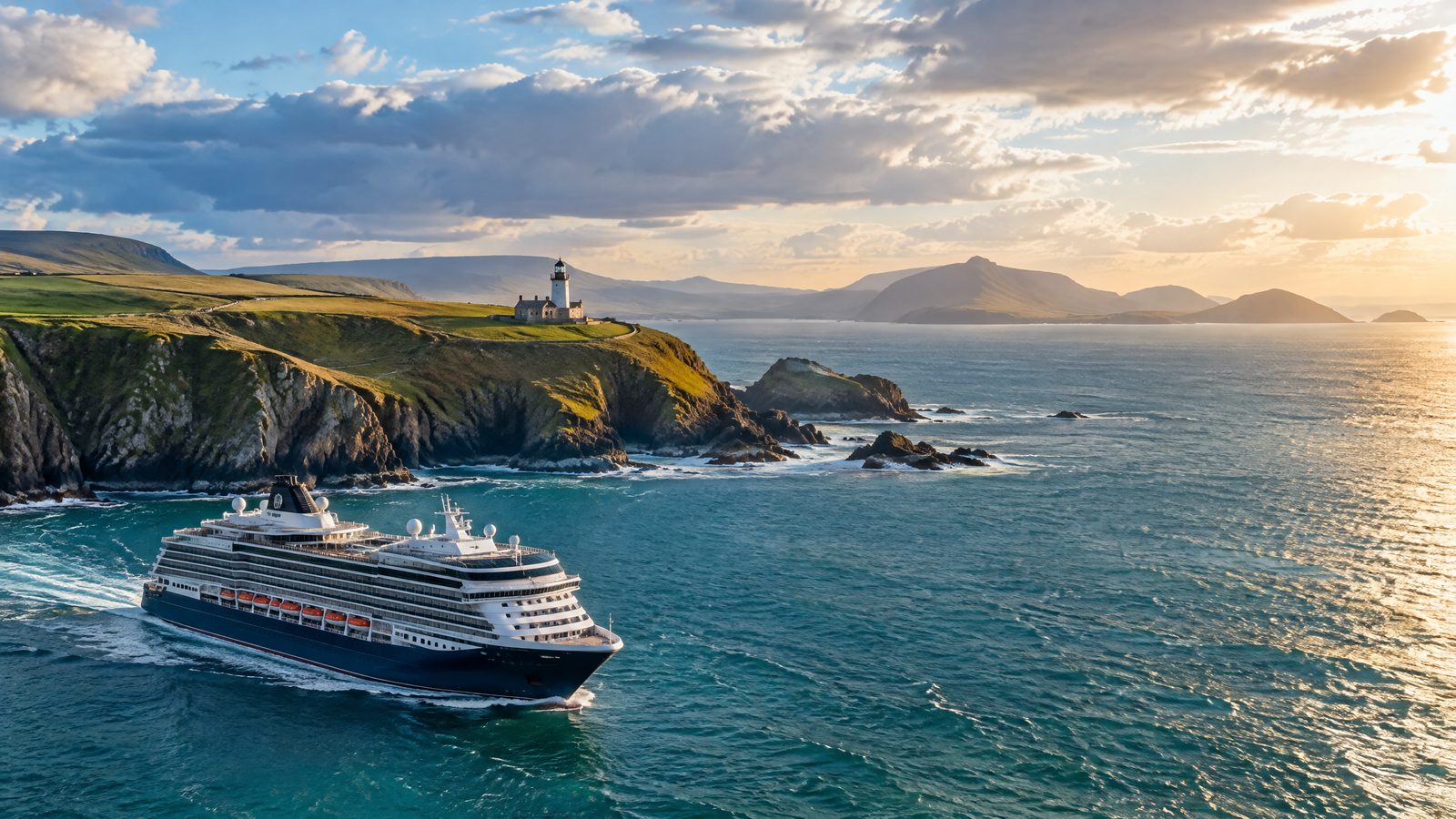
Thinking about a British Isles cruise from the UK in 2026? Here’s a clear, UK-focused guide to lines, ports, seasons, itineraries and how to pick the right ship, plus practical and money‑saving tips.
Planning British Isles cruises from UK 2026? You’re not alone. Sailings around England, Scotland, Wales, Ireland and the Channel Islands have grown into a smart, no‑fly option for culture, wildlife and coastlines on your doorstep. This guide compares who sails where, when to go in 2026, how itineraries differ, and the practicalities that matter to UK travellers—so you can match the right ship and route to your priorities and budget.
What counts as a British Isles cruise in 2026?
A British Isles itinerary typically circles some or all of Great Britain and Ireland, often including Scotland’s islands (Orkney, Shetland, Hebrides), Irish ports (Dublin or Cobh for Cork), Northern Ireland (Belfast), Wales (Holyhead), England (Liverpool, Falmouth, Portland, Dover or Tilbury), the Channel Islands (St Peter Port, Guernsey) and sometimes the Isles of Scilly. Some voyages focus on either the Celtic fringe or Scotland’s islands rather than a full circumnavigation. Tender‑only stops like St Peter Port or St Mary’s (Isles of Scilly) are weather‑dependent; schedules can change at short notice, especially in spring and autumn. For 2026, expect a mix of 7–14‑night sailings, with a handful of longer routes that add France or the Faroe Islands. Names like “British Isles”, “Round Britain”, “UK & Ireland”, or “Scotland & Ireland” are used interchangeably—check the actual port list, not just the title.
Who offers British Isles cruises from UK ports in 2026?
You should find UK‑friendly options in 2026 from:
- P&O Cruises – No‑fly round‑Britain sailings with big‑ship amenities and familiar British touches. Good for families and multi‑gen groups.
- Cunard – Elegant, more formal voyages with refined service and enrichment; occasional British Isles routes from Southampton.
- Princess Cruises – Port‑rich itineraries with strong destination programming and MedallionClass tech; typically ex‑Southampton.
- Fred. Olsen Cruise Lines – Smaller ships visiting narrower harbours and lesser‑known islands; popular with travellers who value destination depth.
- Marella Cruises (TUI) – Fly‑free ex‑UK seasons are common; relaxed, largely inclusive feel that suits families and first‑timers.
- Ambassador Cruise Line – Adult‑focused (with occasional multigenerational dates) ex‑Tilbury and regional departures; value‑minded.
- MSC Cruises – Select UK & Ireland itineraries from Southampton on large resort ships; check 2026 schedules.
Other premium and small‑ship brands schedule occasional British Isles voyages (subject to 2026 deployment). Always confirm up‑to‑date 2026 sailings, embarkation ports and inclusions directly with each cruise line before committing.
- Southampton: the widest choice and the easiest for parking and rail links
- Liverpool: handy for North West and North Wales; often features Ireland and Scotland combos
- Tilbury/London and Dover: South East access; occasional Ambassador, MSC and others
- Newcastle (North Shields) and Rosyth (Edinburgh): gateways to northern itineraries and Scotland
- Greenock (Glasgow) and Belfast: regional departures on select lines and dates
- Portsmouth: occasional departures on certain lines
Availability varies by cruise line and exact 2026 schedule; verify your preferred port on the operator’s website.
When to sail the British Isles in 2026
British Isles seasons generally run from late April to September. In 2026, look at:
- Late April–May: Fresh spring landscapes, seabird colonies in full swing, and shoulder‑season fares. Weather is changeable; layers are essential.
- June–July: Long daylight hours in Scotland, lively festivals, warmer air temperatures. Popular with families, so lines may operate more family‑oriented programmes.
- August: Peak holidays; ports are busy and tender queues can stretch. Good for school schedules, but be flexible on timings ashore.
- September: Often a sweet spot—sea temperatures still relatively mild, crowds easing, harvest season in many regions.
Sea conditions can be lively at any time; the North Atlantic and Irish Sea don’t always play by the calendar. If you’re sensitive to motion, favour mid‑to‑late summer and larger or more modern stabilised ships. As deployment can change, confirm your chosen 2026 dates and ports directly with the cruise line before booking.
Itineraries and durations you’ll see in 2026
Expect these patterns when you browse 2026 sailings:
- 7–9 nights: England, Ireland and Wales focus—often Southampton or Liverpool roundtrips with Dublin or Cobh, Holyhead or Fishguard, and a South Coast stop such as Falmouth or Portland.
- 10–12 nights: Adds Scotland (Invergordon for Inverness, Kirkwall, or Lerwick) and the Channel Islands; more sea days and wider variety.
- 13–14 nights: Full circumnavigation with multiple Scottish isles plus Ireland and the South West; sometimes a French stop (Cherbourg, Honfleur, Le Havre) is included.
- Scotland & islands specialists: Concentrates on Orkney, Shetland, Hebrides and west‑coast sea lochs; smaller ships call at Stornoway, Tobermory or Portree (tender‑dependent).
Even within the same length, port sequences vary. If a specific site—like the Giant’s Causeway or Skara Brae—is a must, choose an itinerary offering ample time in the nearest gateway (Belfast or Kirkwall) and scrutinise docking versus tendering. Verify final 2026 call lists and arrival windows before placing a deposit.
<table><thead><tr><th>Traveller type</th><th>Good 2026 fit</th><th>Why/notes (verify details with line)</th></tr></thead><tbody><tr><td>Families & multi‑gen</td><td>P&O, Marella, MSC</td><td>Family cabins, kids’ clubs and familiar dining; school holiday dates. Check kids’ club age rules and babysitting availability.</td></tr><tr><td>Couples seeking elegance</td><td>Cunard, Princess</td><td>More formal evenings, enrichment, string quartets and refined service. Review dress codes and formal night patterns for 2026 sailings.</td></tr><tr><td>Destination depth & smaller harbours</td><td>Fred. Olsen</td><td>Smaller ships reaching ports larger vessels miss; strong enrichment. Check tender notes and port accessibility.</td></tr><tr><td>Value no‑fly from the South East</td><td>Ambassador (Tilbury)</td><td>Adult‑focused feel with occasional multigenerational dates. Verify what’s included (shuttle buses, gratuities) on 2026 departures.</td></tr><tr><td>Motion‑sensitive travellers</td><td>Newer, larger ships; mid‑summer</td><td>More advanced stabilisers and typically calmer weeks. Choose mid‑ship, lower decks if possible.</td></tr><tr><td>Solo travellers</td><td>Fred. Olsen, P&O (check solo cabins)</td><td>Occasional solo staterooms and hosted solo meet‑ups. Confirm solo supplements and cabin categories in 2026.</td></tr><tr><td>Wildlife & photography</td><td>Scotland & islands routes (various lines)</td><td>Orkney, Shetland and Hebrides for seabirds, puffins (in season) and dramatic light. Bring wet‑weather gear.</td></tr><tr><td>Short break tasters</td><td>Mini‑cruises (various lines)</td><td>Occasional 3–5 night samplers include a Channel Islands call. Great for first‑timers; tender weather can affect plans.</td></tr></tbody></table>
Departure ports explained: convenience vs choice
Southampton remains the most versatile hub, with frequent sailings, multiple terminals and robust train and parking options. If you’re in the North or Scotland, Liverpool, Newcastle or Rosyth can slash travel time, but you’ll have fewer 2026 sailings to choose from. Tilbury appeals to the South East, with straightforward road access from Essex and East London. Belfast and Greenock may appear as embarkation points for select lines; these are great if you’re local but involve a domestic flight or long rail journey for many. Our editorial view: decide whether a shorter drive outweighs a potentially narrower choice of ships and dates, then filter itineraries accordingly.
Southampton in 2026
Pros: broadest choice of lines, efficient terminals, plentiful hotels near the port, good rail connections, and parking packages. Cons: M27/M3 congestion and hotel rates rising around peak summer weekends. Tip: if you’re travelling by train, aim for an arrival the day before; it reduces stress if networks are disrupted. If you need more on the mechanics of no‑fly planning, see our UK‑focused guide No‑fly cruises from the UK.
Liverpool and the North in 2026
Liverpool’s waterfront terminal offers a scenic sail‑away and convenient access for North West travellers. You’ll often find Ireland‑plus‑Scotland routings here. Newcastle (North Shields) sometimes hosts British Isles calls or turnarounds, handy for North East guests. Pros: easier access for many northern travellers, memorable Mersey departures. Cons: fewer ships and dates than Southampton; check embarkation procedures and luggage drop logistics on your chosen line’s 2026 documentation a week before sailing.
Scotland and Belfast departures in 2026
Rosyth (for Edinburgh) and Greenock (for Glasgow) can appear as turnaround ports for certain lines, especially on Scotland‑heavy itineraries. Belfast also features regionally. These are gold for locals and for travellers who want to pair a land stay in Scotland or Northern Ireland with their cruise. However, frequency is limited; aim to be flexible on dates and verify the terminal and check‑in times for your 2026 voyage on the official page before setting any connecting trains or hotels in stone.
Key ports and what to expect ashore
Time ashore is usually 6–10 hours, but it varies by port and tide windows. Many calls use shuttle buses to reach city centres; sometimes these are complimentary, sometimes charged. Confirm shuttle details with your line close to departure. Here’s how the main regions typically stack up in 2026:
Scotland highlights
- Invergordon (for Inverness): Gateway to Loch Ness, Culloden Battlefield and Speyside whisky country. DIY is possible via local tours or car hire; ship excursions save time on tight calls.
- Kirkwall (Orkney): Skara Brae, the Ring of Brodgar and Italian Chapel are the classic trio. Distances are moderate; a small‑group tour maximises sights.
- Lerwick (Shetland): Wildlife, textiles and brochs. Often tendered; bring a waterproof layer and flexible plans.
- Stornoway (Isle of Lewis) or Portree (Skye): Hebridean scenery and standing stones; many sights require road time. Local guides shine here.
Expect wind and fast‑changing weather. Photographers should bring microfiber cloths and lens hoods.
Ireland and Northern Ireland highlights
- Dublin: Trinity College, Georgian squares and coastal walks at Howth. City is highly DIY‑friendly using public transport or on foot.
- Cobh (for Cork): Titanic heritage, Blarney Castle and West Cork food. Trains run from Cobh to Cork; ship tours help if you’re heading to Blarney at peak times.
- Belfast: Titanic Belfast, Black Cab political history tours and the Giant’s Causeway (longer drive). Book Causeway trips early in peak months.
Ireland uses the euro; cards are widely accepted. Factor in traffic at rush hours when planning DIY returns.
England and Wales highlights
- Liverpool: The Beatles Story, maritime history and the waterfront. Walkable centre and excellent museums.
- Falmouth: Cornwall’s beaches, St Mawes by ferry, or gardens like Trebah. Summer traffic can be heavy on narrow lanes.
- Portland (for Dorset): Jurassic Coast, Durdle Door and Corfe Castle. Many sights are a drive away; consider a ship tour if time is tight.
- Holyhead (Anglesey): Coastal paths and castles; watch for wind affecting tender operations.
If you prefer a slower day, enjoy local markets and harbours within easy reach to avoid long coach rides.
Channel Islands and Isles of Scilly
- St Peter Port (Guernsey): Tender‑only; lovely town walks, Castle Cornet and coastal viewpoints. Crowded mid‑summer—start early.
- St Mary’s (Isles of Scilly): Garden lovers and walkers adore Tresco Abbey Garden (boat transfer from St Mary’s). Tender and sea swells can affect access even on sunny days.
Build in a Plan B (local walks or cafes) if longer excursions risk being tight against the last tender.
Ship tours vs DIY in 2026: which should you choose?
Ship‑run excursions are convenient, particularly where travel times to major sights are long (e.g., Giant’s Causeway from Belfast, Blarney Castle from Cobh) or where tendering compresses your day. They also carry the reassurance that the ship will wait or arrange transport if a tour returns late. DIY can be rewarding and better value in compact cities like Dublin, Liverpool and Kirkwall. For remote sites and islands, a vetted local guide can hit the sweet spot between depth and cost. Our practical approach: pick 1–2 big‑ticket days for ship tours in 2026 (where timing matters most), and DIY in walkable ports or where public transport is efficient. Always confirm 2026 tour cut‑off times and cancellation terms with your line before purchase.
- Sail shoulder season (late April–May or September 2026) for wider cabin choice and often keener pricing
- Consider inside or oceanview cabins on port‑heavy routes; you’ll be ashore most days
- Look at guarantee cabins if you’re flexible on exact location (understand the risks of noise and position)
- Weigh up parking packages vs rail and hotel bundles; sometimes a day‑before rail + simple hotel wins
- Skip drinks packages if you mostly want tea, coffee and the occasional tipple—use our guide P&O drinks packages explained to sense‑check your maths
- DIY in compact ports; pre‑book top sights directly to avoid walk‑up queues
- Bring layers and a lightweight waterproof to avoid impulse buys onboard
- Use your phone network’s UK roaming and consider Wi‑Fi lite packages only if you must stay connected
- Loyalty points and shareholder benefits (where applicable) can add onboard credit—verify eligibility for 2026 before booking
Onboard experience differences to weigh in 2026
Dining: Big‑ship lines typically blend included main dining rooms and buffets with optional specialty venues; smaller ships skew toward classic dining rooms with regional touches. Dress codes: Cunard and some Princess voyages keep formal nights; P&O leans smart casual with optional formal evenings. Relaxed lines like Marella go easier on dress codes. Entertainment: Expect production shows and guest performers on larger ships; smaller ships focus on talks and destination experts. Families: Kids’ clubs and family pools are key on P&O, Marella and MSC; check age policies and opening hours for 2026 sailings in school holidays. Our editorial assessment: choose the atmosphere first (formal vs relaxed, big resort vs intimate ship), then shortlist itineraries—there’s usually overlap in routes, but onboard style is harder to change.
Drinks, Wi‑Fi and extras: do you need the package?
In the British Isles, port days outnumber lazy sea days on many itineraries. If you’re ashore most of the time, all‑inclusive bundles can be underused. Tea, coffee and water stations handle many people’s day‑to‑day needs. If you enjoy specialty coffees, premium soft drinks or multiple alcoholic drinks daily, a package may still be worthwhile—run your own numbers against likely sea‑day usage and 2026 bar menus. Wi‑Fi packages vary by speed tier; coastal signals are patchy, so rely on offline maps and ship Wi‑Fi only when needed. For an at‑a‑glance approach, see our guides P&O drinks packages explained and How to choose the right cabin to balance comfort and cost. Verify inclusions and any gratuity or service charges on 2026 sailings on the line’s official website before buying extras.
Packing and weather prep for 2026
Think layers. A lightweight waterproof shell, warm mid‑layer, breathable base and comfortable walking shoes cover most conditions. Add a compact umbrella, hat, gloves (for wind on exposed decks) and sunscreen (UV can be strong even when cool). Bring a dry bag or zip pouches for cameras and phones on tender rides. Electricals: UK sockets are standard on many UK‑market ships, but not all—pack a UK and a European adaptor just in case, and a small multi‑USB charger. For formal or gala nights (notably on Cunard or some Princess journeys), smart attire elevates the evening; confirm 2026 dress guidance on the line’s site. If you’re prone to motion sickness, discuss medication with a pharmacist before sailing and choose a mid‑ship, lower‑deck cabin where possible—our piece How to choose the right cabin outlines location trade‑offs.
Families and multigenerational groups in 2026
British Isles itineraries suit families who want easier logistics and familiar food, with plenty of learning moments in port. P&O and Marella are strong all‑rounders for school‑holiday dates, while MSC offers big‑ship features that children love. Look for port days with walkable sights or short transfers to avoid restlessness. Check 2026 kids’ club opening hours (especially on port days), minimum ages for splash areas, and family cabin configurations before you book. For a relaxed dress code and straightforward budgeting, Marella’s largely‑inclusive approach may appeal; if you prefer a more traditional British cruise feel with gala nights optional, P&O is a steady pick. Balance the calendar with weather: July brings long Scottish daylight, while September can offer calmer queues ashore if your school allows term‑time travel.
Couples, solos and accessibility considerations
Couples seeking a sense of occasion often shortlist Cunard or Princess for British Isles voyages in 2026—expect refined service, classic afternoon teas and enrichment talks. Solos should compare lines that offer hosted meet‑ups and solo cabins on select ships (Fred. Olsen and some P&O ships) and verify 2026 solo supplements early. Accessibility varies by port; tendered harbours can be challenging, and some historic sites involve cobbles and steps. Contact your line’s accessibility team before booking to discuss tender policies and accessible tour options for your specific 2026 sailing. If mobility is a concern, prioritise itineraries with more docked ports and ensure sufficient time buffers for returning to the ship from independent excursions.
Seas, ship size and sea‑day comfort
Around Britain, you’ll encounter the English Channel, Celtic Sea, Irish Sea and sometimes the North Sea—any can be choppy. Larger or newer ships tend to have more advanced stabilisers and a wider choice of indoor spaces when weather keeps you inside. Smaller ships (like Fred. Olsen’s) reach niche ports and offer a convivial atmosphere but may feel livelier at sea. If motion worries you in 2026, favour mid‑summer sailings, pick a mid‑ship, low‑deck cabin and plan restful, low‑commitment activities on sea days. Avoid spa or specialty dining bookings at times the ship is likely to encounter head seas; your daily programme and captain’s noon updates can be a useful guide.
- Verify your exact 2026 itinerary, port times and tender notes on the cruise line’s official website
- Check ID requirements; UK sailings can still require a passport depending on ports visited (e.g., Ireland, Channel Islands)
- Arrange travel insurance with cruise cover; see our guide Cruise travel insurance for UK travellers
- Pre‑book must‑do tours (Giant’s Causeway, Skara Brae) and time‑entry attractions
- Decide on drinks/Wi‑Fi packages using your own usage estimates
- Print or download e‑tickets, luggage tags and boarding times
- Pack layers, waterproofs and comfortable shoes; add motion‑sickness remedies if needed
- Plan transfers and hotels with buffers for rail/road disruption
- Let your bank know you’ll be in Ireland if your itinerary includes Dublin or Cobh
Reading the small print in 2026
Policies around gratuities, shuttle buses, daily service charges and formal nights differ by line and can change. If a fact can vary, treat marketing summaries as a starting point only. Before putting down a deposit, read the 2026 fare terms, what’s included and excluded, cancellation conditions, medical requirements, and accessibility details on the official cruise line page for your exact sailing. If you’re comparing offers, note whether onboard credit is non‑refundable, whether drinks packages include service charges, and whether Wi‑Fi is for one device or multiple. Keep screenshots or PDFs of your chosen package inclusions at booking time.
Our editorial picks: how to choose the right 2026 sailing
Based on onboard style and typical itineraries, here’s how we’d shortlist for 2026—then verify specifics on the line’s site before booking:
- First British Isles cruise, no‑fly, want easy family fun: P&O or Marella round‑Britain in late May or early September for softer crowds and decent daylight.
- Couples’ culture fix with a sense of occasion: Cunard or Princess 10–12 nights including Scotland and Ireland, ideally June–July for long evenings.
- Off‑the‑beaten‑path ports and enrichment: Fred. Olsen routes focusing on Orkney, Shetland and Hebrides, where smaller ships shine.
- South East convenience and value: Ambassador ex‑Tilbury with Ireland plus Channel Islands; pick mid‑summer if you’re motion‑sensitive.
- Wildlife and photography: Itineraries with Orkney and Shetland in late spring or early summer for seabird colonies.
For more help narrowing down ships and cabin locations, see How to choose the right cabin and our UK‑centric piece No‑fly cruises from the UK.
Sources and verification
Before you book a 2026 British Isles cruise, verify itineraries, dates, embarkation ports, what’s included, gratuities, dress codes, and accessibility with your chosen cruise line. Useful official pages include:
- P&O Cruises – Destinations and UK & Ireland itineraries: https://www.pocruises.com/
- Cunard – Destinations (British Isles/UK & Ireland): https://www.cunard.com/
- Princess Cruises UK – British Isles sailings: https://www.princess.com/
- Fred. Olsen Cruise Lines – Destinations (UK & Ireland): https://www.fredolsencruises.com/
- Marella Cruises (TUI UK) – Destinations and UK sailings: https://www.tui.co.uk/cruise/
- Ambassador Cruise Line – UK & Ireland cruises: https://www.ambassadorcruiseline.com/
- MSC Cruises UK – British Isles and Northern Europe: https://www.msccruises.co.uk/
If a policy or inclusion could change between now and your 2026 departure, rely on the cruise line’s latest official documentation and booking conditions for final confirmation.
Compare route depth with our British Isles itinerary guide, then review convenient regional options in the Liverpool departures guide and Newcastle departures guide. Before booking, use the cabin-choice guide, UK cruise packing list, and cruise travel-insurance guide.
Frequently Asked Questions
Are British Isles cruises in 2026 usually no‑fly from the UK?
Yes, many itineraries embark in UK ports such as Southampton, Liverpool, Tilbury, Newcastle or Rosyth. Some lines also offer regional departures on select dates. Always verify your preferred 2026 sailing’s embarkation port and check‑in times on the line’s official site before booking transport.
What’s the best month in 2026 for calmer seas around Britain and Ireland?
Conditions vary, but mid‑summer (June–July) tends to be more settled, while late April–May and September are attractive shoulder seasons with fewer crowds. If you’re motion‑sensitive, choose larger or newer ships, pick a mid‑ship, lower‑deck cabin and avoid high‑exposure itineraries when possible.
Do British Isles cruises include Ireland in 2026?
Often, yes. Many routes call at Dublin or Cobh (for Cork) and Belfast in Northern Ireland. Check the exact port list—some “Scotland & islands” itineraries may skip Ireland, while others include both Irish and Scottish calls.
Will tender ports like St Peter Port be cancelled frequently?
They can be impacted by sea swell and wind at any time of year. Lines cancel or alter calls if tendering is unsafe. If a tendered stop is important to you, consider an itinerary with multiple tender‑capable alternatives or accept that flexibility is part of the experience.
Which cruise lines are best for families on British Isles routes in 2026?
P&O and Marella are strong for UK families, with kids’ clubs and family‑friendly dining. MSC offers big‑ship features children enjoy. Check 2026 kids’ club age rules, opening times (especially on port days) and family cabin options before booking.
Is a drinks package worth it on a British Isles itinerary?
If you spend most days ashore, you may not use an all‑inclusive package enough to justify it. Add up your likely sea‑day and evening drinks, compare with the package cost (including any service charge) and decide accordingly. Tea, coffee and water stations cover many people’s needs.
Can I tour ports independently on a British Isles cruise?
Yes—many ports are DIY‑friendly, especially Dublin, Liverpool and Kirkwall. For longer transfers (e.g., Giant’s Causeway from Belfast, Blarney Castle from Cobh) or tight calls, ship tours are convenient and carry late‑return protection. Factor in tender operations and traffic when planning a DIY return.
What documents do I need for a 2026 British Isles sailing?
Requirements vary by line and itinerary. Even for no‑fly UK cruises, a valid passport is commonly required if visiting Ireland or the Channel Islands. Confirm ID requirements, health policies and check‑in procedures for your exact 2026 sailing on the cruise line’s official website.
Which cabin location is best for potentially choppy seas?
Mid‑ship on a lower deck usually experiences less motion. If you’re sensitive to movement, avoid very forward or very aft cabins and consider a newer ship with advanced stabilisers. Our guide How to choose the right cabin explains the trade‑offs.
Related articles
- Ultimate Cruise Packing List 2026: Everything You Need to Bring
- P&O Cruises Drinks Packages 2026: Independent Review
- Best British Isles Cruise 2026: Top Itineraries UK Guide
- Cruise Travel Insurance UK Best 2026: Top Cover Picks
- How to choose the right cruise cabin in 2026
- Best cruises from Liverpool 2026: routes, ships & picks
- Best cruises from Newcastle 2026: our top picks